
India alone cannot walk the path of peace with Pakistan and the neighbouring country must walk away from terrorism if it wants bilateral dialogue to resume, prime minister Narendra Modi said on Tuesday (17), amid continued chill in Indo-Pak ties.
Referring to ties with China, the prime minister said it was not unnatural for two large neighbouring powers to have some differences but both sides should show sensitivity and respect for each other’s core concerns and interests.
He was speaking at the inaugural session of the three- day-long Raisina Dialogue, India’s flagship geo-political conference which is being attended by top foreign and security experts from across the world.
On ties with Pakistan, Modi said the path of peace has to be Pakistan’s journey as well and that India’s stand in delinking terrorism from religion, and rejecting artificial distinction between good and bad terrorism, are now a global talking point.
“My vision for our neighbourhood puts premium on peaceful and harmonious ties with entire South Asia. That vision had led me to invite leaders of all SAARC nations, including Pakistan, for my swearing in.
“For this vision, I had also travelled to Lahore. But, India alone cannot walk the path of peace. It also has to be Pakistan’s journey to make. Pakistan must walk away from terror if it wants to walk towards dialogue with India,” he said.
In a veiled reference to Pakistan, he said those “in our neighbourhood who support violence, perpetrate hatred, and export terror stand isolated and ignored.”
In his address, Modi gave a run down of India’s foreign policy priorities, security interests in the Indian Ocean and bilateral engagement with neighbouring countries, Gulf nations and major powers including the US, China and Russia.
On Sino-India ties, he said both the countries have an unprecedented economic opportunities and that they can compliment each other in their march forward.
“I see the rise of India & China as an unprecedented economic opportunity for our two countries, and for the whole world. At the same time, it is not unnatural for two large neighbouring powers to have some differences.
“In the management of our relationship, and for the peace and progress in the region, both our countries need to show sensitivity and respect for each other’s core concerns and interests,” he said.
Referring to India’s ties with the US, he said a certain amount of speed, substance and strength to the entire spectrum of economic, commercial and security engagements has been brought to the relationship through sustained engagement.
“Over the past two-and-half years, we have given a strong momentum to our engagement with US, Russia, Japan and other major global powers,” he said, delving on India’s external engagement and geo-strategic interests.
Modi said India’s economic and political rise represents a regional and global opportunity of great significance.






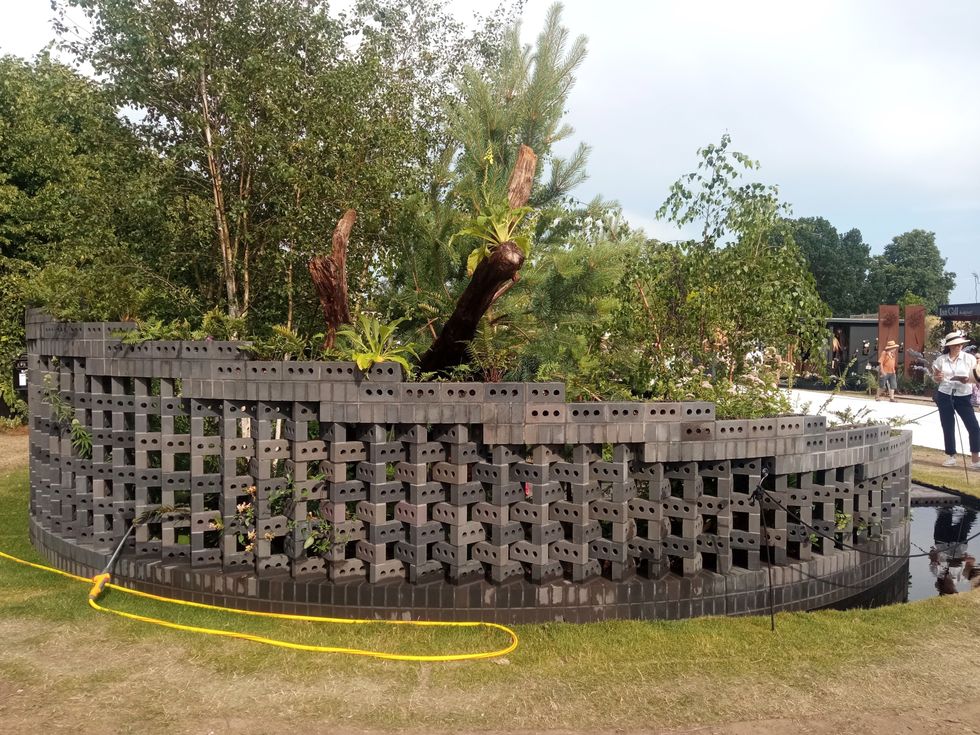 The circular structure inspired by jali screens in India
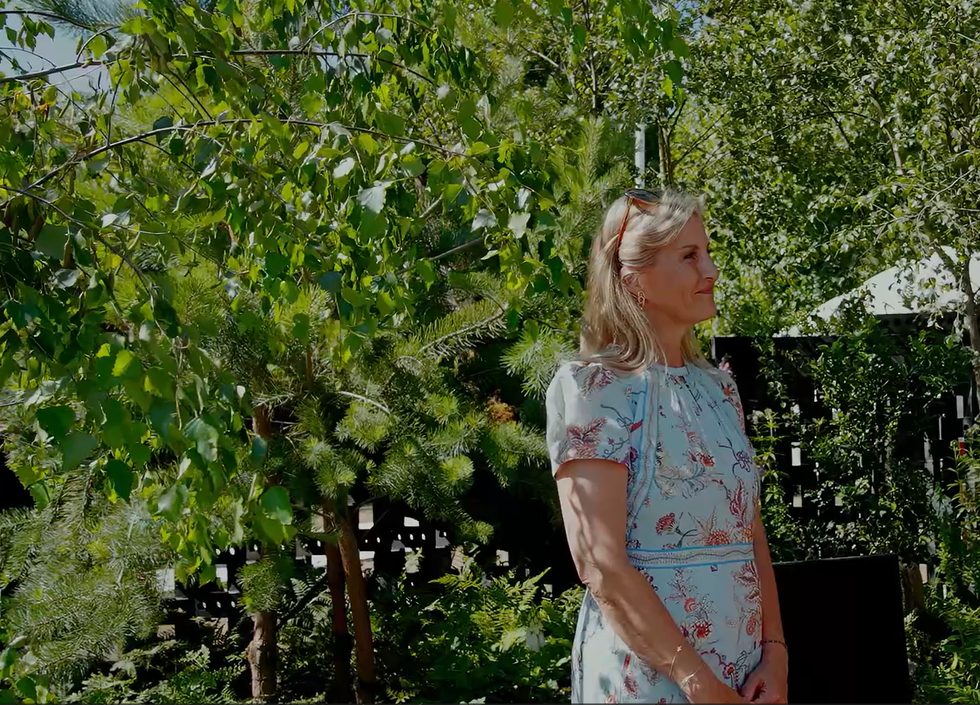 Sophie, Duchess of Edinburgh, at the garden
 The couple display their medals
