Pakistan's year-on-year inflation hit its highest-ever level of 36.42 per cent in April, after the government introduced new taxes and raised fuel prices to try to meet International Monetary Fund (IMF) conditions for a crucial bailout.
Government data released Tuesday (2) showed month-on-month inflation was 2.41 per cent, while average inflation for the past 12 months stood at 28.23 percent.
Years of financial mismanagement and political instability have pushed Pakistan's economy to the brink of collapse, exacerbated by a global energy crisis and devastating floods that submerged a third of the country in 2022.
Poor Pakistanis are feeling the brunt of the economic turmoil, with rising food prices and soaring transport costs.
"Inflation has broken our backs. Savings aside, it is difficult to meet even the monthly expenses," said Zaibunissa, a housewife in Rawalpindi.
Food prices were up by nearly 50 per cent in April from a year earlier, with transport costs 57 per cent higher.
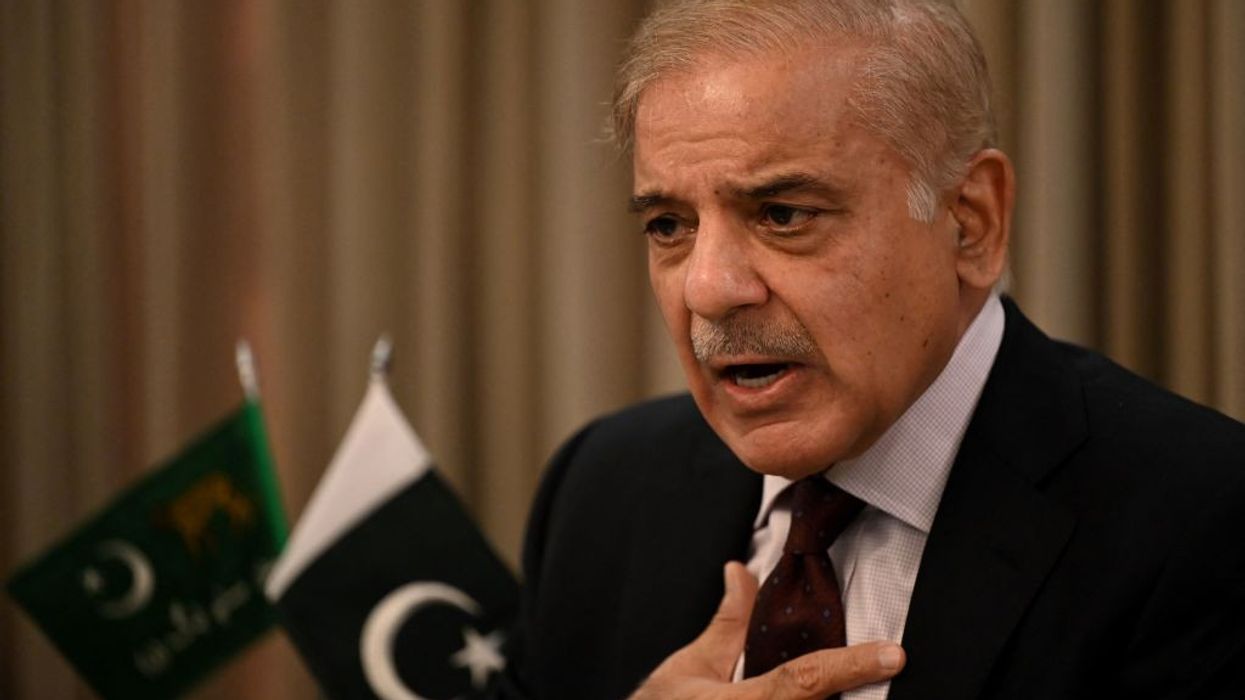
To pull the country out of its spiral, Prime Minister Shehbaz Sharif is battling to revive the next tranche of a $6.5 billion loan deal agreed with the IMF in 2019.
The global lender is demanding more stringent reforms, including tax rises and subsidy cuts, likely to rile voters ahead of a general election due no later than October.
Pakistan also has to win guarantees of bilateral support from friendly nations, with China, Saudi Arabia and the United Arab Emirates already contributing.
Analysts say inflation is expected to rise even after a deal has been reached.
(AFP)
Pakistan inflation hits 36 per cent, its highest-ever
Years of financial mismanagement and political instability have pushed Pakistan’s economy to the brink of collapse, exacerbated by a global energy crisis and devastating floods