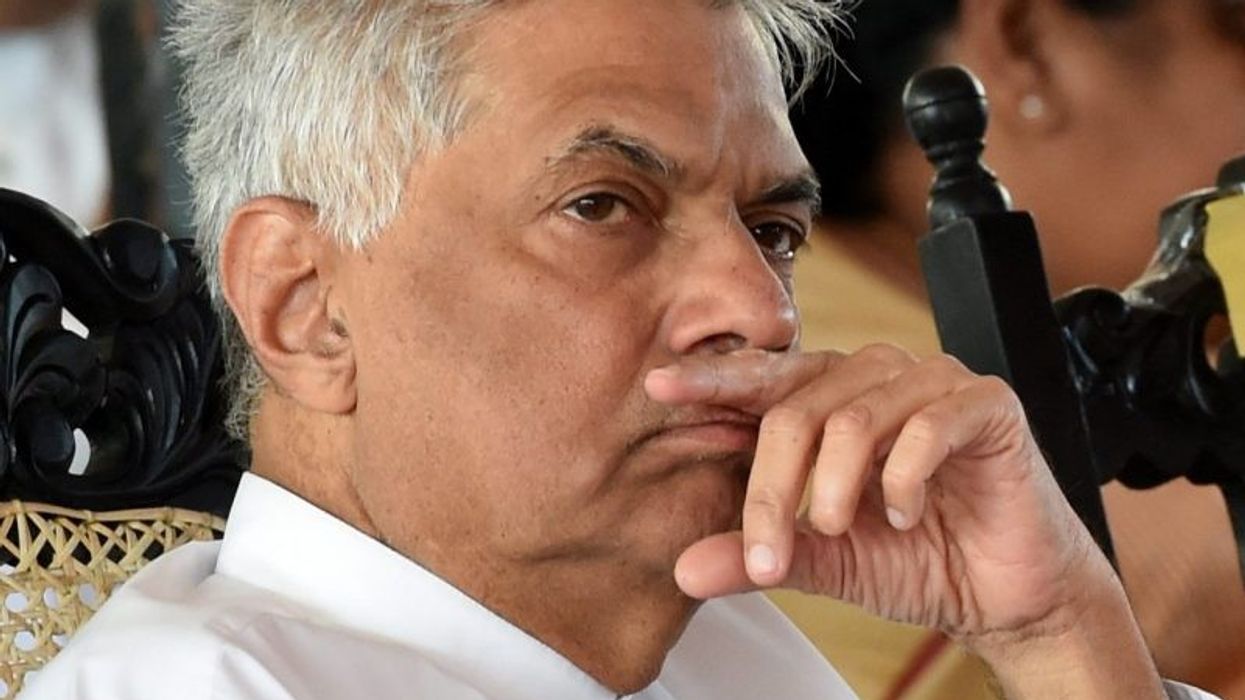
THE proportion of people in Britain suffering with depression has almost doubled during the Covid-19 pandemic, official data showed on Tuesday (18).
The Office for National Statistics (ONS) said 19 per cent of adults reported some form of depression during June, compared with 10 per cent in the nine months to March 2020. Stress and anxiety were the most common symptoms listed by people, it noted.
The data raises questions about the wider public health costs of a pandemic that has already left Britain with the highest excess mortality rate among major European countries.
"Adults who were young, female, unable to afford an unexpected expense or disabled were the most likely to experience some form of depression during the pandemic," said Tim Vizard, ONS principal research officer.
One in eight adults developed moderate to severe depression during the pandemic, the ONS said. Only one in 25 saw an improvement.
"This report from the ONS presents some worrying data on the rise of depressive symptoms during the pandemic," said Elaine Fox, professor of cognitive and affective psychology at the University of Oxford.
Adults who told the ONS they would be unable to afford an unexpected expense of £850 were more likely to experience some form of depression, the data showed.
"These economic factors are likely to play an important role in the nation's mental health in the coming months and years," Fox said.
A surge in depression is also likely to further harm the economy, which has already suffered an historic blow from the pandemic and the national lockdown it prompted in March.
A 2018 study from the Organization for Economic Co-operation and Development put the cost of mental health problems in Britain at around 4 per cent of its annual economic output.





 FOSSAE LaunchEastern Eye
 Unnati with father Rakesh K ShuklaEastern Eye
 FOSSAE LaunchEastern Eye
 FOSSAE LaunchEastern Eye