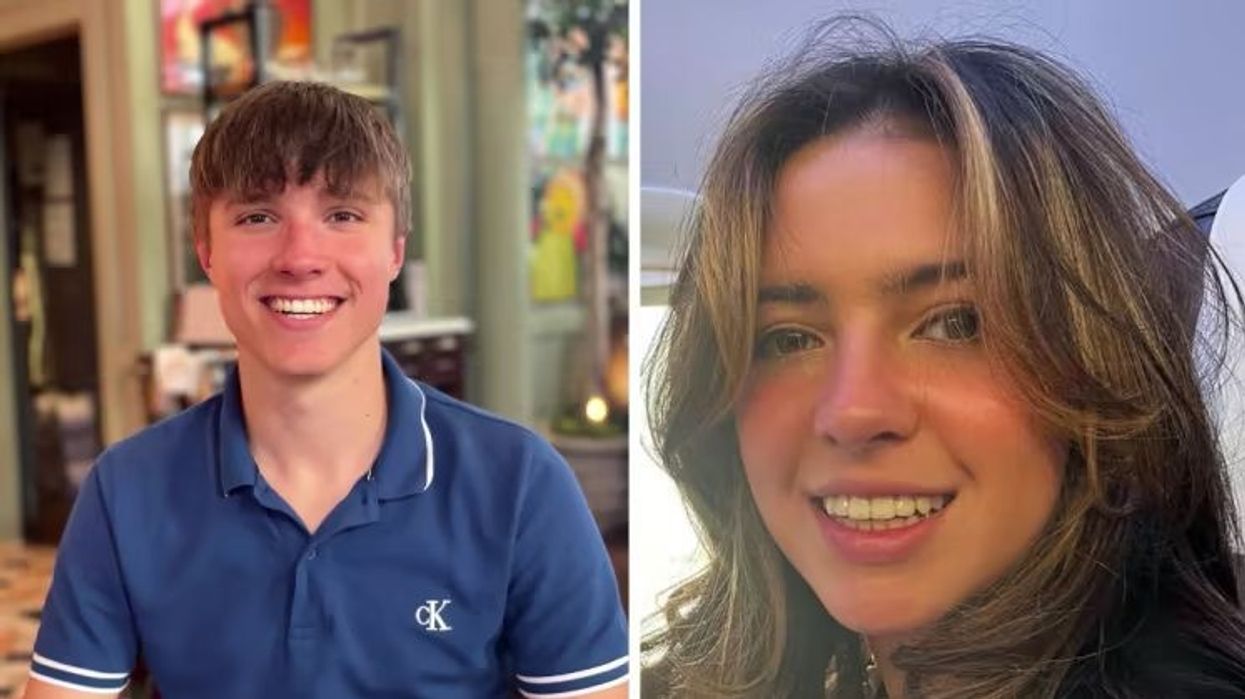

THE government on Tuesday (13) pledged to prioritise mental health as a report into a fatal stabbing rampage by a psychotic patient identified a litany of errors by medical authorities.
Nineteen 19-year-old students Grace O'Malley-Kumar and Barnaby Webber and school caretaker Ian Coates died in the attacks in the central English city of Nottingham last June.
Health secretary Wes Streeting said it was time to put a greater focus on mental health, amid growing public concern about treatment waiting times and big increases in demand.
"It's time we prioritise mental health so we will be updating the Mental Health Act to bring care into the 21st century to ensure that care is appropriate, proportionate and compassionate -- while keeping the public safe," he wrote in The Sun daily.
Victims' relatives said the report revealed "a catalogue of continual failures" lasting years in the handling of paranoid schizophrenic Valdo Calocane who carried out the killings.
"It’s really hard to actually pinpoint one particular point, because the failings are so systemic and they’re so gross," said Emma Webber whose son Barnaby died.
And she warned that what happened in Nottingham was "not a one-off tragedy".
"There are more Valdo Calocanes out in our community," she said.
According to the report, repeated medical assessments of Calocane underplayed the serious risk he posed to others.
Key details were "minimised or omitted" such as his refusal to take his medication, violent behaviour and persistent symptoms of psychosis.
"Poor decision-making, omissions and errors of judgments contributed to a situation where a patient with very serious mental health issues did not receive the support and follow-up he needed," said Chris Dzikiti of the Care Quality Commission which produced the report.
Sanjoy Kumar, the father of Grace O'Malley-Kumar, said doctors had to take greater responsibility for releasing "dangerous" patients.
"It’s not about depriving people of their liberty. It’s about holding clinicians responsible who put people like that out on our streets," said Kumar, a practising doctor.
"We have lost the absolute love of our life, our lovely, beautiful and brave daughter, Gracie, and at the end of the day what we want to see is that the public are safe," he said.
"I think the nation is crying out for safety from these crimes," he added.
Calocane was given an indefinite hospital order in January after admitting manslaughter due to diminished responsibility.
Prosecutors accepted his not guilty pleas to murder after multiple medical experts concluded he had paranoid schizophrenia.
Streeting, a member of the new Labour government, said the state-funded NHS had accepted the recommendations about improvements to the care of patients with serious mental illness.
Measures already in place include £2.3 billion a year increase in funding "to transform services".
"Action is already underway to address the serious failures," he said in a statement, adding that he wanted to "assure myself and the country" that the errors seen in Nottingham "are not being repeated elsewhere".
There has been growing alarm in the UK at the state of mental health provision over recent years as the NHS struggles with increased demand, a post-Covid backlog and staffing and funding issues.
The NHS says some 5.3 million children and young people were in contact with mental health services in 2023/24, up 8.1 per cent on the previous year and over 25 per cent on 2021/22.
(AFP)





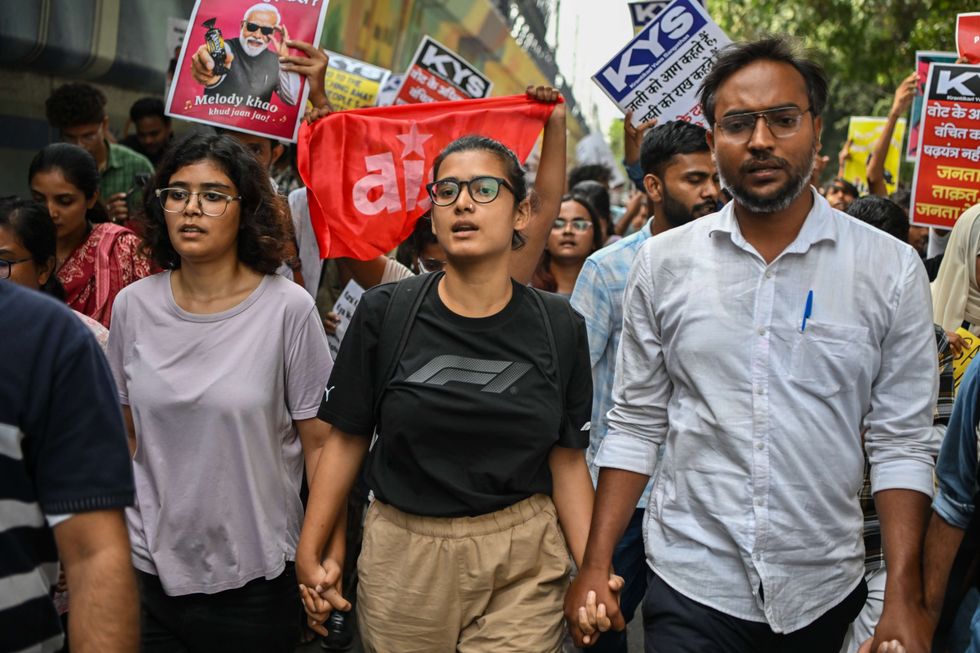 All India Students Association president Neha Bora, wearing a black shirt, takes part in a march during a protest on October 11, 2026 in New Delhi,.Getty
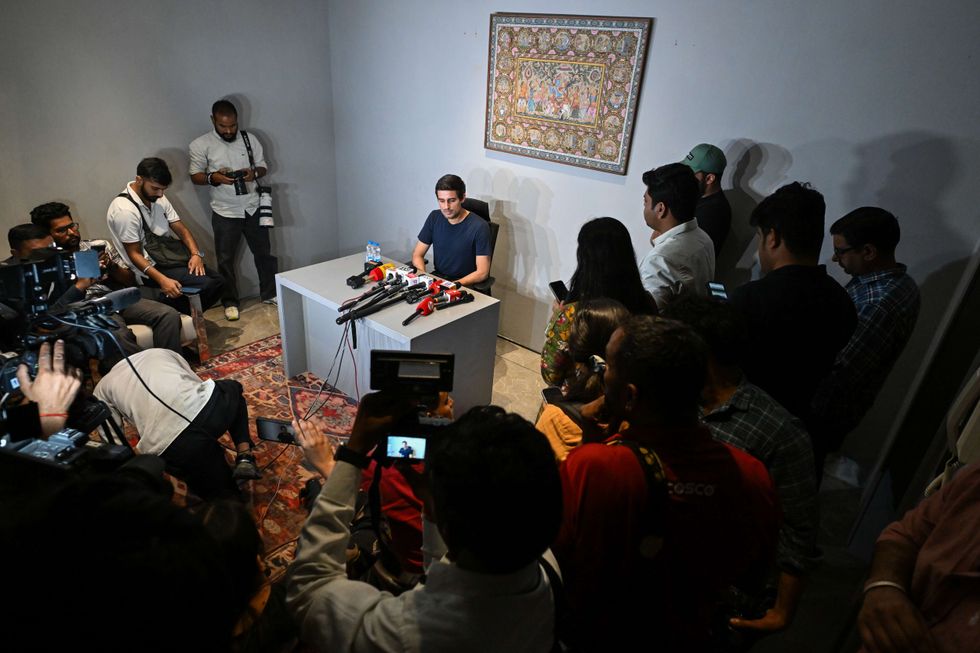 Youtuber Dhruv Rathee speaks during a press conference following his release from police detention on October 11, 2026 in New Delhi.Getty
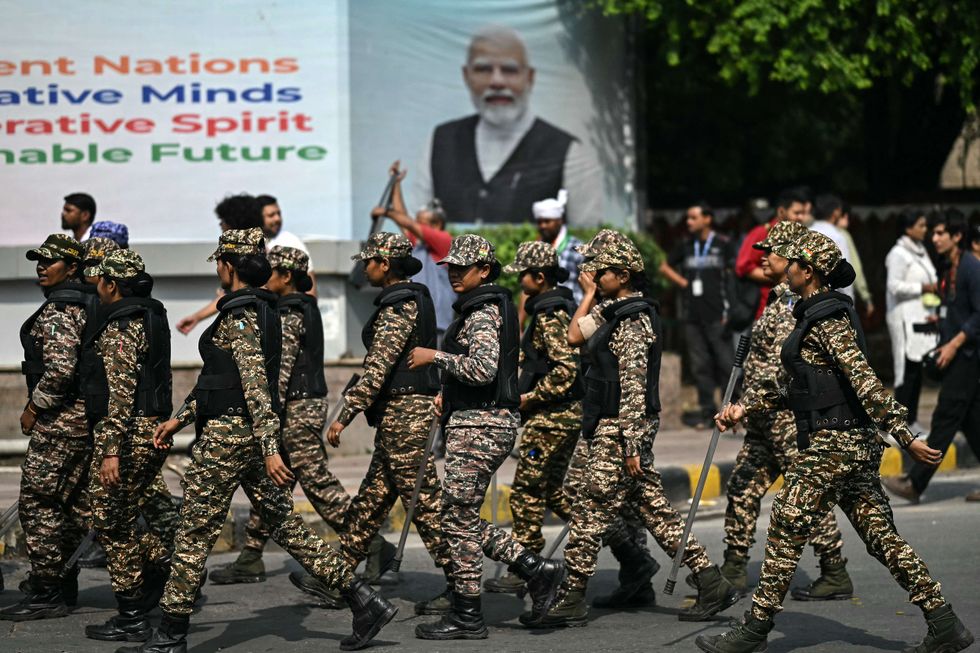 Security personnel walk past a portrait of Narendra Modi during a protest by the Congress party supporters demanding the resignation of India's Chief Election Commissioner Gyanesh Kumar.Getty

