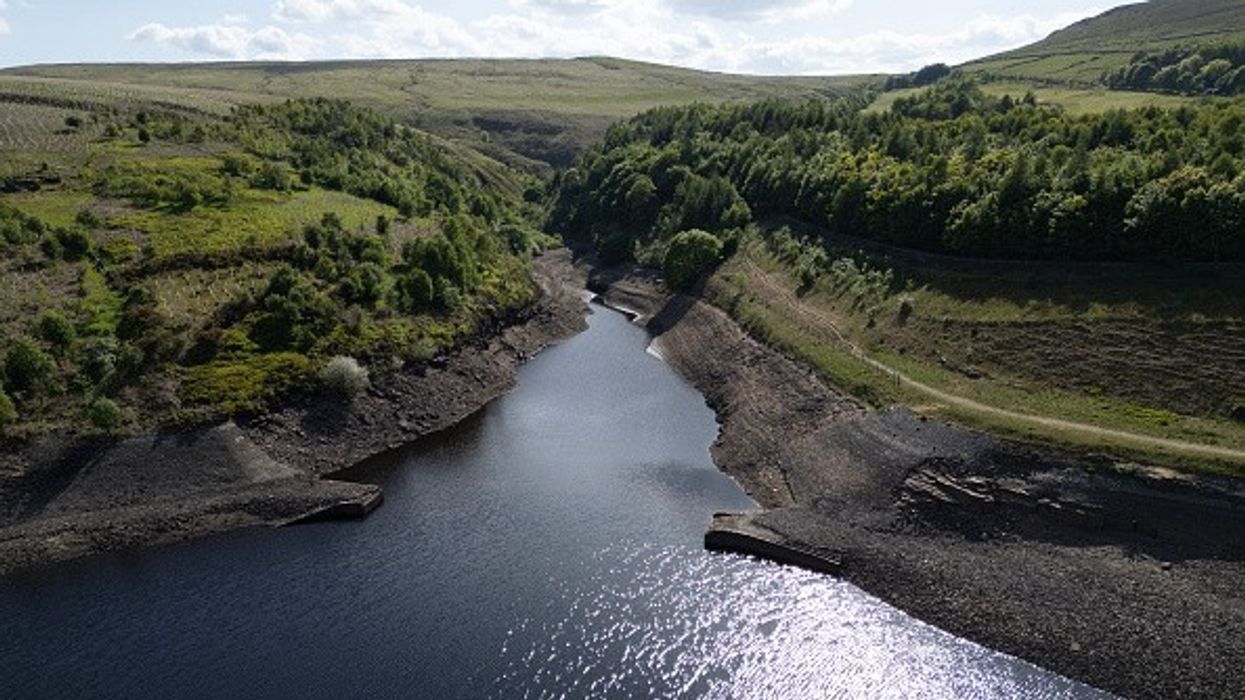

The Environment Agency has officially declared a drought across north-west England due to reduced water supply during the sunniest spring on record.
The region experienced unexpectedly dry weather, leading to drought status being declared on 21 May. The prolonged dryness has resulted in low water levels in reservoirs and other water bodies.
Residents are being advised to reduce water usage, as the capacity of rivers and reservoirs across the region has fallen below 60 per cent.
The announcement followed rainfall levels between February and April in the north-west, which were the third lowest on record since 1871—making it one of the driest springs of the century.
It is also the UK’s sunniest spring since records began in 1910.
An Environment Agency spokeswoman said: "Despite the rain over the weekend, levels remain low and we are encouraging people to be aware of the impacts of drought as we enter the summer period." Another spokesman added, "With further unsettled periods and rainfall over the coming weeks, we will continue to closely monitor the situation."
The region’s shift to official drought status was confirmed on Wednesday, following a “dry weather status” in place since 30 April.
The agency has warned of the consequences of the drought. North-west England could experience severe strain on its water bodies, leading to dead fish, algal blooms, and difficulties for wildlife navigating rivers due to reduced flow.
The Environment Agency has activated a drought plan to manage the situation, regulating United Utilities to use existing water resources in the most efficient way possible while prioritising environmental protection.
The region’s water supplier has been contacted for comment.
Experts predict rising temperatures in the coming weeks, potentially followed by a period of extreme wet weather. England experienced its wettest 12-month period from October 2023 to September 2024, resulting in widespread flooding and agricultural losses.