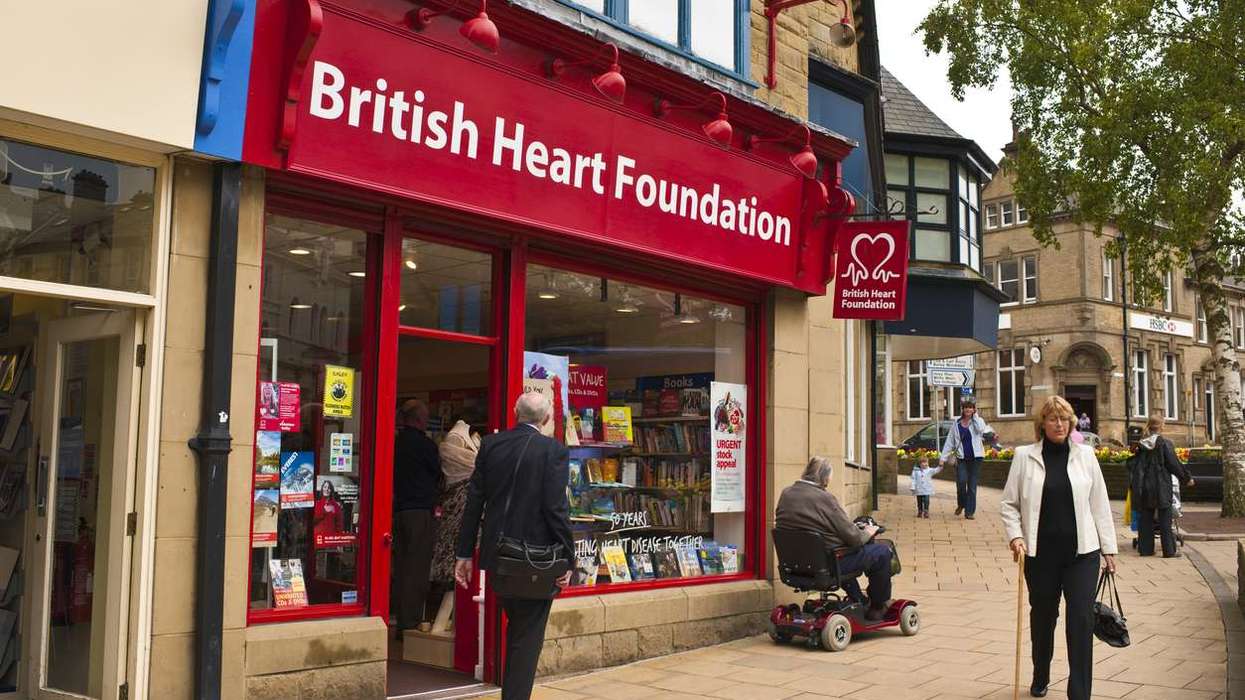

- British Heart Foundation plans to close around 150 shops by March 2028.
- Charity cites rising costs, weaker store economics and changing consumer habits.
- Move comes as the wider UK retail sector continues to adapt after years of disruption.
The British Heart Foundation (BHF) is set to close around 150 charity shops across the UK over the next two years, becoming the latest major retailer to scale back its high street footprint amid rising costs and changing consumer behaviour.
The planned closures, which affect nearly a quarter of the charity's 640-store network, highlight the growing challenges facing charity retail in the UK. While the BHF stressed that its overall finances remain strong, it said a review of its retail operations found that a number of stores were no longer financially sustainable in the current environment.
A shrinking footprint in a changing retail landscape
The charity said around 90 shops are expected to close by March 2027, with the remaining affected locations scheduled to shut by March 2028. It also plans to reduce the size of the central teams supporting its retail division.
The BHF has not yet disclosed which locations will be affected. It said details would be published after employees and volunteers in impacted stores have been informed.
Chief executive Dr Charmaine Griffiths said the organisation was facing an "exceptionally challenging trading environment". She reportedly said the closures were necessary to ensure the retail business remains commercially sustainable and continues to support the charity's research work into cardiovascular disease.
"Our shops mean so much to our colleagues, brilliant volunteers and communities across the UK," Griffiths reportedly said. She added that the decision had been difficult but was necessary to protect retail's contribution to funding research.
The charity said no single issue had triggered the move. Instead, the decision reflects a combination of higher operating costs, changing donor habits and shifts in how people shop. Alongside its physical stores, the BHF operates online retail channels through its website and eBay, and said it would continue adapting its operations to changing customer behaviour.
High street pressures continue to bite
The announcement comes against a backdrop of wider challenges across the UK's retail sector. Many retailers have complained about rising employment costs, including higher employer National Insurance contributions and increases to the minimum wage.
Charity retailers have been particularly exposed to these pressures as they balance fundraising objectives with rising overheads.
Last year, Cancer Research UK announced plans to close around 90 high street stores by May 2026 and a further 100 by April 2027. The charity cited inflationary pressures, lower footfall, higher National Insurance costs and growing competition from online resale platforms.
The BHF's decision also comes after years of change on Britain's high streets. According to analysis of Valuation Office Agency data by tax firm Ryan, more than 6,000 retail premises disappeared from communities across England and Wales over the past five years.
Yet the picture is not entirely negative. The same analysis found signs of stabilisation during 2025, with a net increase of 723 retail premises across England and Wales. By the end of the year, there were 507,810 retail properties in operation, with most regions recording growth.
The figures suggest that while parts of the retail sector are still contracting, others are beginning to find a new balance after the structural changes accelerated by the pandemic and the rapid growth of online shopping.
For the British Heart Foundation, however, the immediate priority appears to be protecting long-term fundraising income, even if that means a significantly smaller presence on the high street.