
BAHRAIN remains open for business and continues to attract investment despite the conflict in the Middle East, a senior government official stressed at a roundtable in London last week.
Noor bint Ali Alkhulaif, the minister of sustainable development and chief executive of the Bahrain Economic Development Board, acknowledged the recent geopolitical tensions in the Gulf, including attacks on Bahrain and the wider region, while delivering a strong message of stability and continuity.
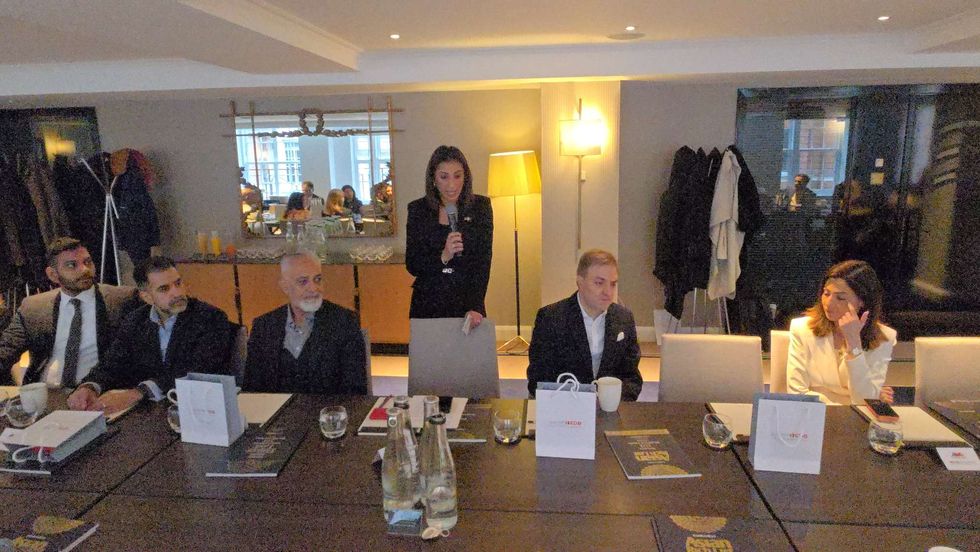 Noor bint Ali Alkhulaif, Minister of Sustainable Development and Chief Executive of the Bahrain Economic Development Board, delivering a strong message of stability and continuity.Eastern Eye
“There are certain fundamentals that will not change- our ambition as a country, our commitment to partnerships, and our focus on future growth,” she said.
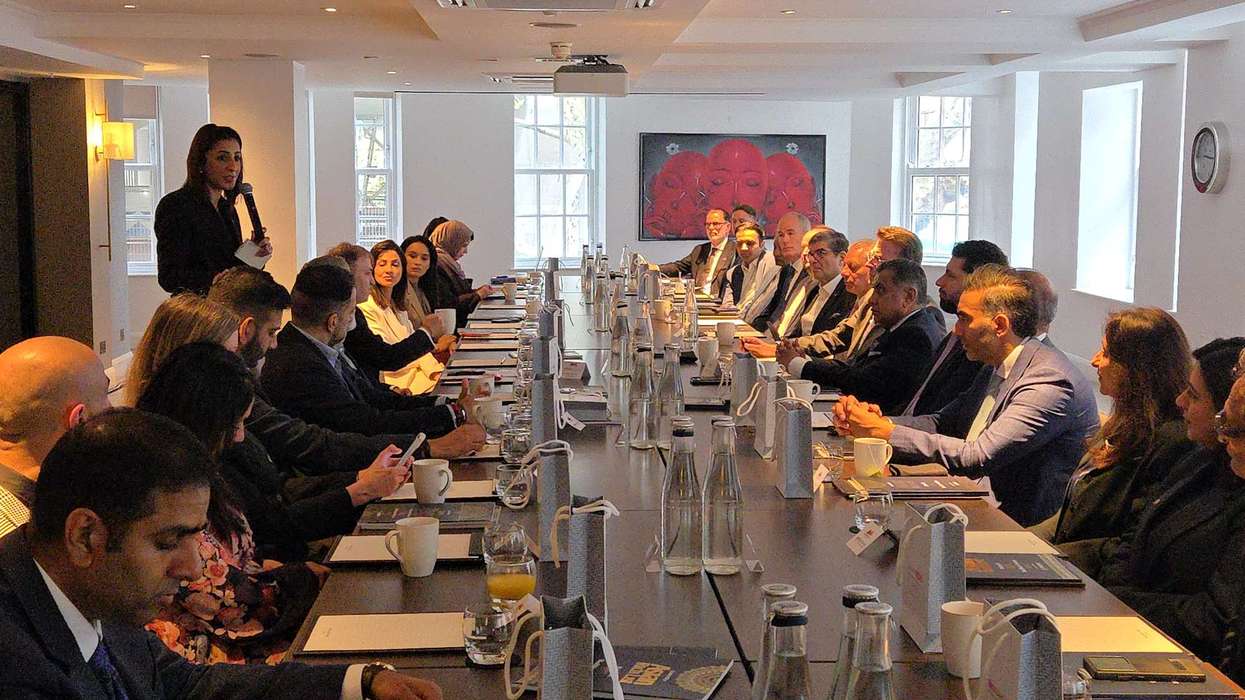
The minister’s remarks came at a breakfast roundtable last Wednesday (15) at The May Fair Hotel, attended by senior policymakers, investors and industry leaders for a timely discussion on opportunities in the Middle East.
It was organised by the Asian Media Group, publishers of Eastern Eye and Garavi Gujarat newsweeklies.
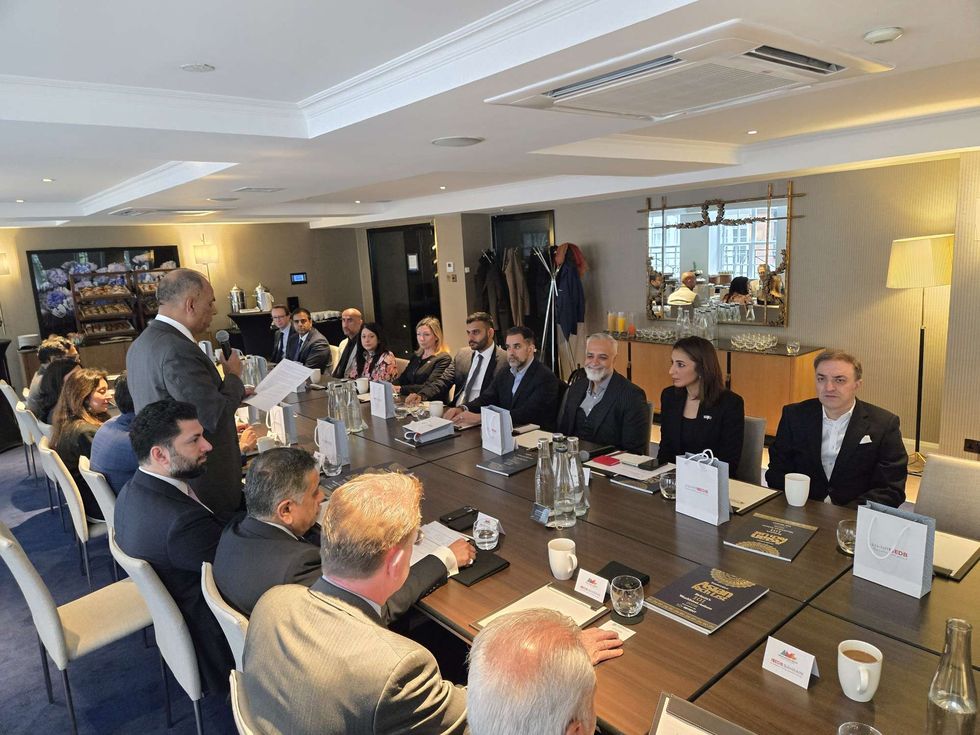 Kalpesh Solanki, Group Managing Editor of AMG, emphasises the importance of fostering meaningful global partnerships through dialogue, particularly during times of uncertainty. Eastern Eye
Opening the session, Kalpesh Solanki, group managing editor of AMG, highlighted the importance of fostering meaningful global partnerships through dialogue, particularly during times of uncertainty.
He underlined AMG’s role in connecting business leaders and policymakers, while pointing to Bahrain as a growing hub of opportunity for international investors.
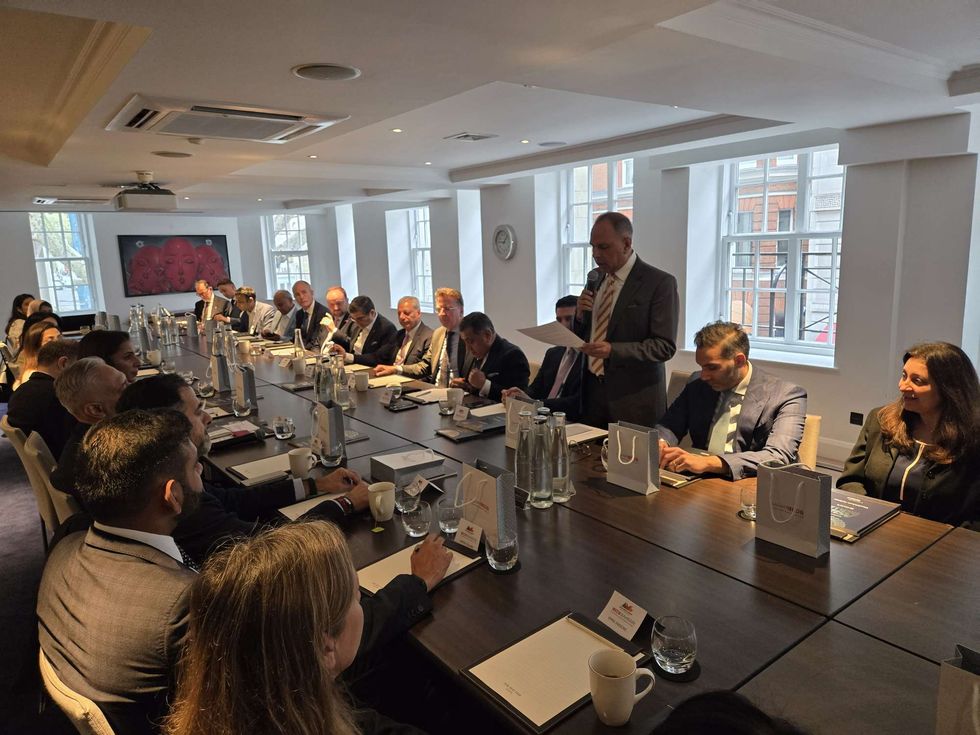 Kalpesh Solanki, Group Managing Editor of AMG, emphasises the importance of fostering meaningful global partnerships through dialogue, particularly during times of uncertainty.Eastern Eye
The minister emphasised that Bahrain’s immediate priority during the crisis was the safety of all residents, alongside ensuring continuity of government services and private sector operations.
She explained that crisis response mechanisms were activated within hours, enabling businesses to continue functioning, supported by transparent communication and direct government engagement.
“Today, there is not a single company that is not operating,” she said.
The minister highlighted the strength of UK bilateral relations, referencing the recent visit of prime minister Sir Keir Starmer to Bahrain on April 9.
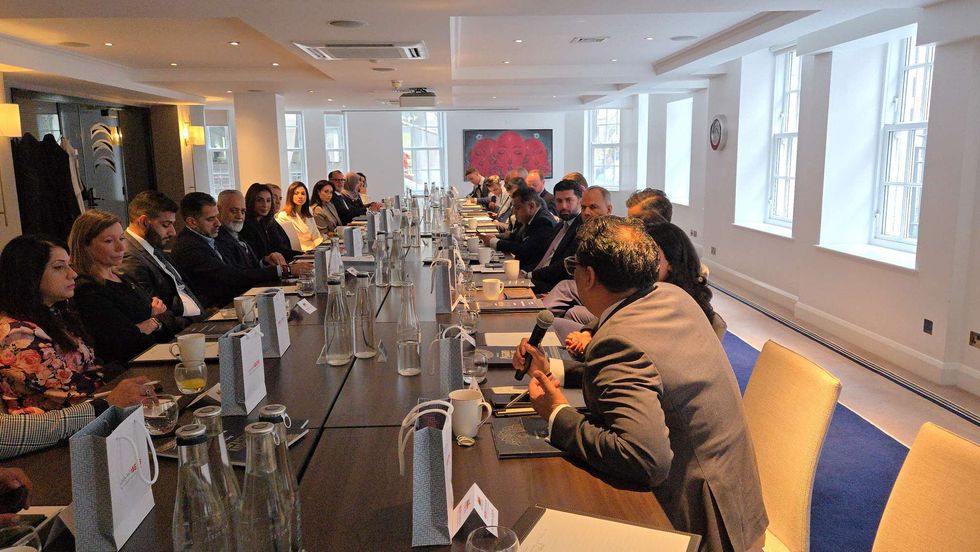 During the interactive Q&A session, Minister Alkhulaif providing detailed insights into Bahrain’s investor support framework.Eastern Eye
“The UK is a trusted partner… and the discussions were not just about the past, but about building the future together,” she said.
International confidence in Bahrain remained strong, with investors continuing to engage positively despite short-term uncertainties, the minister added.
A key theme of the discussion was Bahrain’s economic transformation. Ali Alkhulaif explained that more than 85 per cent of Bahrain’s GDP now comes from non-oil sectors, reflecting decades of diversification. The country’s priority sectors include financial services, manufacturing, logistics and tourism.
She stressed that Bahrain’s open and business-friendly environment, supported by infrastructure and regulation, was a draw for investors.
Ali Alkhulaif explained how Bahrain has on offer incentives such as subsidised industrial land, competitive energy costs and targeted sector support for investors.
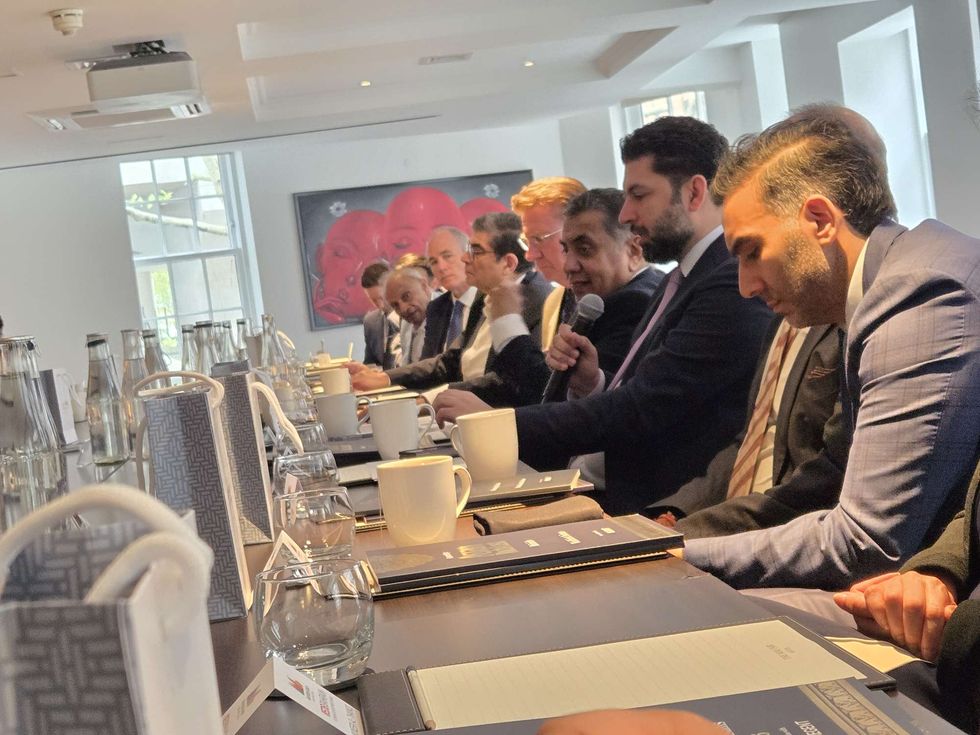 During the interactive Q&A session, Minister Alkhulaif providing detailed insights into Bahrain’s investor support framework.Eastern Eye
A central component is Bahrain’s labour fund, Tamkeen, which offers extensive financial assistance to businesses.
“Companies can access subsidies of up to 50 per cent for machinery, as well as support for digital transformation and renewable energy,” she said.
Significantly, Bahrain places emphasis on human capital development, the minister told the roundtable. Businesses hiring Bahraini nationals can benefit from salary support of up to 70 per cent in the first year, alongside funding for training and professional development.
She also highlighted international talent programmes that allow companies to train Bahraini employees globally, with costs covered by the government.
“We want incentives to create real value - supporting both investors and the development of Bahraini talent over time,” she said.
Lord Tariq Ahmad praised Bahrain’s resilience and its strategic importance as a key UK partner in the Gulf.
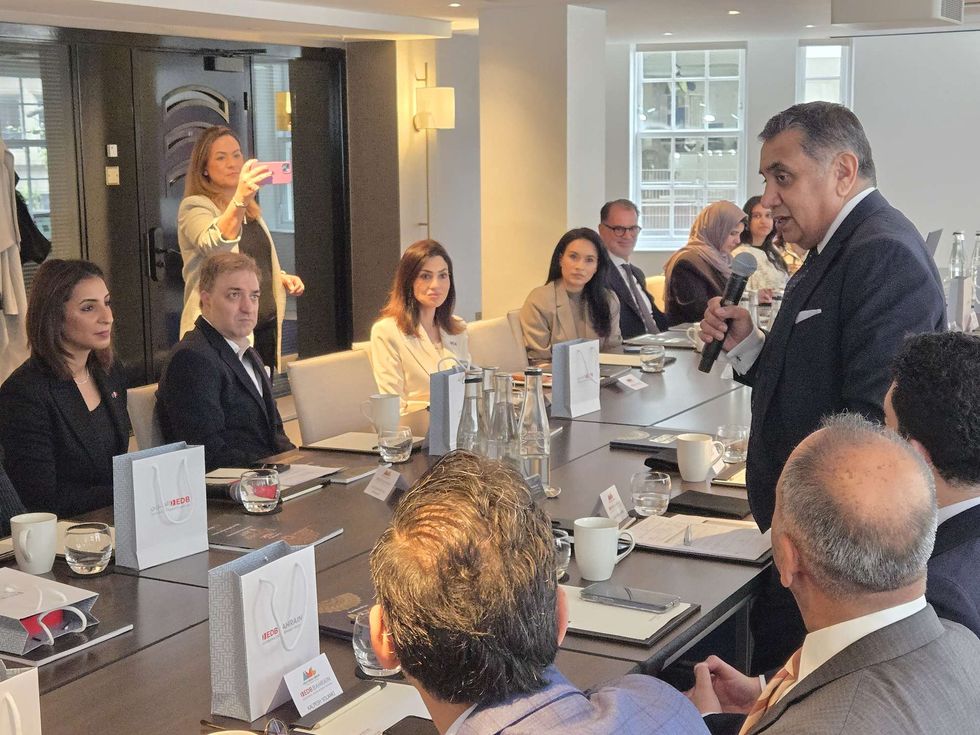 Rt Hon Tariq Ahmad KCMG, highlighting Bahrain’s resilience and its strategic importance as a key UK partner in the Gulf.Eastern Eye
Drawing on his experience as a former UK minister, he described Bahrain as one of the most trusted and effective partners for Britain, with deep-rooted ties spanning security, diplomacy and trade.
Despite recent regional challenges, Bahrain showed resilience, which combined with its long-term economic vision, reinforced the country’s position as one of the Gulf’s most credible investment destinations, he said.
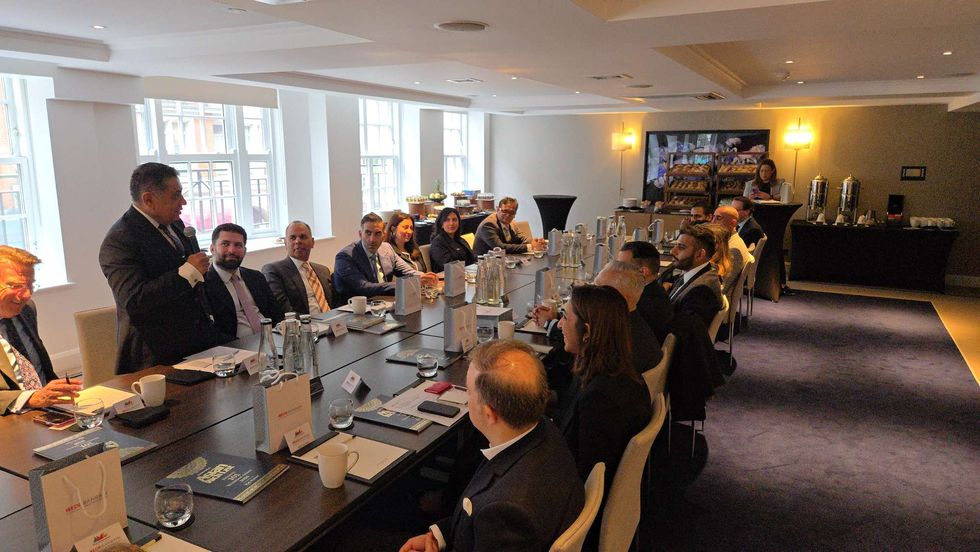 Rt Hon Tariq Ahmad KCMG, highlighting Bahrain’s resilience and its strategic importance as a key UK partner in the Gulf.Eastern Eye
Lord Ahmad also highlighted Bahrain’s growing global role, including its leadership positions within regional and international institutions such as the Arab League, the GCC and the United Nations Security Council.
He praised the kingdom’s commitment to maintaining freedom of navigation in the Strait of Hormuz, underlining its importance for global trade and stability.
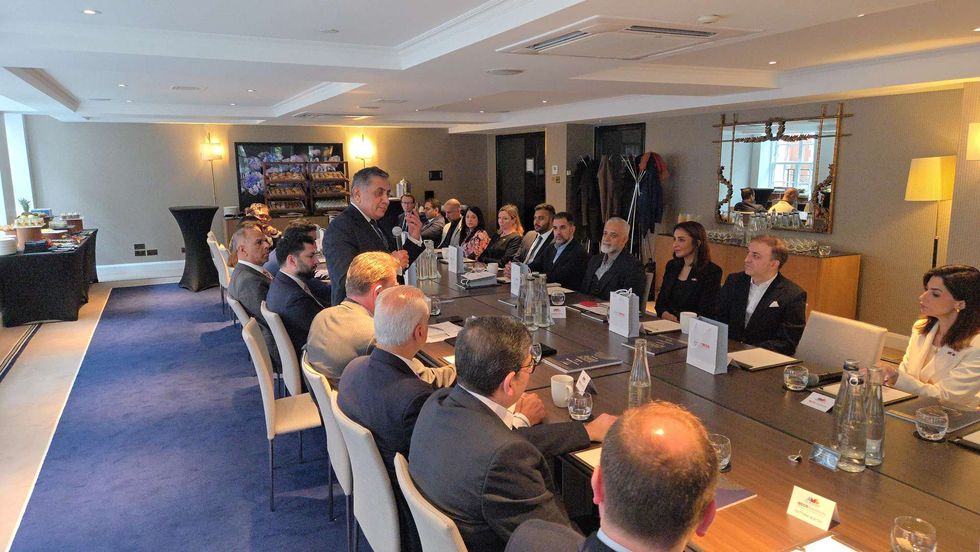 Rt Hon Tariq Ahmad KCMG, highlighting Bahrain’s resilience and its strategic importance as a key UK partner in the Gulf.Eastern Eye
Dalal Buhejji, executive director for business development (financial services) at Bahrain EDB, presented an overview of Bahrain’s investment landscape, highlighting the country’s diversified economy, strong regulatory environment and emerging opportunities across sectors, positioning Bahrain as a strategic gateway to the GCC.
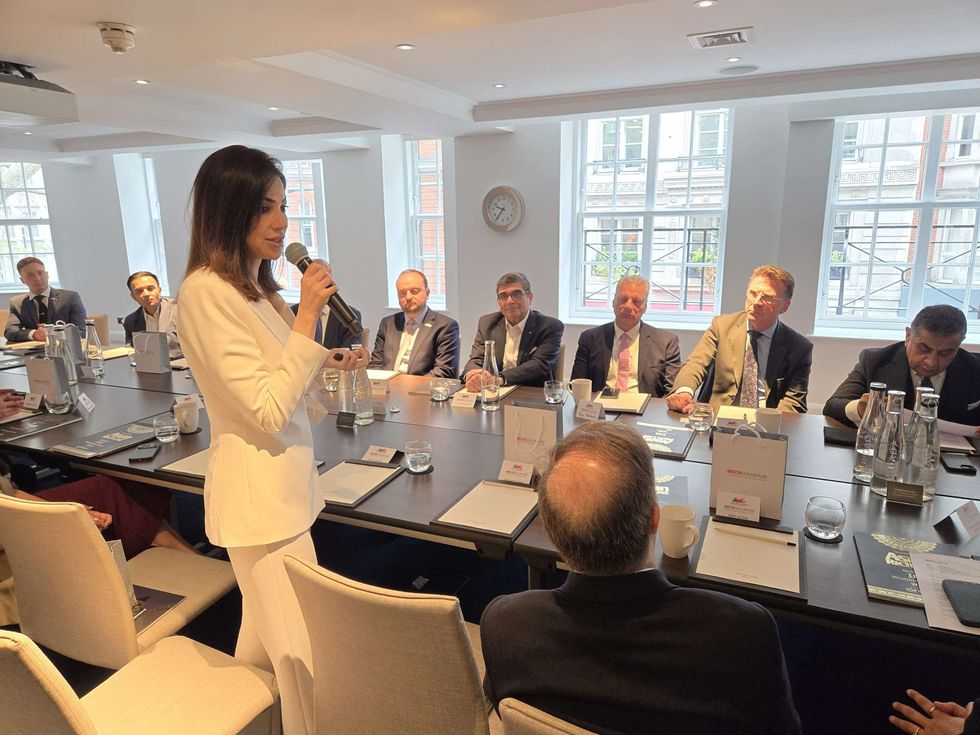 Dalal Buhejji, Executive Director for Business Development (Financial Services) at Bahrain EDB, presenting a comprehensive overview of Bahrain’s investment landscape.Eastern Eye
Among those who attended the event were Inderneel Singh (The May Fair Hotel), Tony Matharu (Integrity International Group), Girish Sanger (Mastcraft Group), Vijay Goel (Singhania & Co), Iain Lindsay OBE, former British ambassador to Bahrain and the Economic Development Board Bahrain Team.)