
Highlights
- Niu Lai, a crude animation made by a two-person team, has become an unlikely Chinese box office hit.
- The film initially made just £842 before online mockery turned it into a viral sensation.
- Its latest box office has passed £1.6 million, putting the tiny production alongside major blockbusters.
A crude animated film about a calf and a skylark has gone from being mocked online to becoming one of the most unlikely box office stories of the year.
Niu Lai, translated as The Cow is Coming, opened in China on 5 August with virtually no publicity. The 86-minute film reportedly made just £842 in its first 10 days, with fewer than 300 people buying tickets nationwide. There was no trailer, promotional tour or major pre-release campaign.
Then the internet discovered it.
The film people went to see because it was ‘bad’
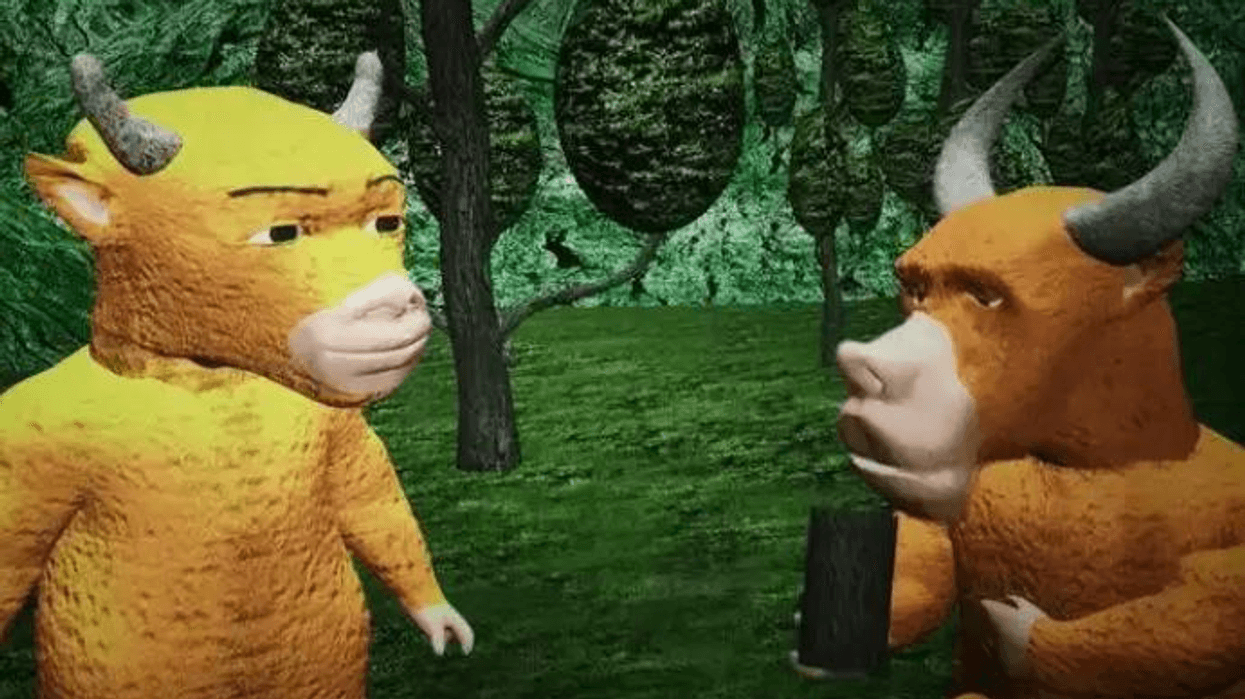
Discussion around Niu Lai initially centred on its crude animation, unusual visuals and difficult-to-follow story. Rather than killing interest, the criticism turned the film into a meme.
Curiosity soon became the film's biggest marketing tool. Audiences began going to cinemas specifically to see the animation they had been hearing about online, sending its box office soaring.
The film has now taken more than £1.6 million, according to Maoyan, a remarkable turnaround for a production that barely registered during its opening days.
A two-person cartoon against Hollywood blockbusters
The scale of Niu Lai makes its success even more unusual. The film was made over five years by Xin Yumeng and Sun Lifang, reportedly a mother-and-son team who handled the writing, directing, voice work and production themselves.
Its deliberately low-tech appearance is the complete opposite of the polished animation audiences have come to expect from major studios. The film has also arrived at a moment when AI-generated imagery and increasingly sophisticated digital animation are dominating conversations around filmmaking.
Some viewers have therefore embraced its rough, handmade quality. Others have been considerably less charitable.
One industry professional described the film as “bad in every aspect imaginable”, including its story, special effects and almost every conventional element of filmmaking. Yet that very criticism appears to have become its greatest selling point.
Why the ‘worst film’ became a must-see
Niu Lai is essentially benefiting from the oldest rule of internet culture: people want to see what everyone else is talking about.
The film did not need an expensive advertising campaign. Its critics effectively created one for it. Every complaint about the animation became another reason for someone else to buy a ticket and judge it for themselves.
That has turned Niu Lai into something more interesting than simply a badly made film. It is now a case study in how mockery, memes and curiosity can create a theatrical hit almost overnight.
For a tiny animation that began with fewer than 300 cinema-goers, sharing the box office conversation with films backed by vastly bigger resources is quite an ending.