
Highlights
- Treatment now takes one minute instead of two hours.
- 14,000 patients in England will benefit each year.
- Frees up 100,000 staff hours annually.
The health service has started using a faster version of pembrolizumab, a cancer drug that treats 14 different types of the disease.
These include breast cancer, cervical cancer, lung cancer, and head and neck cancers. Previously, patients sat for two hours receiving the same medicine through a drip.
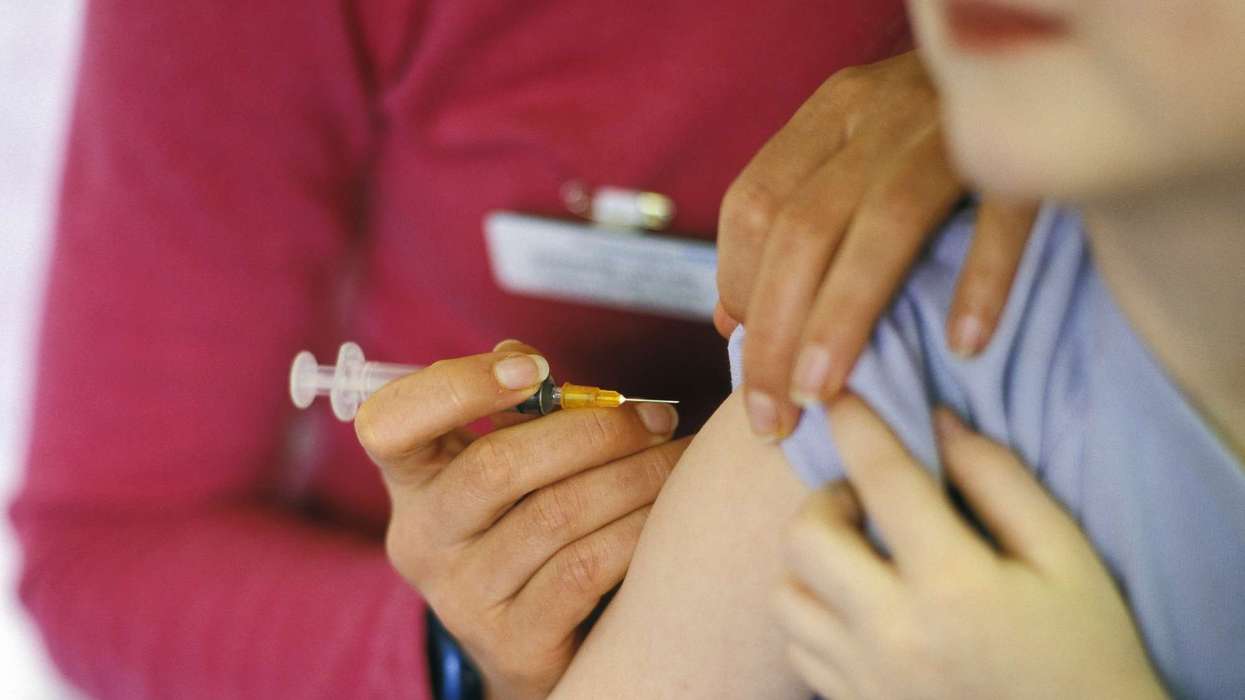
The new injection does the same job as the old drip treatment. It helps the body's immune system recognise and fight cancer cells by blocking proteins that hide tumours.
Patients now get their medicine in just 60 seconds every three weeks. Some receive a two-minute dose every six weeks instead.
Shirley Xerxes, 89, from St Albans, was among the first to try the new method at Mount Vernon Cancer Centre.
"I can't believe how little time it took. I was only in the chair for a matter of minutes," she told The Telegraph. The saved time means she can spend more hours doing what she loves, including gardening.
Health secretary Wes Streeting, who survived kidney cancer in 2021, understands the importance personally.
"This rollout will offer quicker, more convenient care, saving patients' time and helping them in their recovery," he explained.
Professor Peter Johnson, the NHS's top cancer doctor, called the new injection "a lifeline for thousands of patients" that lets them "get back to living their lives rather than spending hours in a hospital chair."
The change helps hospitals too. Staff no longer need to spend time preparing special sterile bags for drip treatments. The ready-to-use injections are simpler and faster, meaning doctors and nurses can treat more people.
This follows similar quick injections introduced for 15 other cancer types last year.
Nearly 30 different cancers can now be treated with fast injections on the NHS. Britain is one of the first countries using this method widely.