
Highlights
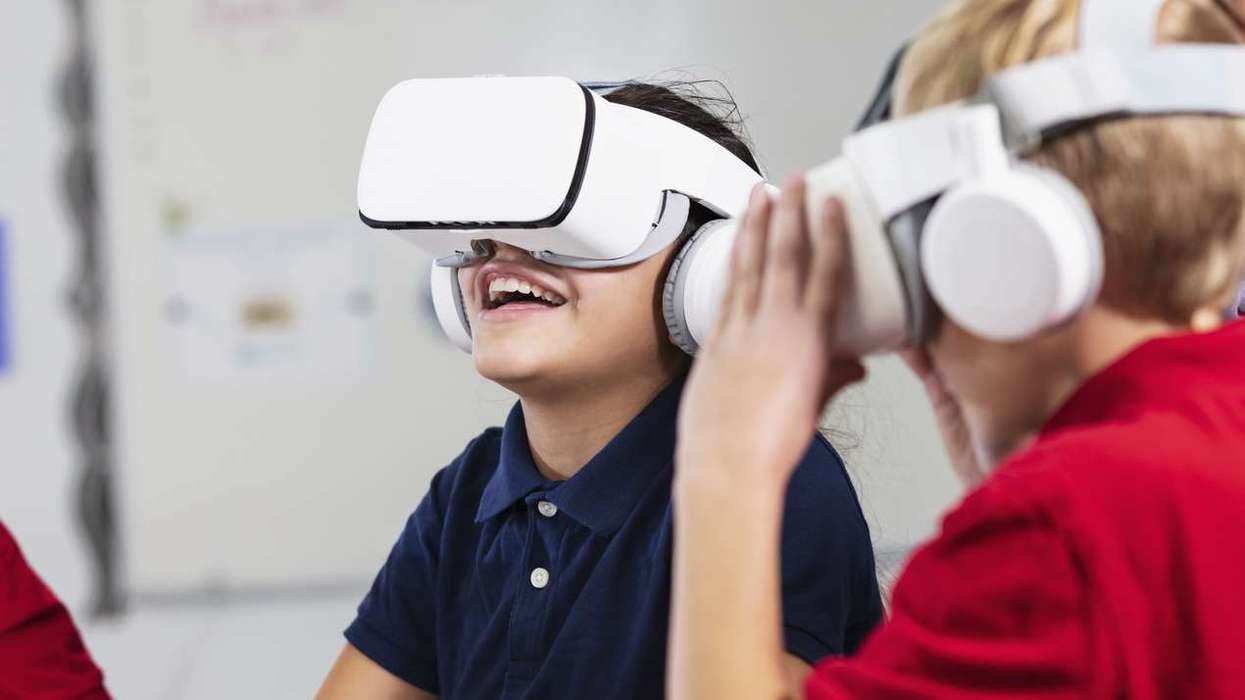
- Nine in ten pupils showed immediate stress reduction after using VR headsets.
- All 15 secondary schools in Sutton are trialling the programme with NHS backing.
- Overloaded Camhs services push schools to seek affordable alternatives.
Zillah Watson, co-creator of Phase Space and a former head of VR at the BBC, noted that the programme was built to help overwhelmed and anxious students.
Young people find that even a short session in VR helps them calm down, rebuild confidence, and feel ready to return to their lessons.
Nine out of ten pupils across the first ten schools reported an immediate drop in stress after using the headsets.
Watson, also a visiting professor at University College London, said the programme had led to improvements in attendance and behaviour, with reductions in anxiety around exams and assessments also recorded.
Sixteen-year-old Lora Wilson described how the headset helped ease her fear of exams. "You start in a room and it hasn't got anything in it and the light slowly fades and then you're almost transported back into black but with light coming towards you," she told The Guardian.
"It almost feels like I'm somewhere else and I can just relax." Using the headset had boosted her confidence, she added. "Exams terrified me.
They don't scare me as much any more. When I felt that way I would use the headset and it would help me process how I was feeling about it."
Pupils feel grounded
Aelisha Needham, vice-principal for ethics at Ark Academy secondary school in north London, told The Guardian that the school mainly used the headsets with pupils who have social, emotional, or mental health needs, including those with ADHD or anxiety.
"We have students who feel quite dysregulated, especially when there are changes to their usual routine, such as a cover teacher, or they may have felt distressed about something at home, or they haven't had breakfast, or they're having friendship issues or haven't done their homework."
Needham said pupils were now asking to use the programme themselves when they started to feel overwhelmed, using it to ground themselves rather than simply walking out of lessons.
The Sutton schools are exploring the technology alongside the education wellbeing team of the Camhs service at South West London and St George's NHS trust.