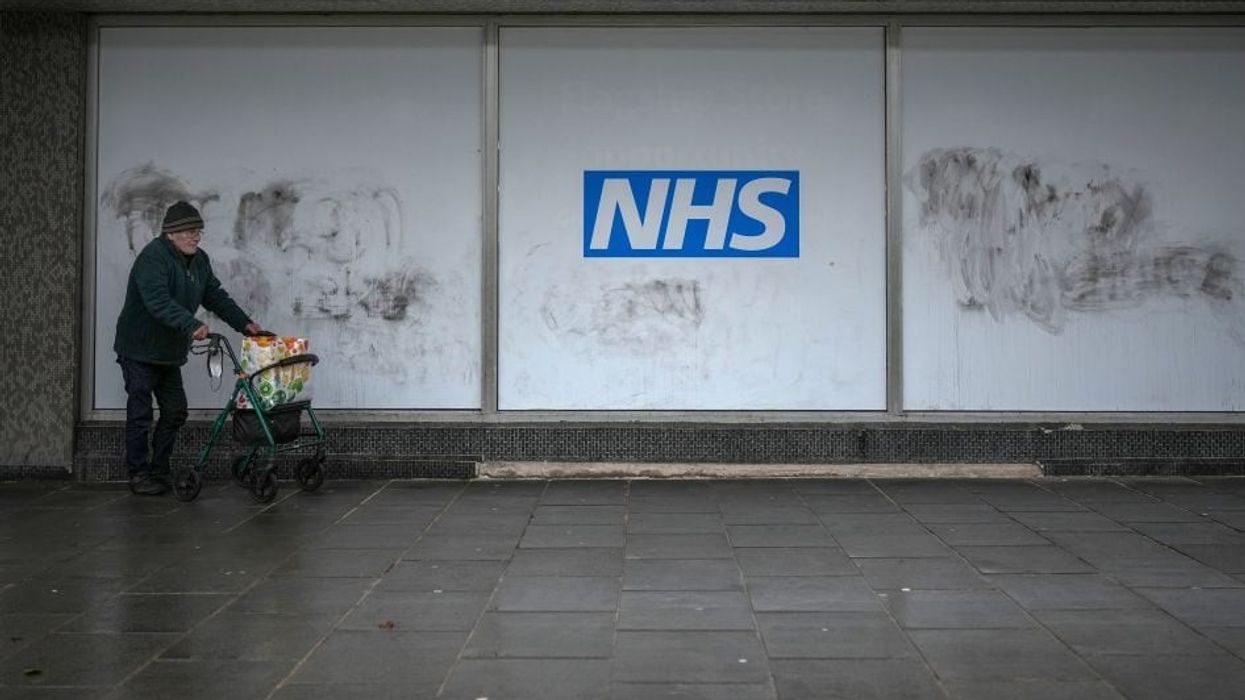

THE GOVERNMENT has announced a plan to reduce NHS waiting lists in England by nearly half a million over the next year.
The initiative focuses on expanding Community Diagnostic Centres, creating more surgical hubs, and improving patient choice to address inefficiencies, reported the BBC.
Prime minister Keir Starmer said the reforms would create millions of additional appointments and "deliver on our promise to end the backlogs."
The plan aims to ensure that 92 per cent of patients begin treatment or receive the all-clear within 18 weeks by the end of this parliament.
This target, unmet since 2015, currently sees only 59 per cent compliance, leaving three million patients waiting longer. The government intends to increase this figure to 65 per cent by March 2026, the BBC reported.
Community Diagnostic Centres will operate 12 hours daily, seven days a week, providing services like scans and endoscopies closer to patients’ homes.
These centres are expected to create up to half a million extra appointments annually, with GPs allowed to refer patients directly in some cases. Surgical hubs will focus on routine procedures such as cataract surgeries and orthopaedic work.
The government also plans to free up one million annual appointments by eliminating automatic follow-ups, offering them only on request. These measures, officials say, will add to Labour’s previous pledge of two million new appointments annually.
NHS chief executive Amanda Pritchard described the reforms as transformative, adding that they would allow patients greater control via the NHS App.
The total waiting list for NHS services in England stands at 7.5 million. While no specific target level has been set, officials believe the reforms will gradually reduce it.
Concerns have been raised by medical professionals, including Professor Phil Banfield of the British Medical Association, who questioned the feasibility of the plan due to workforce shortages.
Shadow health secretary Ed Argar criticised Labour’s plan, accusing it of repackaging Conservative achievements, the BBC reported.
Liberal Democrat MP Helen Morgan cautioned against neglecting emergency and social care in pursuit of reducing waiting lists.
Funding details for the reforms will be announced in the government’s spending review later this year.



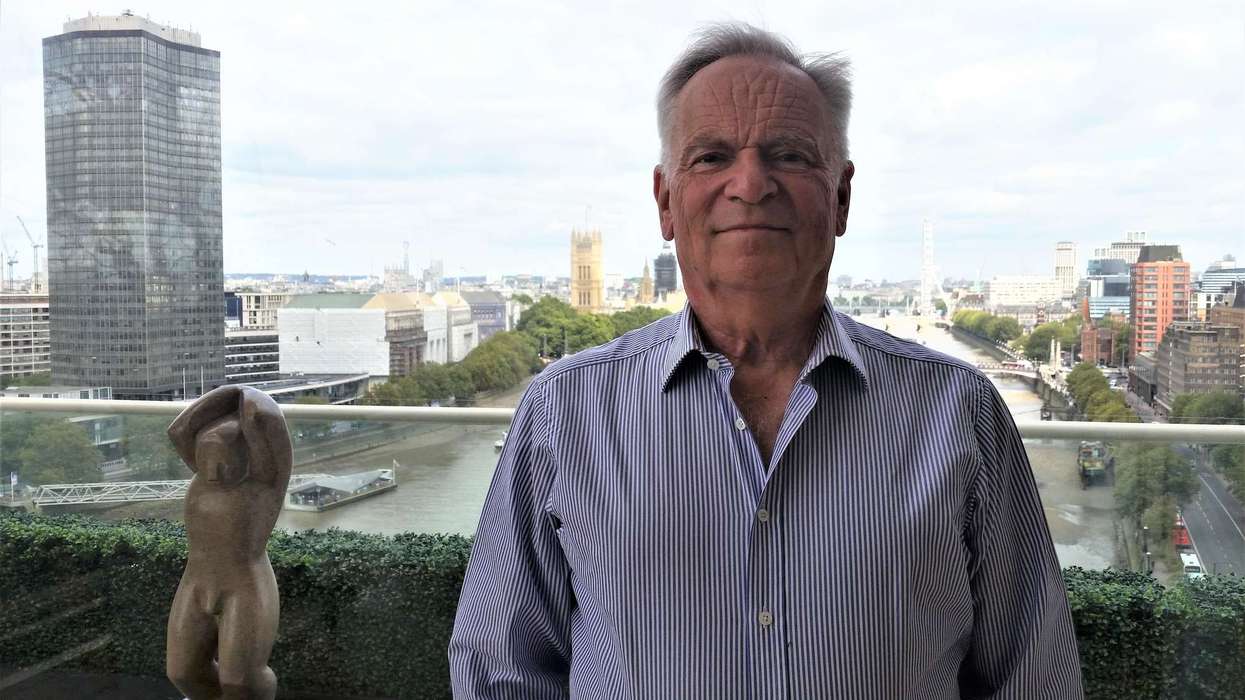
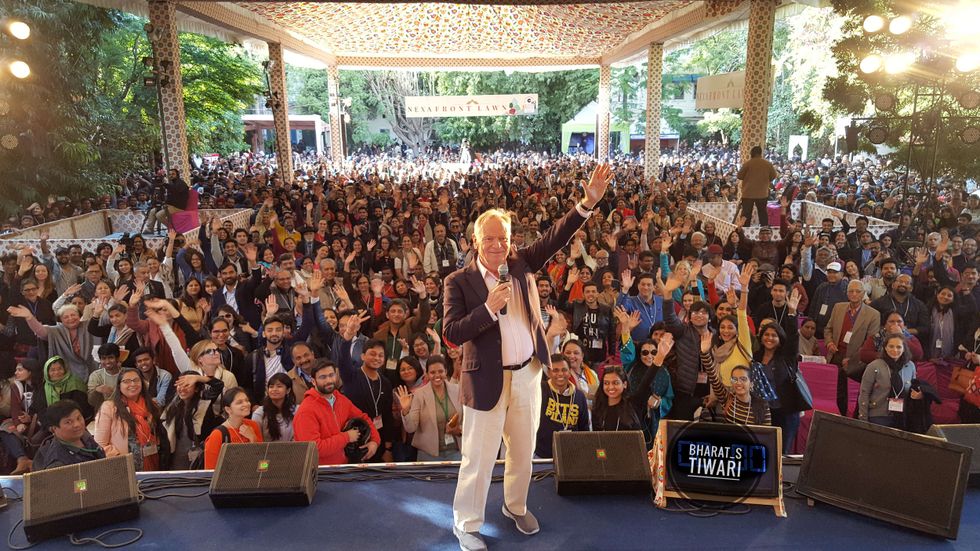 Jeffrey Archer at Jaipur Literary Festival in 2019Eastern Eye
 Jeffrey Archer part of the menuAmit Roy
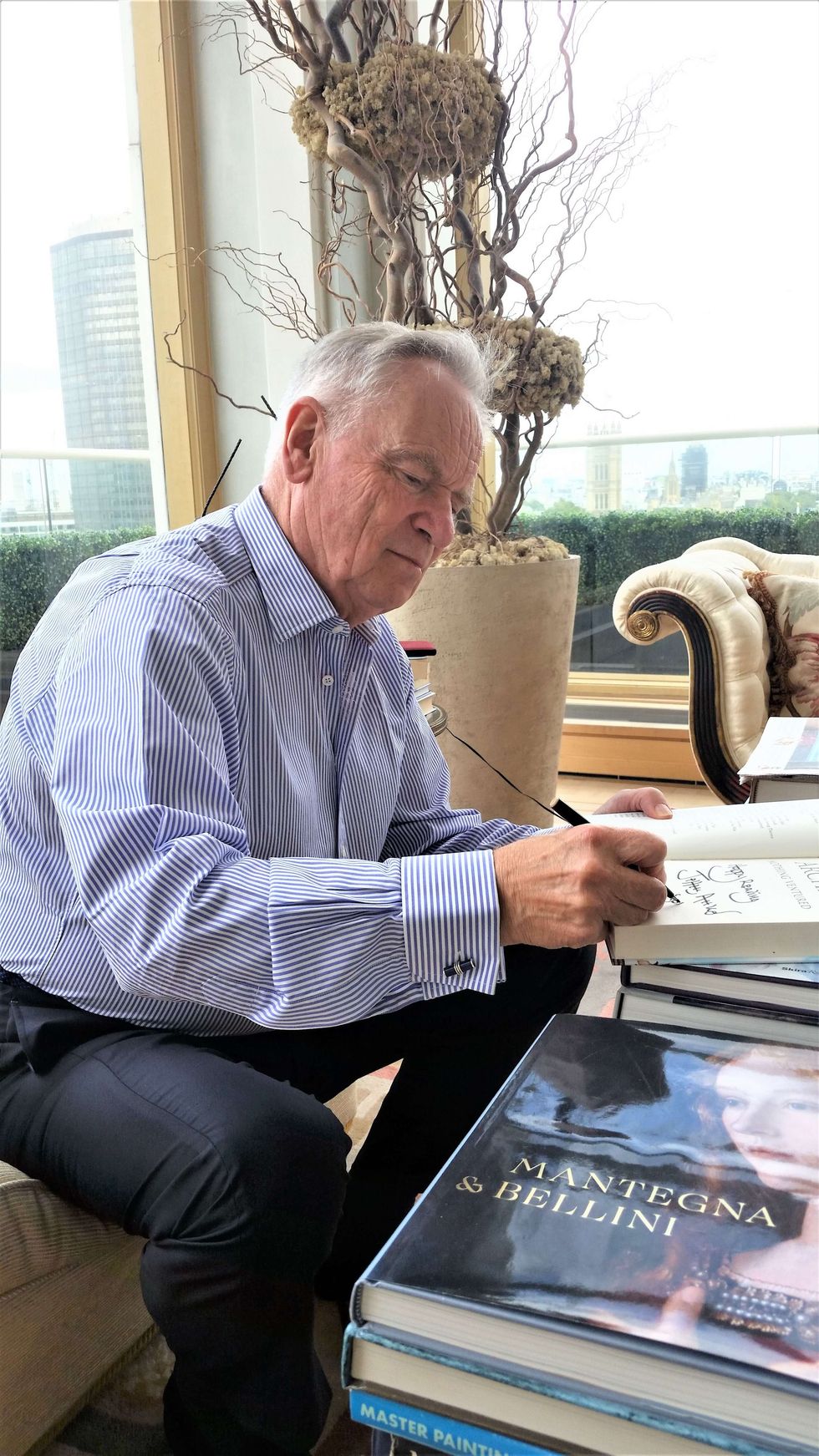 Jeffrey Archer signing a book Amit Roy
 Jeffrey Archer with Sharmila Tagore and her family at an auction dinner in London in 2013Eastern Eye
 Jeffrey Archer Eastern Eye
 Cover of one of his booksEastern Eye