
AS MANY AS 9,909 Indian Army servicemen from the First World War have been added to the official casualty records of the Commonwealth War Graves Commission (CWGC), marking the largest single addition since the Second World War, the organisation announced on Monday (6).
The names had been missing from the CWGC's records for more than a century after a decision by the British Indian government at the time denied the men war graves status, meaning their details were never passed to the Commission.
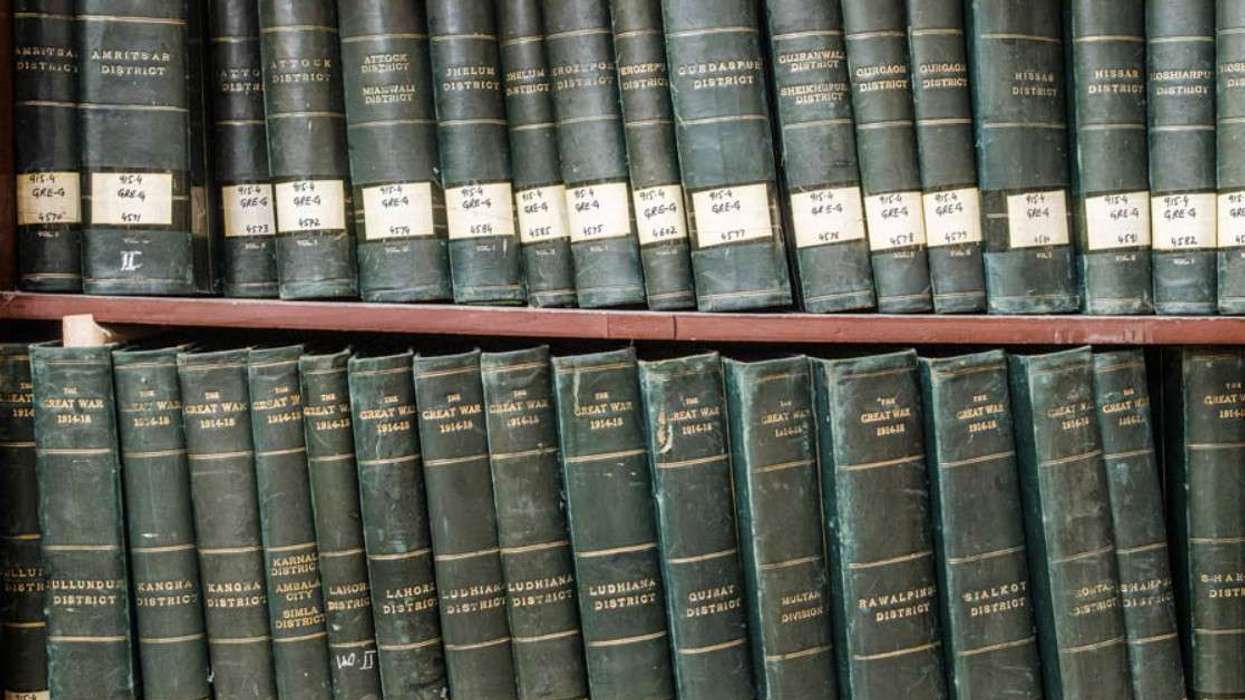
The finding emerged from the Punjab Registers project, a five-year partnership between the CWGC, the UK Punjab Heritage Association (UKPHA) and the University of Greenwich. Researchers digitised and analysed a rare collection of documents held at Lahore Museum containing the names and service details of around 320,000 Punjabi recruits who served during the war.
Established in 2021, the Punjab Registers project has so far identified more than 20,000 additional names for commemoration. The registers, preserved at the Lahore Museum in Pakistan for more than a century, have proved crucial to the research.
Major Jay Singh-Sohal OBE VR, trustee of the Commonwealth War Graves Foundation and a long-term adviser to the CWGC, said the development was significant for descendants and for all who cared about the Indian Army's contribution during the First World War.
He told Eastern Eye: "For more than a century, the contribution and sacrifice of these men was missing from the official record. Many came from communities such as my ancestral town, with deep traditions of service, be they Sikh, Muslim, Hindu or Christian from pre-partition Punjab.
"These soldiers are now part of the permanent record, and families can finally see their service properly recognised. Their story can now be remembered with pride."
Among the families affected was that of Dr Inder Singh Palahey, a dentist from Leicester, who spent years searching for information about his great-grandfather, Kesar Singh. Through the Registers, he has now learned details of his ancestor's village, regiment and service.
According to him, the discovery had taken his family's story from hearsay to established fact, and knowing his great-grandfather would now be remembered meant everything to the family.
Manjinder Nagra, the first Sikh to represent England in rugby, discovered through the project that her maternal great-grandfather, Jagat Singh, had never been properly commemorated.
She said she had not expected to receive such momentous news when she attended the annual Chattri Memorial Service in Brighton, held in honour of soldiers from undivided India who died during the First World War.
Nagra said, "Learning that my maternal great-grandfather will now be officially recognised on the CWGC casualty database was incredibly moving and overwhelming. To know that his service and sacrifice are finally being properly acknowledged means so much to our family over 100 years on. After all these years, he is finally being given the honour, dignity and remembrance he always deserved."
Other newly commemorated soldiers include Sepoy Hazari, a Hindu soldier from Gannaur in Rohtak, Haryana, who died at home during the influenza pandemic in June 1919, and brothers Chanun and Mohd Jawan of Narar in Rawalpindi, Pakistan, whose brother Sepoy Punnu Khan had previously been commemorated after his death during the Mesopotamia campaign in 1917.
More than 1.4 million men from the Indian Army served on all major fronts during the First World War, with around half a million recruited from Punjab. Research led by the CWGC's official historian, Dr George Hay, found that most of the missing casualties were men who died in non-operational zones within India during the war and were therefore excluded from formal commemoration under the historical ruling.
He said, "Adding these 9,909 Indian Army servicemen to our records is about more than record-keeping. It is about ensuring all those who died in service in the First World War receive the recognition they deserve, and ensuring the global reality of that conflict is properly reflected in commemoration."
George Williams, a History PhD student at the University of Greenwich supported by a CWGC scholarship, led the identification of nearly 16,000 casualties listed in the Registers, working with a team of volunteers, including undergraduate students.
Amandeep Madra, chair of the UK Punjab Heritage Association, said the men had never been commemorated not because they had failed to serve, but because a decision taken a century ago had excluded their sacrifice from the record. He said putting this right meant giving families around the world their history back.
CWGC director general Claire Horton CBE called the project a landmark moment in the Commission's mission, adding that the recovery of these names helped restore missing chapters in family and world histories.