
More than 280 older residents have completed a digital skills programme run by the Brent Indian Community Centre (BI-CC), as the charity seeks to address digital exclusion among seniors in northwest London.
The "Smart Phones & Tablets Made Easy for Seniors" programme, supported by The National Lottery Community Fund and Brent Council's Neighbourhood Community Infrastructure Levy (NCIL) Fund, teaches older people how to use smartphones and tablets to access essential online services and communicate with family and friends.
BI-CC said the programme will continue for a further two years, with six additional training groups planned.
The initiative began as a two-year project funded by Brent Council's NCIL programme before receiving National Lottery funding that enabled it to be extended by four years. Organisers said demand has continued to outstrip available places, with most new participants joining through referrals from previous learners.
Since the first National Lottery-funded course began on Oct. 14, 2024, BI-CC has completed six training groups.
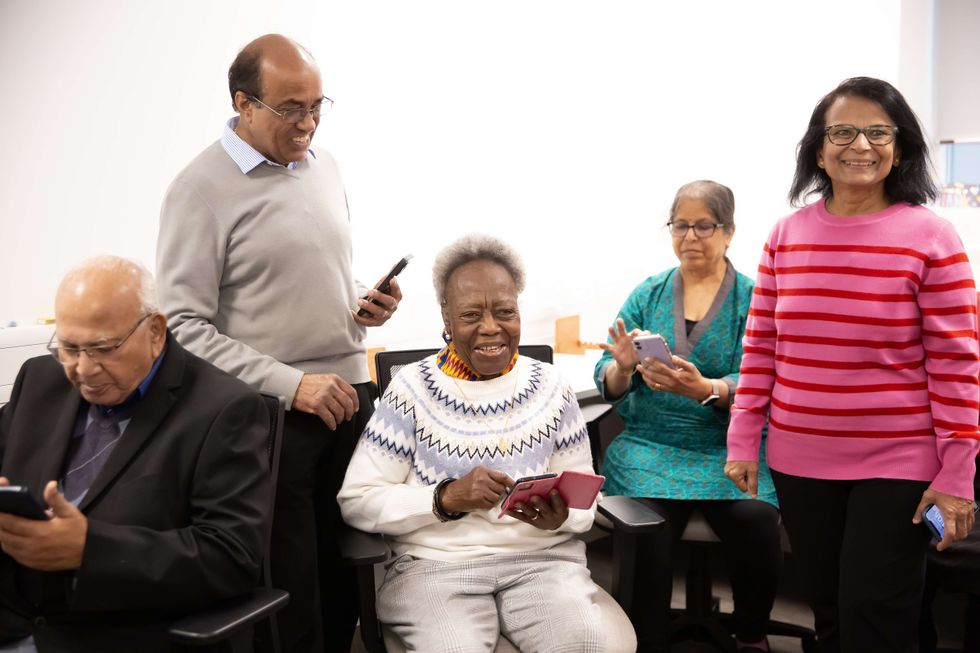
The 10-week course is designed for older people with little or no previous experience using digital devices. Participants receive tablets through the programme and are taught how to connect to Wi-Fi, use apps, make video calls, access NHS and council services, use public transport applications, manage their devices and recognise online scams, including those involving artificial intelligence.
The course also introduces participants to government emergency alerts, digital security, and mind games and puzzles intended to encourage continued learning.
According to BI-CC, participants have used the training to book NHS appointments independently, communicate with relatives through messaging and video calls, carry out everyday online tasks and improve their awareness of online fraud.
The average age of participants is 71, with some learners aged 83. The programme has also attracted retired professionals, including former doctors, organisers said.
Participants continue to receive support after completing the course through WhatsApp, telephone assistance and online refresher sessions for up to five years.
Raj Mistry, who leads the programme, said demand remained high and that former participants now volunteer as support teachers, providing one-to-one assistance to new learners.
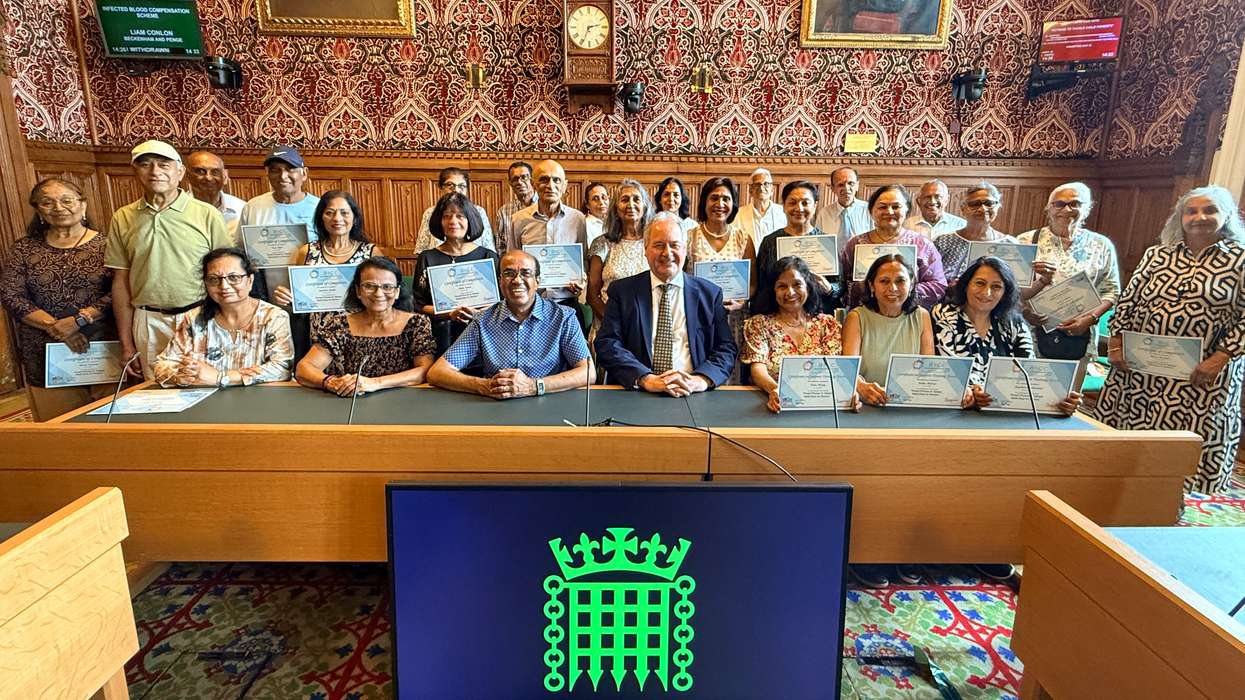
The latest group of participants received completion certificates during a visit to the House of Commons, where they were presented by Conservative MP Bob Blackman.
 Participants continue to receive support after completing the course through WhatsApp, telephone assistance and online refresher sessions for up to five years.Kamal Rao
"It was a real pleasure to welcome members of the Brent Indian Community Centre to the House of Commons and to present completion certificates to learners who have successfully finished the Centre's 'Smart Phones and Tablets Made Easy for Seniors' course," Blackman said.
He said that more than 280 people had now completed the programme and described digital skills training as increasingly important in helping older people access services, remain connected with family and friends, and reduce social isolation.
BI-CC said it plans to continue expanding its digital inclusion programme over the coming years with support from The National Lottery Community Fund.