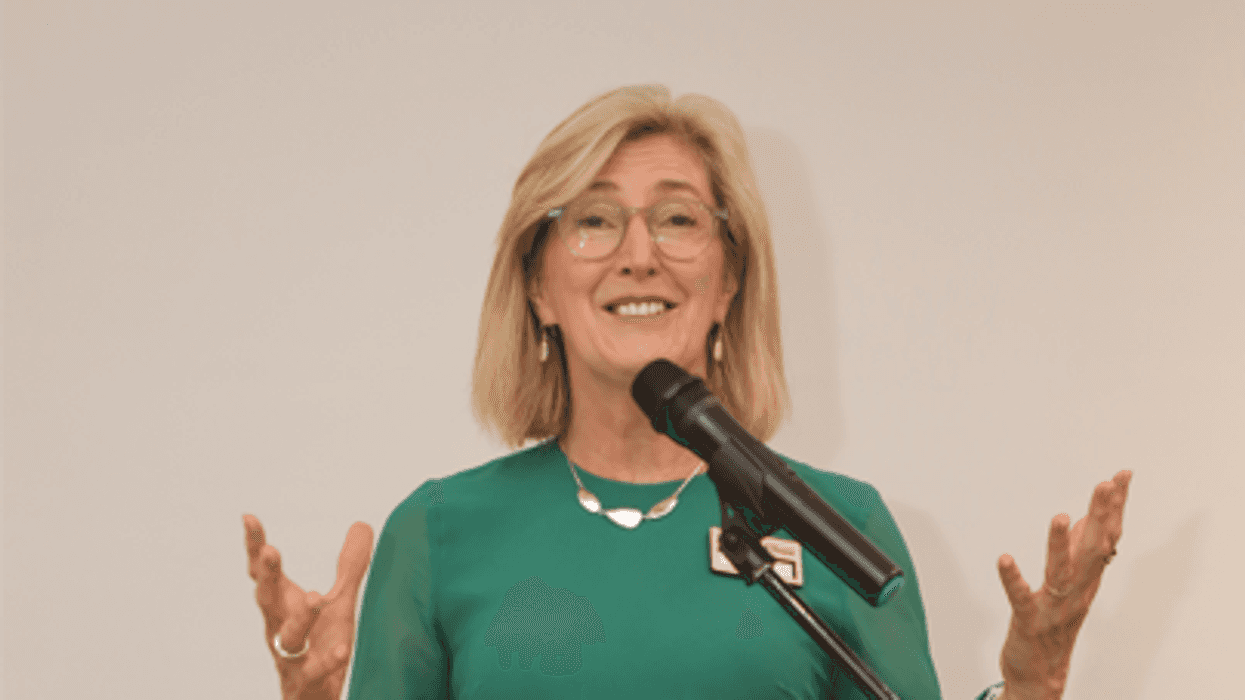

HILARY MCGRADY, who has worked for the National Trust for 21 years and been its director general since 2018, has won high praise for her efforts to “move the dial” in seeking closer engagement with the British Asian community.
Shailesh Solanki, executive editor of Eastern Eye, said: “Hilary McGrady has led the Trust with quiet determination, courage and a clear sense of moral purpose. Under her leadership, inclusion has moved from aspiration to action.”
He was speaking last Wednesday (20) at an event organised by the Asian Media Group, where prominent British Asians met McGrady and her senior colleagues to explore ways of helping the Trust become a more inclusive organisation.
Solanki told guests at London’s Courthouse Hotel that the Trust “is Europe’s biggest conservation charity, caring for more than 890 miles of coastline, over 250,000 hectares of land, 500 historic houses, castles, parks, and gardens, and nearly a million works of art”.
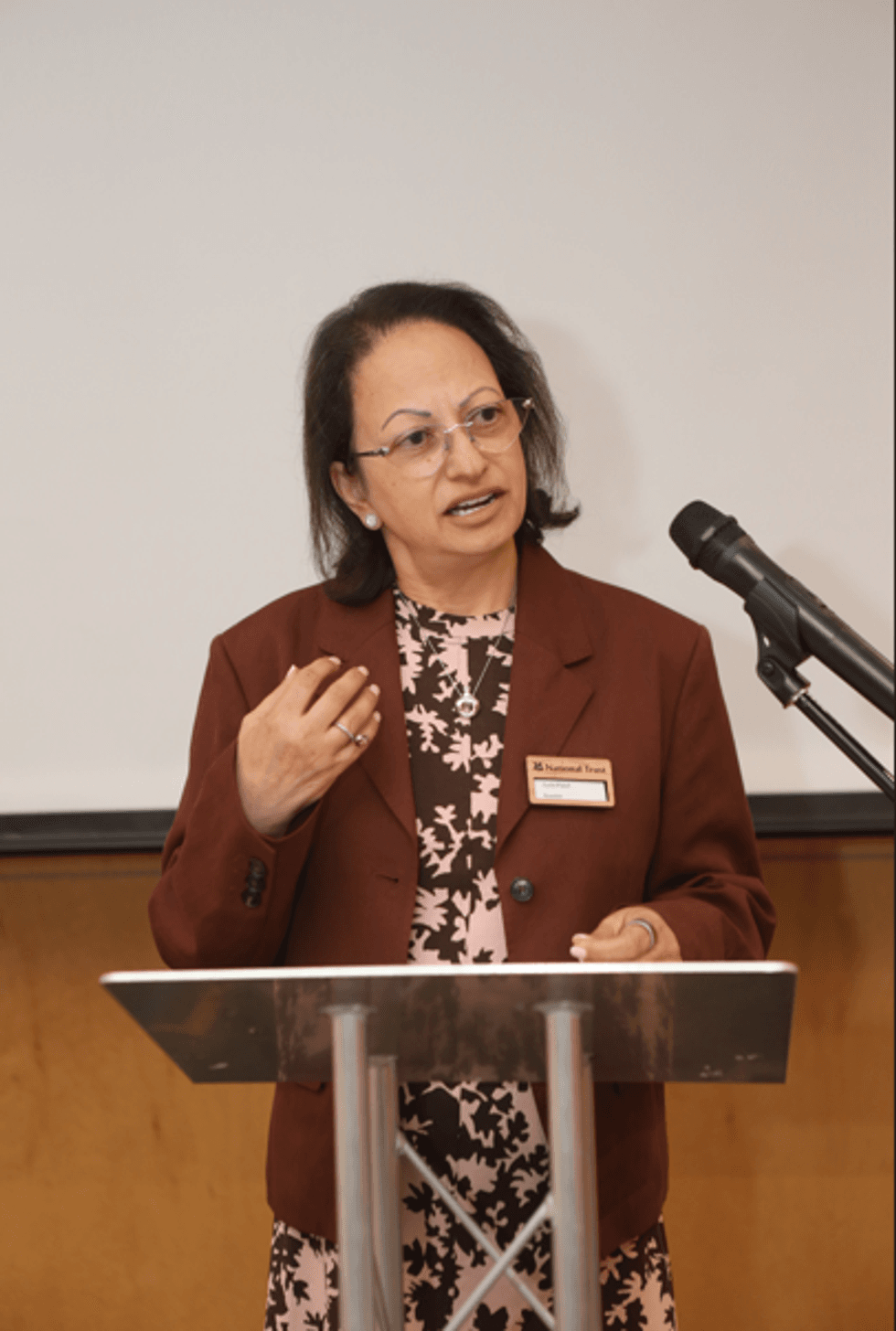 Zarin PatelNational Trust
He added: “The Trust has made a bold commitment under its ‘Everyone welcome’ agenda. It is working to end unequal access to nature, beauty and history, to restore nature for all, and to inspire millions of people to care for what we collectively own as a nation. The history of the south Asian community is also deeply woven into many of these places.”
Addressing influential British Asian leaders, he emphasised: “The message of this evening is simple. The National Trust warmly welcomes ethnic minorities to visit, to volunteer, to work, and to lead.”
McGrady revealed her efforts to make the Trust more inclusive “has attracted a lot of criticism, but that’s okay, because we are here for everyone”.
“That’s what I want your help with this evening,” she told the assembled British Asian leaders.
The Trust, which currently has 5.4 million members, probably would have reached six million, had it not been for Covid. Although it was successfully commercially, she felt “embarrassed” it was not reaching all sections of British society.
“Fewer than three per cent of our staff are people of colour,” she said. “We reckon less than five per cent of the people that visit our places are people of colour.”
She reasoned securing closer engagement with British Asians would help create a more harmonious society.
She said: “I’m from Northern Ireland and have spent a lot of my career trying to figure out access to nature, culture, beauty. These are the conditions in which people come together, the conditions in which people find common ground.”
She continued: “I should be responsible for finding space for people to feel welcome, to feel as if this history, this heritage, this beautiful place is for them as much as it is for everybody else. We’ve been on a mission for quite a while now to try to really move those ambitions forward, and we’ve been doing all sorts of really good work, actually a huge programme around inclusion to ensure that our staff feel confident and can genuinely welcome people of colour.”
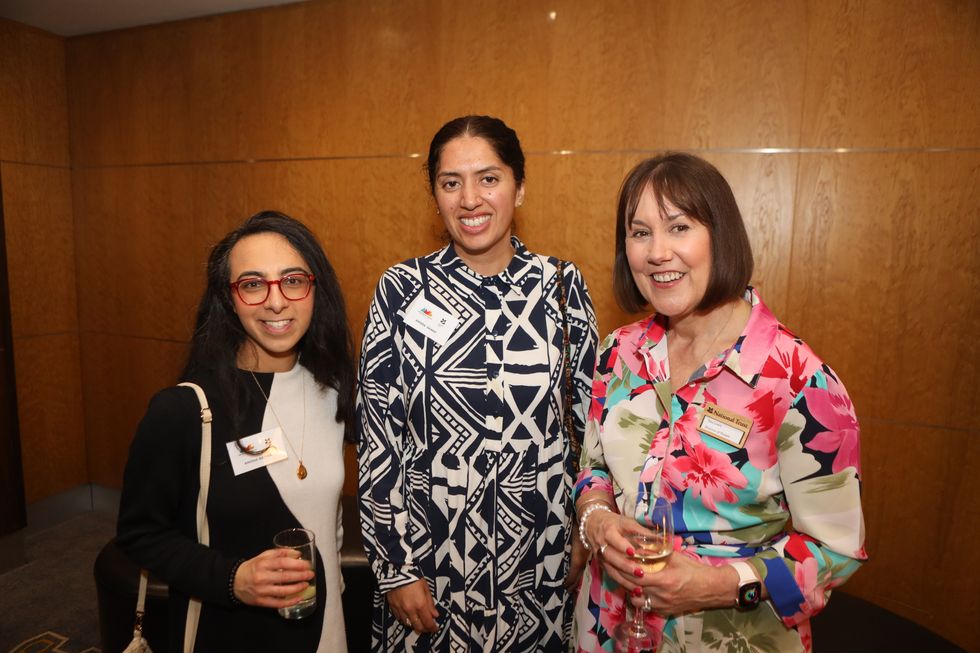 Anisha Bathia, Amara Sharif and Tina LewisNational Trust
The Trust’s apprentice schemes have been “specifically directed to try to bring particularly young people in from more diverse backgrounds. We’ve been doing loads around recruitment. How do we get people to even know that we are here as an employer?”
Sometimes a new recruit might feel “‘I’m the only person of colour in the room and I don’t feel comfortable’”. Admitting to feeling “frustrated”, she said she was “a woman who likes to get things done, and that dial isn’t moving for me”.
What had been effective had been “using our properties to talk to people of colour in their own language, in their own context, and speak to the culture. We’ve done a series of work programmes around Diwali. We’ve had eight celebrations.”
Sometimes, painful stories attached to properties had been told. She referred to Powis Castle in Wales, which was subsidised by Robert Clive of India, and to Osterley Park in west London, which is currently holding the Karun Thakar textile exhibition.
Nearly a hundred Trust properties had been “built on the back of empire” or the slave trade, and the organisation had been “really purposeful” in revealing the sources of the wealth or stories of people who worked “downstairs” as servants.
McGrady was followed by Zarin Patel, a former CFO of the BBC, who has been a National Trust trustee for seven years. It took three invitations before she agreed to become a trustee, partly because she felt she was “not posh” enough or a member of the landed gentry. She admitted it was her own “bias” which had kept her out. A member of the Zoroastrian faith, she came to Britain at the age of 11 or 12 as the child of first-generation immigrants from Kenya.
It was visiting Osterley Park, which was near where her family lived, that had eased her transition into life in a new country. She had now been in the country 50 years, and it was her hope that in another 50 years, the grandchildren of Asians in the room “will be saying exactly the same thing” about how visiting Trust green spaces and heritage sites had also helped them feel part of this country.
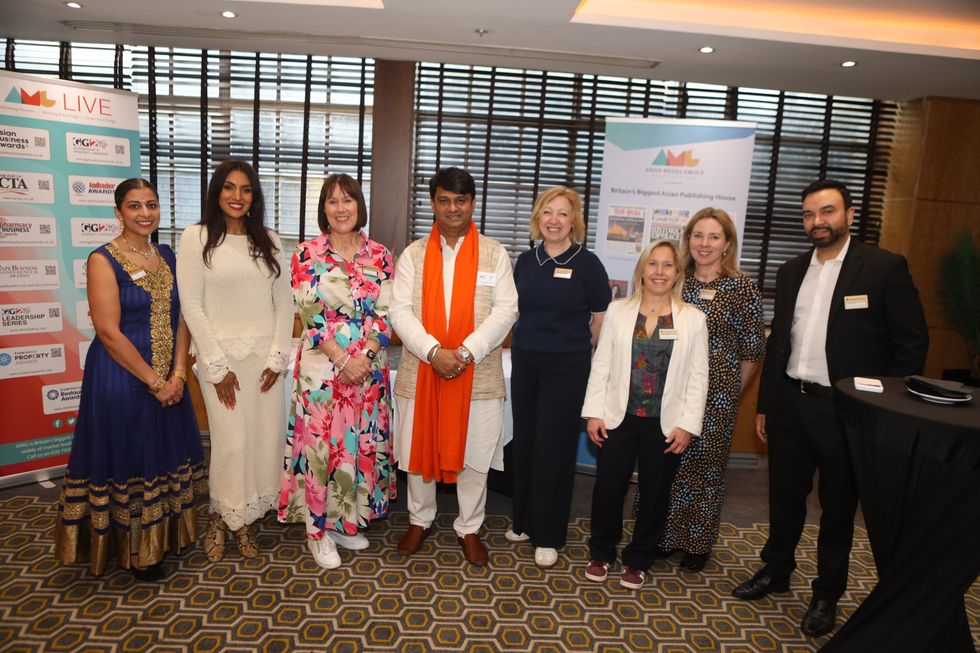 Anjana Khatwa, Nisha Nath, Tina Lewis, His Holiness Shri Rajrajeshwar Guruji, Tracy Ogden-Davies, Sian Griffiths, Jo Jarvis and Mukith Miah at the National Trust eventNational Trust
She was an active trustee, who believed “inclusion does not happen by good intention alone. It happens by sustained commitment from the people who set the culture and have the power. This is active stewardship, not passive endorsement. And so I want to end with a direct ask. If you are in this room, you have reach into communities, into media, into networks that the National Trust does not yet freely connect with. We need that, not just ticking a box, but as a genuine partnership to make our properties, our landscapes, and our story feel as much yours as anyone else’s. Bring us your feedback, bring your communities, bring your expectations. We are listening, and one thing I know about the Trust (is) it’s at its best when the widest range of people feel that ‘it belongs to me’, because it does.”
She said: “My lived experience as an ethnic minority matters too. I can offer an authentic voice. I can help colleagues see our strategy from different perspectives that are not always in the room. I don’t think that’s a soft contribution. It is a strategic one.”
Those who had come from the Trust with McGrady and Patel included: Tina Lewis, director of people; Clare Lewis, head of people resourcing; Simran Sandhu and Tracey Ogden-Davies, both philanthropy relationship managers; Anjana Khatwa, head of inclusion and belonging; Jo Jervis, business services coordinator; Mukith Miah, volunteer and participation specialist; Nisha Nath, head of brand marketing; and Sian Griffiths, resourcing specialist.
Former foreign office minister, Lord Tariq Ahmed, acted as master of ceremonies as McGrady and Patel answered questions from among others, the broadcaster and presenter, Nihal Arthanayake (“Why should the Asian community care about the National Trust?”); and Dr Chaand Nagpaul, former chair of the BMA council (he suggested the Trust should promote the health benefits of visiting green spaces).
Ramesh Mehta, who set up BAPIO (British Association of Physicians of Indian Origin) in 1996, said: “I’m retired for last 10 years. I have time to go in the nature. What I have realised that this country is the most beautiful country in the world. Having gone through and travelled many, many countries, we don’t utilise the beauty of this country.”




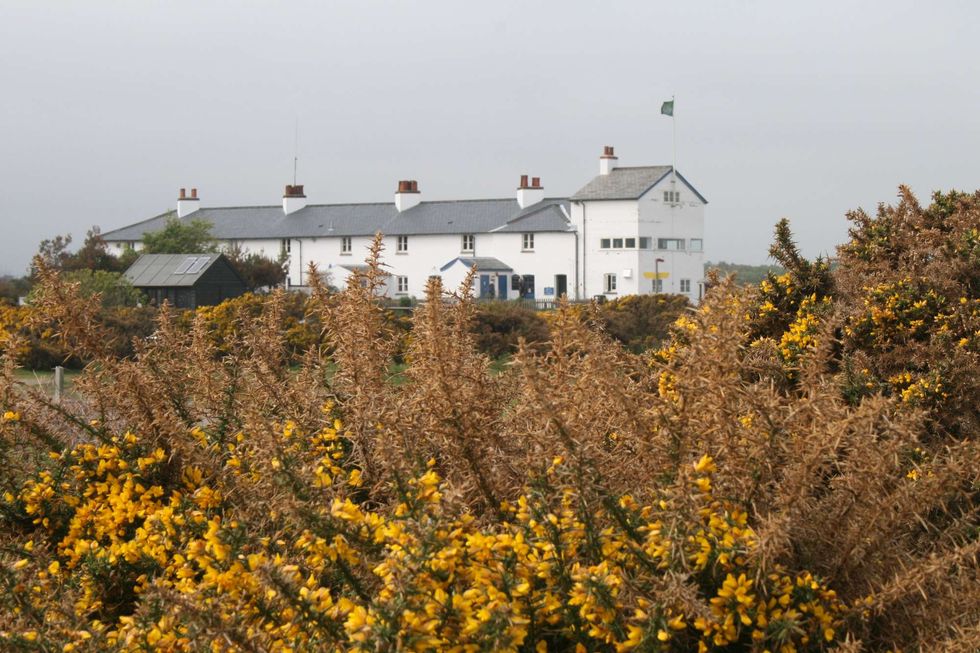 Western gorse in bloom near the cottages before the fire National Trust/Daniel Payne
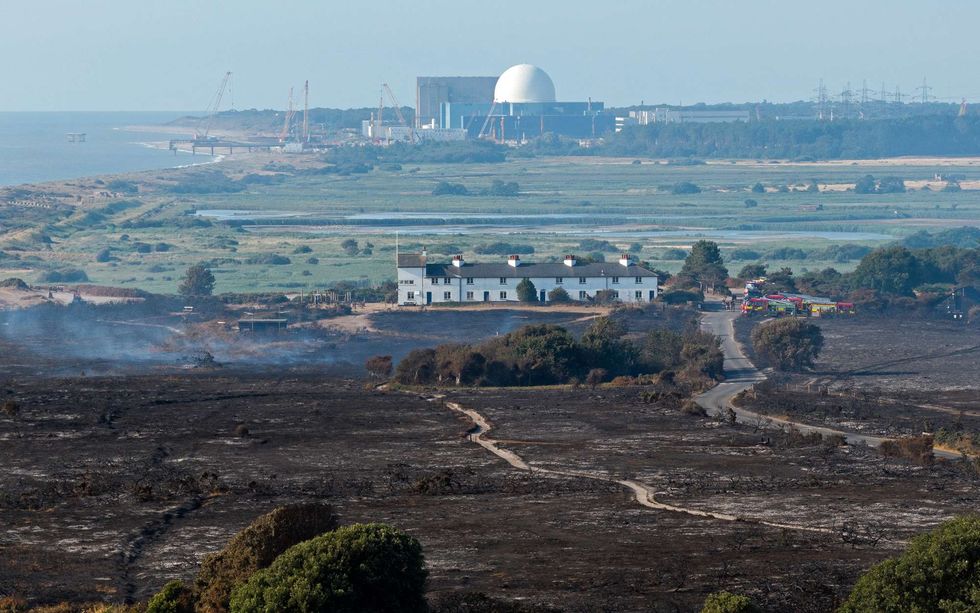 Scorched heathland in front of the Coastguard Cottages, with Sizewell B nuclear power station in the background Toby Shepheard/AFP via Getty Images
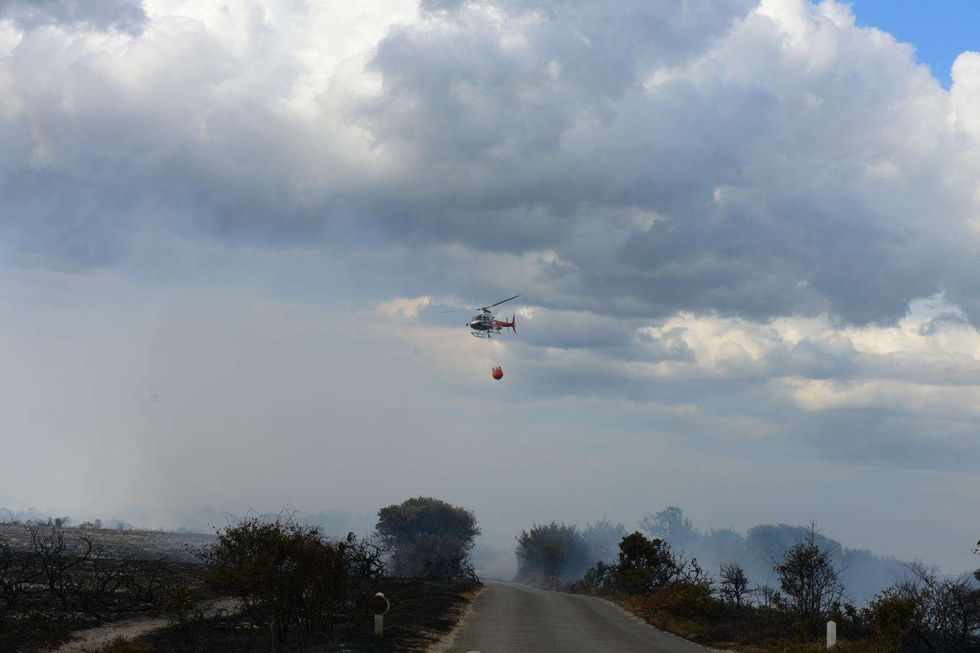 A helicopter helps contain the blazeSuffolk County Council
 The heathland before it was devastated National Trust/Justin Minns