
MPs have called for financial penalties against the government if it fails to speed up compensation for victims of the Post Office Horizon scandal. The business and trade select committee has criticised the slow pace of payments, urging the government to implement binding timeframes and impose penalties for delays.
The committee's report, released one year after the ITV drama Mr Bates vs The Post Office drew public attention to the scandal, highlighted that only £499 million of the £1.8 billion set aside for compensation has been paid out so far. Of the claims made by sub-postmasters, 14 per cent of those who applied before the 2020 deadline are still waiting for resolution.
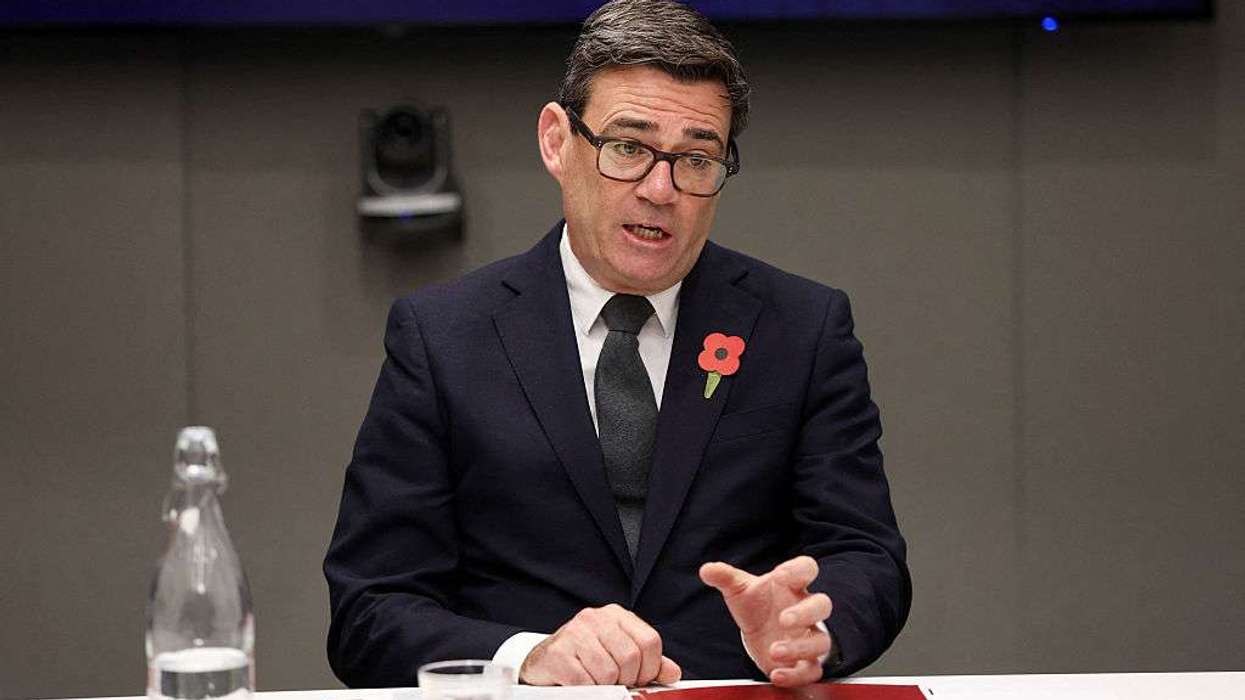
Liam Byrne MP, committee chairman, expressed frustration at the process. “The fault lies with the Post Office, but ultimately, the government, as the shareholder, must act,” he said. Byrne also criticised the legal fees being paid out to administer the compensation schemes, noting that £136m had gone to legal costs, a significant portion of the compensation budget.
“The legal bill appears to be racking up all the time, and the whole thing is just, frankly, out of control," Byrne continued. He added that for every £4 spent on compensation, £1 is going to legal fees, raising concerns that lawyers, not victims, are benefiting from the process.
The committee has recommended that the Post Office be removed from overseeing the compensation schemes due to concerns about its role in the scandal and the slow pace of redress. "We believe the Post Office has lost its grip on the process," Byrne said.
He stressed that many victims, some of whom have died without receiving justice, were still waiting for compensation.
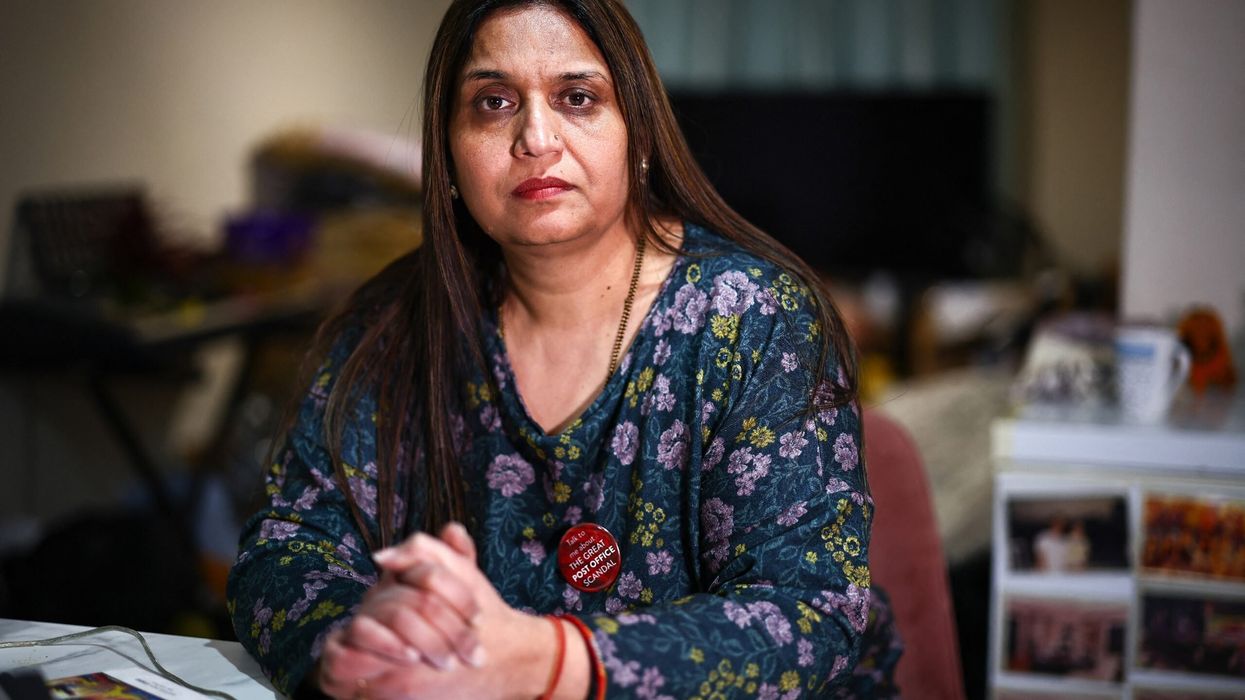
Seema Misra, one of the victims, was wrongfully imprisoned due to the flawed Horizon IT system, which falsely showed financial discrepancies.
She was released after serving part of her sentence while pregnant. Misra, who was honoured with an OBE in the King’s New Year list, commented on the injustice, saying the award acknowledged the “scale of the injustice and scandal.”
The committee’s report also calls for more transparency in the handling of legal fees and suggests that upfront legal advice be provided to victims to help streamline the claims process. Additionally, the MPs are pushing for strict deadlines for the approval of claims, with financial penalties if they are missed.
The Post Office has acknowledged the committee’s concerns, stating that it is committed to paying redress swiftly. A spokesperson for the organisation added that the government was considering taking over the administration of the compensation schemes, a suggestion supported by the committee.
A spokesperson for the government said, “We are settling claims at a faster rate than ever before, with almost £500 million paid to over 3,300 claimants by the end of November.”
Despite these claims, MPs remain sceptical, with Byrne adding that the system needs a "reboot." He stressed that, while some progress had been made, the pace of compensation was still "not fast enough" and that victims were continuing to suffer as a result.





 Curator Emma Slocombe with ikat robes and arabachi coats in the Peter the Great Room in Blickling Hall Amit Roy
 View of the entrance to Blickling Hall on a rainy autumn dayAmit Roy
 Kente cloth from Ghana in the Long Gallery in Blickling Hall
 Decoration in the Great Hall at Blickling Hall Amit Roy
 Palampore fragment made in coastal south-east India in the Brown Room in Blickling Hall Amit Roy
 Bed valance dating from early 1700s in the Italian Print Room at Blickling Hall Amit Roy
 Indian inspired fabric draped on sofas in the South Drawing Room in Blickling Hall Amit Roy
 Indian inspired fabric draped on sofas in the South Drawing Room with Indian carpet in Blickling Hall Amit Roy
 Karun Thakar has picked out the geometric patterns in the bookcase and the Kente cloth in the Long Gallery in Blickling Hall Amit Roy
 Large tapestry depicting Peter the Great defeating the Swedish army at the Battle of Poltava in 1709 Amit Roy
 ikat robes and arabachi coats in the Peter the Great Room in Blickling Hall Amit Roy
 Baghs and kanthas made by women provide contrast to the men only portraits in the Great Hall at Blickling Hall Amit Roy
 Baghs and kanthas in the entrance Great Hall at Blickling Hall Amit Roy
 Baghs and Kanthas in the Great Hall in harmony with stained glass window at Blickling Hall Amit Roy
 Kimonos reflect Japanese influence in Upper Ante Room in Blickling Hall Amit Roy
 Kimono in Upper Ante Room in Blickling Hall
 A view of the Palace and fort at Agra shows romantic side of India Amit Roy
 Blickling Hall Amit Roy
 Table carpet, European 1670-1680 Amit Roy
 Unfinished 17th century Italian embroidery in the Print Room at Blickling Hall Amit Roy
 Picture of Kashmir shows a romantic view of India Amit Roy
 A panel of Ashburnham bed hangings made in Gujarat for sale in Europe in the Brown Room in Blickling Hall Amit Roy
 Colcha made in the 1600s by women in Bengal for the Portuguese market in the Long Gallery at Blickling Hall Amit Roy