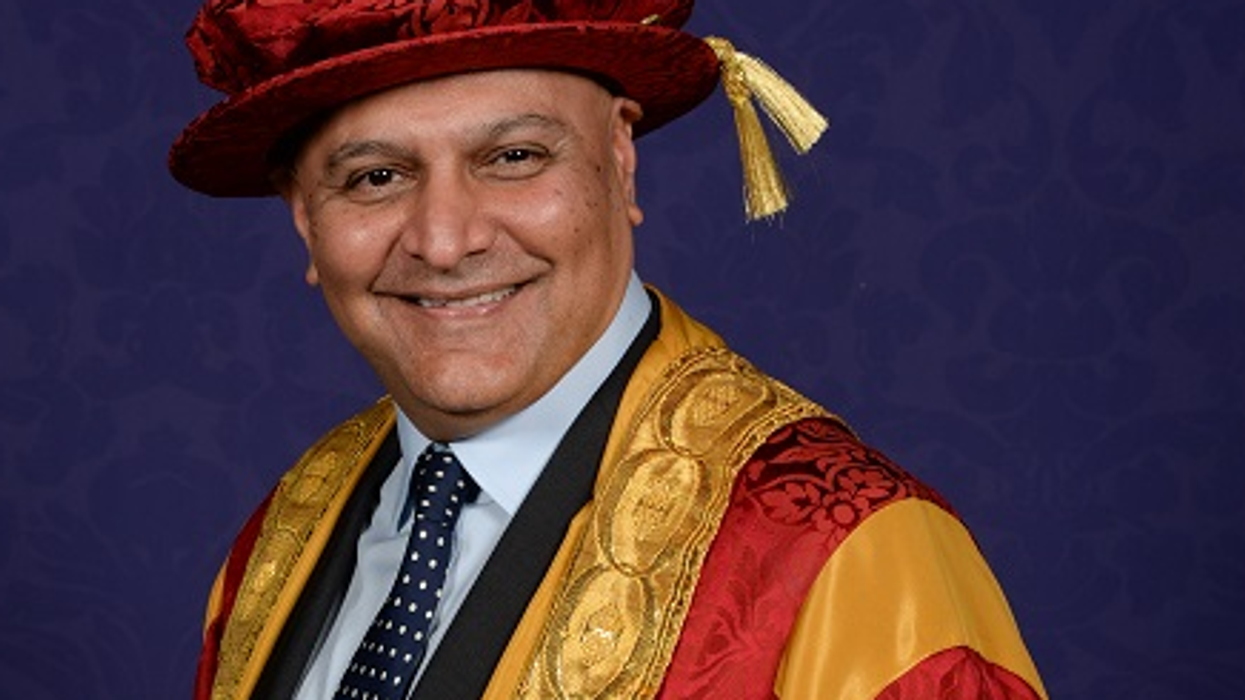
Morningside Pharmaceuticals founder Nik Kotecha has said he is looking forward to his new role as an academic at De Montfort University Leicester (DMU) to raise students’ aspirations.
With 35 years of experience in medicine and business, he is set to be made professor of entrepreneurship, innovation and philanthropy at the university where he is already working as pro-chancellor.
He was “honoured and privileged” to assume the new role, Kotecha said and added he would lead by example and show students “there is a world of opportunity out there”.
In a statement, DMU described him as “one of Leicestershire’s great business success stories” for helping millions of people around the globe with his life sciences business products.
Kotecha and his family members were among the 70,000 refugees forced to flee their homes and possessions in Uganda 50 years ago when the African country’s president Idi Amin ordered their expulsion.
But he managed to secure an honours degree in chemistry in Newcastle and obtained his PhD at Imperial College London with further doctoral research at the University of Cambridge.
He founded and led Morningside Pharmaceuticals, a Leicestershire-based manufacturer, wholesaler and exporter of medicines and healthcare products.
He developed the company into one of Britain’s leading life sciences businesses, delivering its products to the UK’s pharmacies and hospitals as well as the world’s largest aid organisations like UNICEF, WHO and the Red Cross.
He divested the business in October this year, having exported products to more than 120 countries.
“I started Morningside from a home garage 30 years ago and grew it through entrepreneurship and embracing innovation into a global pharmaceuticals manufacturer and exporter,” the entrepreneur said.
The Kotechas also established The Randal Charitable Foundation in 2017 to help improve the quality of life of those in need.
Having been in business for more than three decades, he said he had never thought he would be receiving the title of ‘professor’, although he was considering a career in academia after his education.
“To now be honoured with this title is special,” he said.
“DMU teaches many students who are in the situation I was in 40 years ago,” he said, adding that several of them were from disadvantaged families and diverse ethnic cultures.
DMU’s pro-vice chancellor and dean of the faculty of health and life sciences, Simon Oldroyd, said Kotecha’s experience in medicine, business and philanthropy and his drive to succeed and help others “will bring huge benefits to our students, academics and the wider community.”
Morningside Pharmaceuticals founder hopes to inspire students as professor
With 35 years of experience in medicine and business, Nik Kotecha is set to become a professor of entrepreneurship, innovation and philanthropy at De Montfort University Leicester.





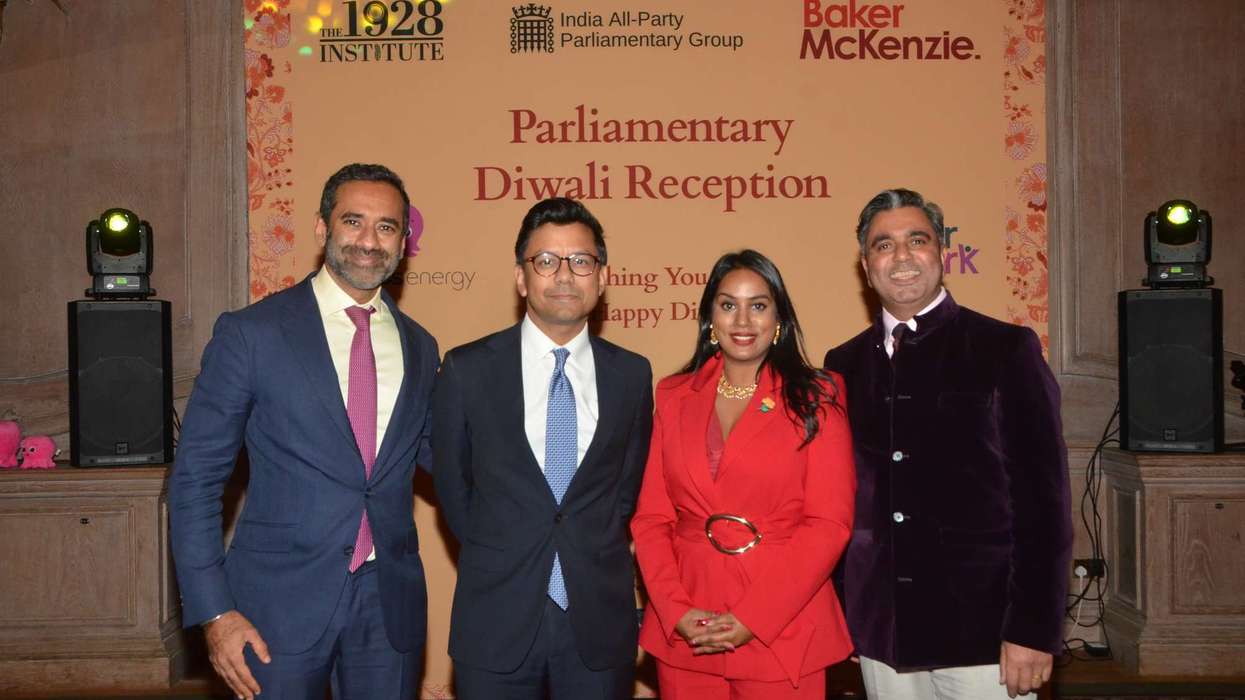
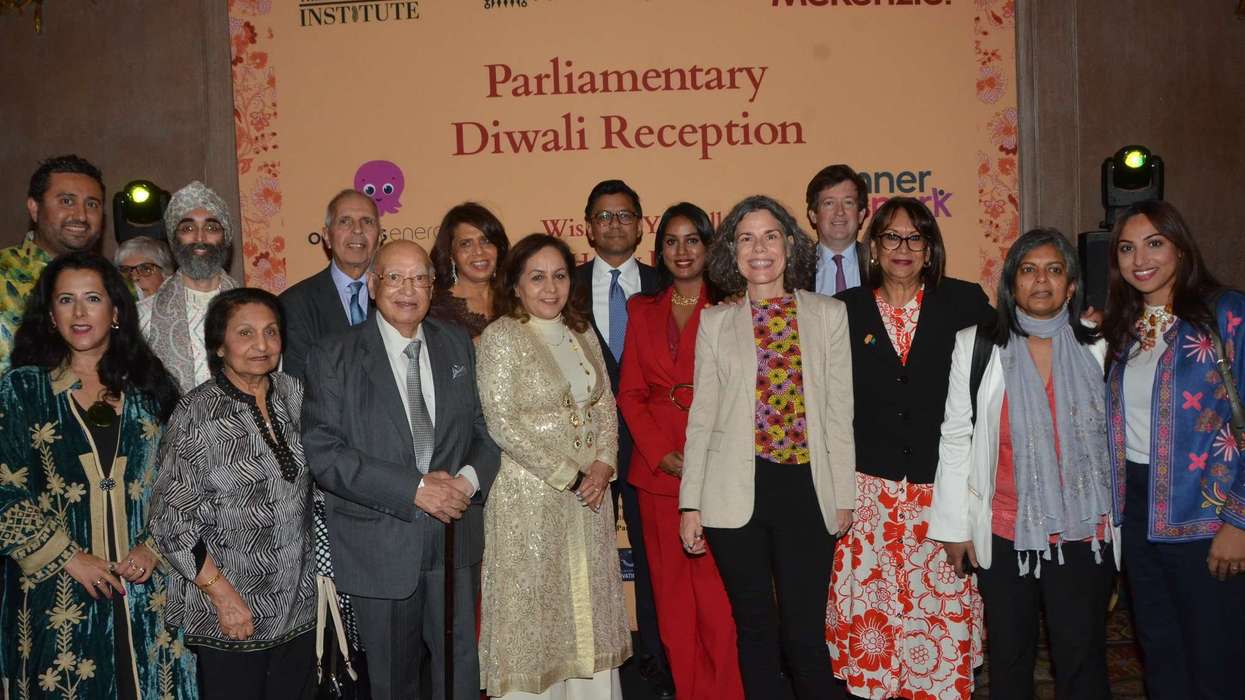 The event brought together politicians, business leaders and members of the British Indian communityAPPG India
 AI minister Kanishka Narayan with guests during the eventAPPG India