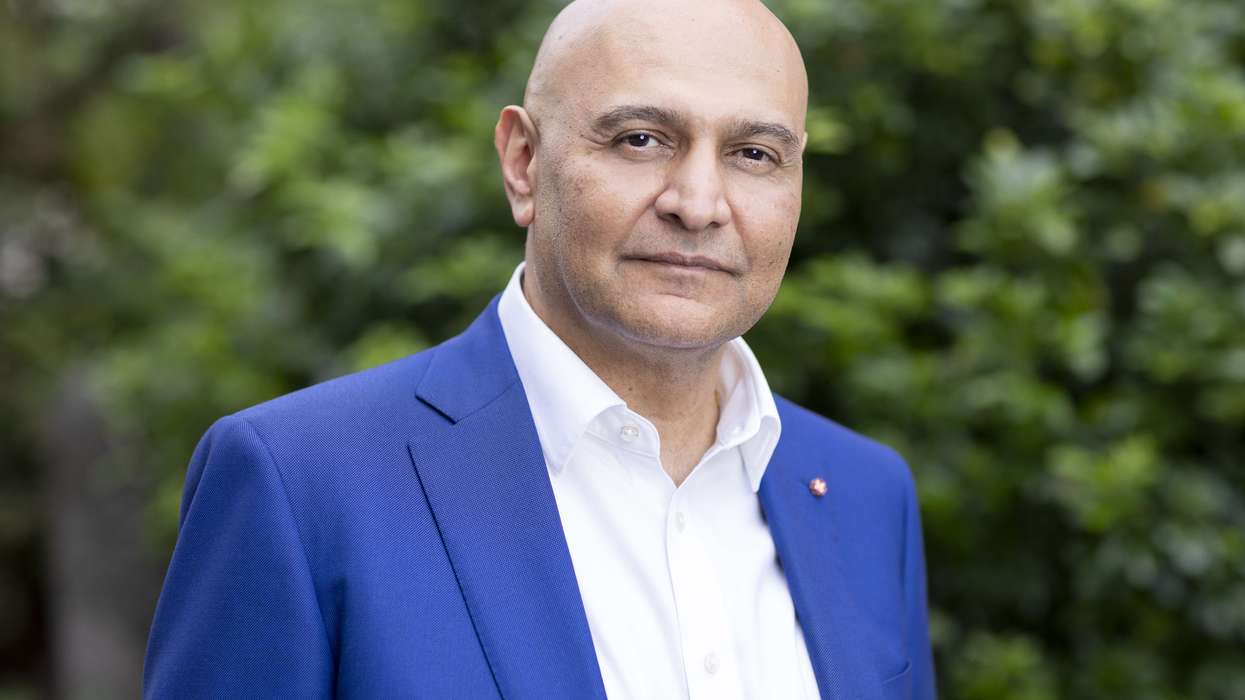

A PHARMACEUTICAL entrepreneur who built a global medicines business from a garage in Leicester has turned his attention to an equally ambitious mission: saving lives through philanthropy. Dr Nik Kotecha, once the driving force behind Midlands-based drug manufacturer Morningside Pharmaceuticals, now devotes his time and resources to the Randal Foundation, a grant-making charity he founded with his wife Moni.
For more than three decades, Kotecha was synonymous with Morningside Pharmaceuticals Limited. The company, which he launched in 1991 from his home garage, grew under his leadership into a global supplier of medicines, exporting to more than 120 countries. Yet in 2022 he made a decisive shift, selling the company that had defined his entrepreneurial life and immersing himself in the work of the Randal Foundation, established in 2017.
For Kotecha, philanthropy is deeply rooted in personal history. His family arrived in the UK from Uganda with little, part of the wider displacement of Asians from East Africa in the 1970s. “By god's grace, I have now been provided an opportunity to help people,” he later reflected.
The Randal Foundation’s core mission is starkly simple: saving lives. Through grants to charities and non-governmental organisations, the foundation supports projects in the developing world aimed at alleviating poverty, combating the trafficking of women and children, and improving healthcare, sanitation and access to clean water.
Kotecha believes the timing of such work is critical. With international aid under pressure – from reduced commitments by governments and funding gaps affecting NGOs – private philanthropy, he argues, has become even more vital. The foundation has also expanded its reach through international partnerships. As a global ambassador for EMERGENCY, the Milan-based humanitarian NGO delivering specialist clinical care in some of the world’s most challenging regions, he is supporting a three-year initiative worth €1.8 million (£1.5m) aimed at saving more than 90,000 lives.
In the UK, the foundation takes a more targeted approach, working with organisations that address social challenges often hidden within a wealthy country. Kotecha notes that despite Britain’s status as a developed economy, pockets of extreme poverty still exist.
In the past year alone, the foundation has worked with 10 community foundations to support more than 70 grassroots charities delivering projects in their local communities. Additional investment planned this year is expected to extend that support to as many as 200 further organisations across the Midlands, Wales, Northern Ireland, Yorkshire and as far south as Devon.
Mental health is one of the areas the foundation supports, particularly organisations working to prevent suicide. One charity partner operates helplines that receive large numbers of calls from people in distress. Measuring the impact of such work requires careful judgement. “If a victim later calls emergency services, we consider it a life saved and allocate grants accordingly,” he explained.
The foundation also supports prisoner rehabilitation programmes designed to reduce reoffending. Kotecha sees such work not merely as social policy but as another way of saving lives – by preventing cycles of crime, addiction and despair.
Ultimately, Kotecha has set an ambitious benchmark for success: saving one million lives. The target, he believes, is achievable. Indeed, he hopes to surpass it within his lifetime, describing the goal as “very doable”.
His policy engagement extends further through the Centre for Social Justice, where research initiatives he has helped shape have examined issues such as addiction and recovery. One such programme contributed to the UK government committing a record £780m to rebuild the drug treatment system as part of a 10-year national strategy.
He also serves as a trustee of The King's Trust, the youth charity founded by King Charles III, and now chairs its Fundraising Advisory Board, helping to expand the organisation’s reach and impact. “His Majesty was very clear when he set this up 50 years ago. He had three objectives or 3 Es — education, to make them fit to get a job, employment, get them a job and enterprise, if they are ready to start a business,” he said.
Kotecha proudly serves as a Deputy Lieutenant of Leicestershire. In that role he undertakes ceremonial duties in the county, including officiating at citizenship ceremonies that formally welcome new citizens into the local community. For someone who arrived in Britain as a refugee with his family as a young child, it is a responsibility he undertakes with particular pride.
Entrepreneurship remains a theme that runs through much of his work. Kotecha believes young people should be exposed to the realities of building businesses early in life. “Businesses should go to schools and tell them how they started their businesses,” he said, arguing that such exposure can inspire students to pursue entrepreneurial careers once they complete their education.
That perspective also informs his continued involvement in the life sciences sector. Drawing on his background in drug discovery, he mentors and supports start-ups, helping young innovators navigate the difficult early stages of building a company. “There are many bright young minds in the UK, around the world and also in India,” he said. “They have great ideas, but they don't know how to get support.”
A prominent voice within the Midlands business community, he has worked closely with organisations including the Confederation of British Industry (CBI) and regional Chambers of Commerce to support economic growth, previously chairing the CBI’s regional council. He also engages with universities and policymakers – including as an ambassador for the University of Warwick and through collaborations with institutions such as De Montfort University – helping to shape discussions around innovation, international healthcare collaboration and the development of Britain’s life sciences sector.
Looking back, Kotecha often reflects on the distance travelled since his childhood in Leicester. From a boy growing up in modest circumstances to someone who now meets the King and senior politicians, the journey has been remarkable. He describes it as a “very humbling” experience.
At such moments, he sometimes catches himself wondering: “Why am I here?”
Then comes the answer. “I know why I am here, because I have proved myself to be here.”