
An economic offender who ran one of the UK’s largest money laundering nexus and smuggled £104 million to Dubai has been jailed.
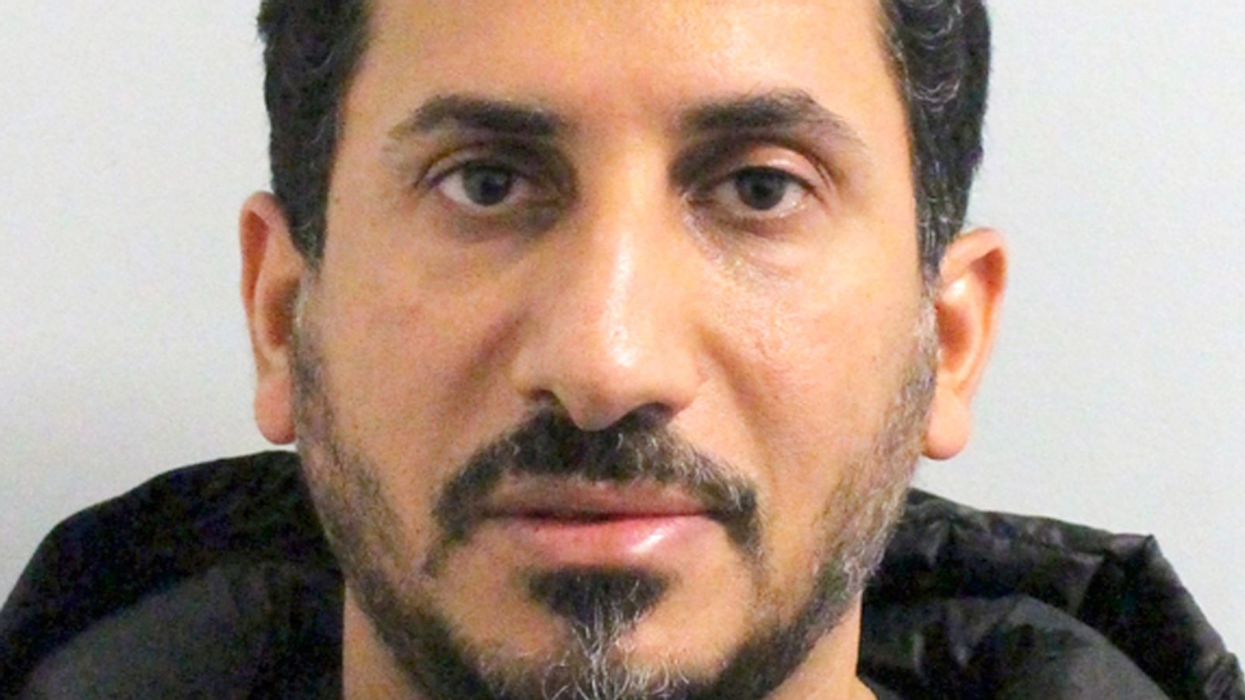
Abdulla Mohammad Ali Bin Beyat Alfalasi pleaded guilty to money laundering and Isleworth Crown Court on Thursday sentenced him to nine years and seven months of imprisonment.
The court heard that “dirty money” would be stuffed into suitcases - each with £500,000 and coffee grounds or air fresheners to mislead sniffer dogs. Alfalasi or a courier would fly out of the UK to Dubai with the cash.
They travelled business class because it allowed higher baggage allowance and their strategy also involved checking in as late as possible to avoid detection.
The racketeers would declare the money as legitimate with supporting letters from the company, Omnivest, set up by Alfalasi.
The operation came to light when Tara Hanlon, a recruitment consultant, was stopped at Heathrow Airport carrying £1.9m, Sky News reported.
It was followed by the detention of Czech national Zdenek Kamaryt with £1.3m of cash while trying to board a flight from London to Dubai.
Border Force arrested Alfalasi’s other associate, Muhammed Geyas Ilyas, who later admitted to having transported £2.5m in two trips.
National Crime Agency officers arrested Alfalasi in December last year and the recovery of three phones led to the revelation of messages between the ringleader and his associates about the collection and smuggling of the cash.
The court heard that the phones contained pictures of suitcases and the travel plans of a courier. The investigators found that Alfalasi checked in at every stage of the transportation to make sure the illicit cash reached its destination in the Middle East.
Credit cards used to buy flight tickets were also found in Alfalasi’s home.
Ian Truby, a senior investigating officer said, "cash is the lifeblood of organised crime groups which they reinvest into activities such as drug trafficking, which fuels violence and insecurity around the world.”
He said the investigation continued and efforts would be made to bring more offenders to justice.
Money laundering ringleader jailed for smuggling £104 million to Dubai
Abdulla Mohammad Ali Bin Beyat Alfalasi was sentenced to nine years and seven months of imprisonment.






 Curator Emma Slocombe with ikat robes and arabachi coats in the Peter the Great Room in Blickling Hall Amit Roy
 View of the entrance to Blickling Hall on a rainy autumn dayAmit Roy
 Kente cloth from Ghana in the Long Gallery in Blickling Hall
 Decoration in the Great Hall at Blickling Hall Amit Roy
 Palampore fragment made in coastal south-east India in the Brown Room in Blickling Hall Amit Roy
 Bed valance dating from early 1700s in the Italian Print Room at Blickling Hall Amit Roy
 Indian inspired fabric draped on sofas in the South Drawing Room in Blickling Hall Amit Roy
 Indian inspired fabric draped on sofas in the South Drawing Room with Indian carpet in Blickling Hall Amit Roy
 Karun Thakar has picked out the geometric patterns in the bookcase and the Kente cloth in the Long Gallery in Blickling Hall Amit Roy
 Large tapestry depicting Peter the Great defeating the Swedish army at the Battle of Poltava in 1709 Amit Roy
 ikat robes and arabachi coats in the Peter the Great Room in Blickling Hall Amit Roy
 Baghs and kanthas made by women provide contrast to the men only portraits in the Great Hall at Blickling Hall Amit Roy
 Baghs and kanthas in the entrance Great Hall at Blickling Hall Amit Roy
 Baghs and Kanthas in the Great Hall in harmony with stained glass window at Blickling Hall Amit Roy
 Kimonos reflect Japanese influence in Upper Ante Room in Blickling Hall Amit Roy
 Kimono in Upper Ante Room in Blickling Hall
 A view of the Palace and fort at Agra shows romantic side of India Amit Roy
 Blickling Hall Amit Roy
 Table carpet, European 1670-1680 Amit Roy
 Unfinished 17th century Italian embroidery in the Print Room at Blickling Hall Amit Roy
 Picture of Kashmir shows a romantic view of India Amit Roy
 A panel of Ashburnham bed hangings made in Gujarat for sale in Europe in the Brown Room in Blickling Hall Amit Roy
 Colcha made in the 1600s by women in Bengal for the Portuguese market in the Long Gallery at Blickling Hall Amit Roy





