
Highlights:
- A ground-breaking 1982 album combined Punjabi folk with electronic disco.
- It was made to break down gender segregation at British Asian weddings.
- Only 500 copies were ever pressed before it vanished into obscurity.
- The original master tapes were rescued just before they turned to dust.
- Its 2025 reissue finally gives a lost classic its proper moment.
Imagine a sound so ahead of its time it simply disappeared. Raw synths and a woman singing Punjabi like she was calling people to the floor. There’s anger in the story. Pride too. Mohinder Kaur Bhamra made something that did not fit then. Now it is back. Punjabi Disco was always meant to pull people into one room. To stop the quiet rules that kept women in a corner. It was a record born in West London that dared to smash traditions together, creating a revolutionary beat to get everyone dancing. Now, this lost chapter of British music is finally being heard, and it changes the story of our dance floors.
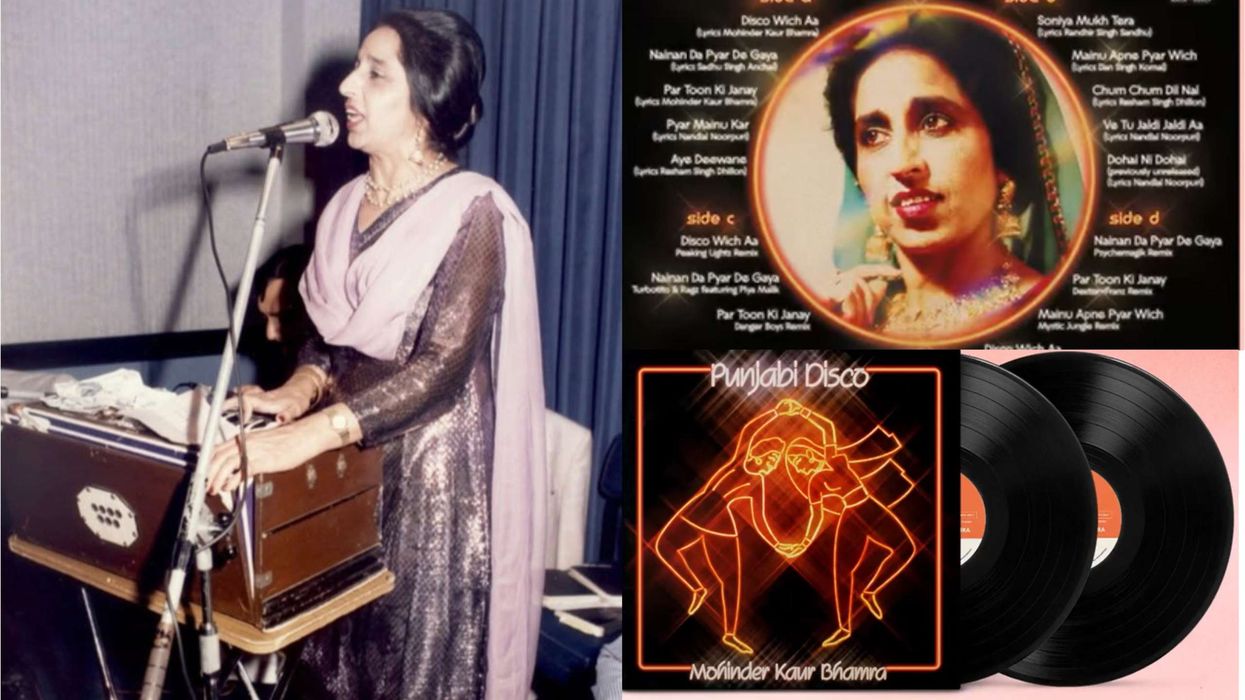
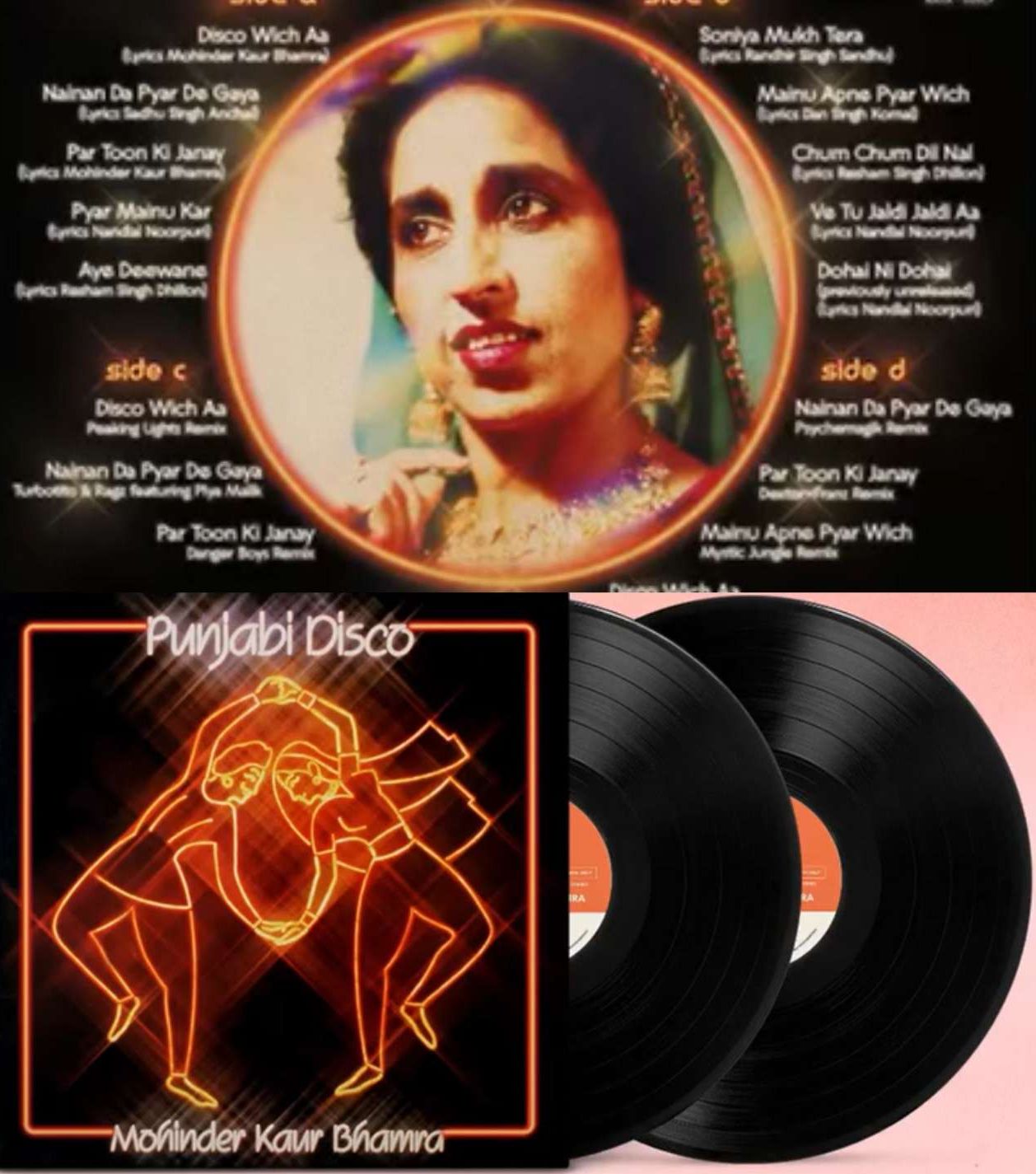 The lost ‘Punjabi Disco’ record that quietly changed UK British Asian club culture is finally back Instagram/naya.beat/mohinder.kaurbhamra
How did Punjabi Disco try to change society?
For the British Asian community in the early 1980s, racism was a constant pressure. Inside, the community held itself together, but with strict rules. At Punjabi weddings in the UK, men and women were often kept separate. The dance floor was a male space and Mohinder Kaur Bhamra had had enough. She started using her voice, her authority, to call the women in. "I felt it wasn’t fair," she said. Her son, Kuljit Bhamra, watched this and saw the power of music as a tool. He soaked up the disco energy from clubs and decided to build a new sound specifically for these new, mixed dance floors. The music was the engine for a quiet social revolution.
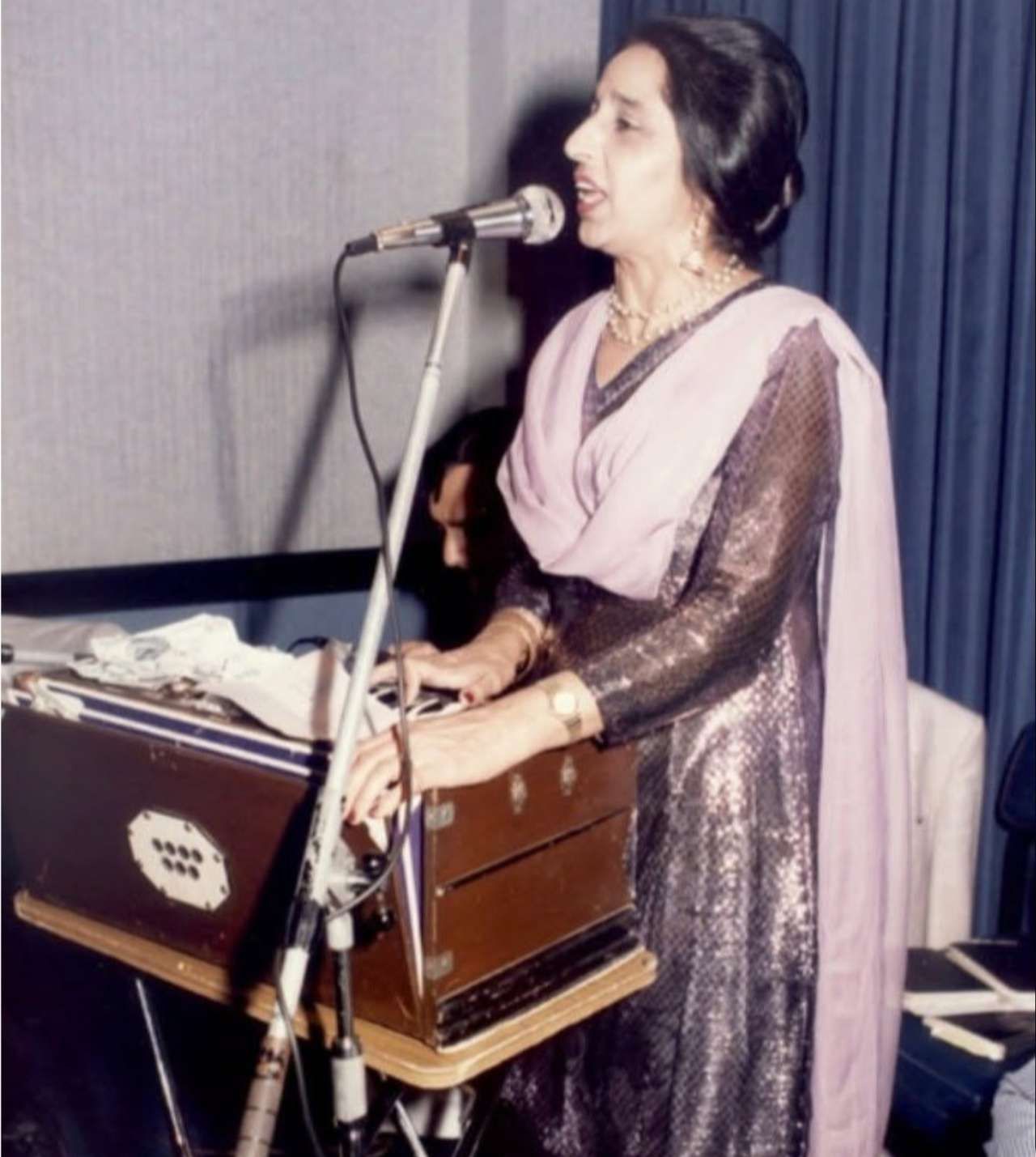 The lost \u2018Punjabi Disco\u2019 record that quietly changed UK British Asian club culture is finally back Instagram/naya.beat/mohinder.kaurbhamra
The basement sessions that built a new sound
Let’s get this straight. Kuljit Bhamra was not in a fancy studio. He was a 22-year-old with a head full of ideas, working out of his basement. His tools? A Roland SH-1000, one of the first synthesizers you could buy, and a clunky CR-8000 drum machine played by his 11-year-old brother, Ambi.
They brought in bassist Trevor Michael Georges and recorded at a small studio owned by Roxy Music’s bass player. But the heart of it was that basement. Kuljit took his mother Mohinder’s powerful voice trained in Punjabi folk, and wove it through these gritty, electronic rhythms.
Why did this revolutionary Punjabi Disco album vanish?
Punjabi Disco is a nine-track record made in London in 1982 by Mohinder Kaur Bhamra with production by her son Kuljit. It combined Punjabi folk singing with early synths and drum machines, a sound that prefigures later British Asian electronic music. Here is where the story turns sour. After being promised a deal, the Bhamras found a cassette in a Southall shop called Punjabi Disco but with a different singer. Someone had stolen their idea. Devastated, they managed a tiny release of just 500 copies. With no real marketing, Kuljit took to his bike, dropping off copies at local corner shops himself.
It was a hopeless task. The record sank without a trace. Mohinder went back to singing at weddings. Kuljit moved on, later becoming a legendary Bhangra producer. The album’s scarcity gave it myth status until recent rediscovery.
What does the 2025 reissue of Punjabi Disco mean now?
This is where the ghost gets a second chance. DJ Raghav Mani, who calls the album "the holy grail," spent three years tracking down the original master tapes. They were found and digitised just before they decayed forever. It is like connecting a 40-year-old vision to today’s dance culture. For Mohinder, now 89, it is a moment of quiet pride for what her family created. The beat, it turns out, was always there. We just had to find it.
What’s on the reissue and where to hear It?
The record arrives on 31 October 2025 as a remastered 2xLP and across streaming services. The reissue includes a roaring lost track, Dohai Ni Dohai, that never got released, plus remixes and covers by Peaking Lights, Baalti, Psychemagik, Mystic Jungle, and others. Naya Beat has pre-orders and single previews available now. The reissue lets club producers and listeners meet the original grooves head-on.
Why Punjabi Disco matters for British Asian culture today
This is not just a curious relic. It is proof of something often forgotten: experimentation and social change were happening in community halls long before the mainstream noticed. Mohinder actively invited women onto the main floor at family events and Kuljit scored music for that moment. That social aim, to make the dance floor mixed, is as important as the sound. The reissue, in fact, restores a piece of social history that shows how music shaped how a community moved and mixed.



 Anish Kapoor merchandise in the Hayward Gallery shopEastern Eye
 TsunamiEastern Eye
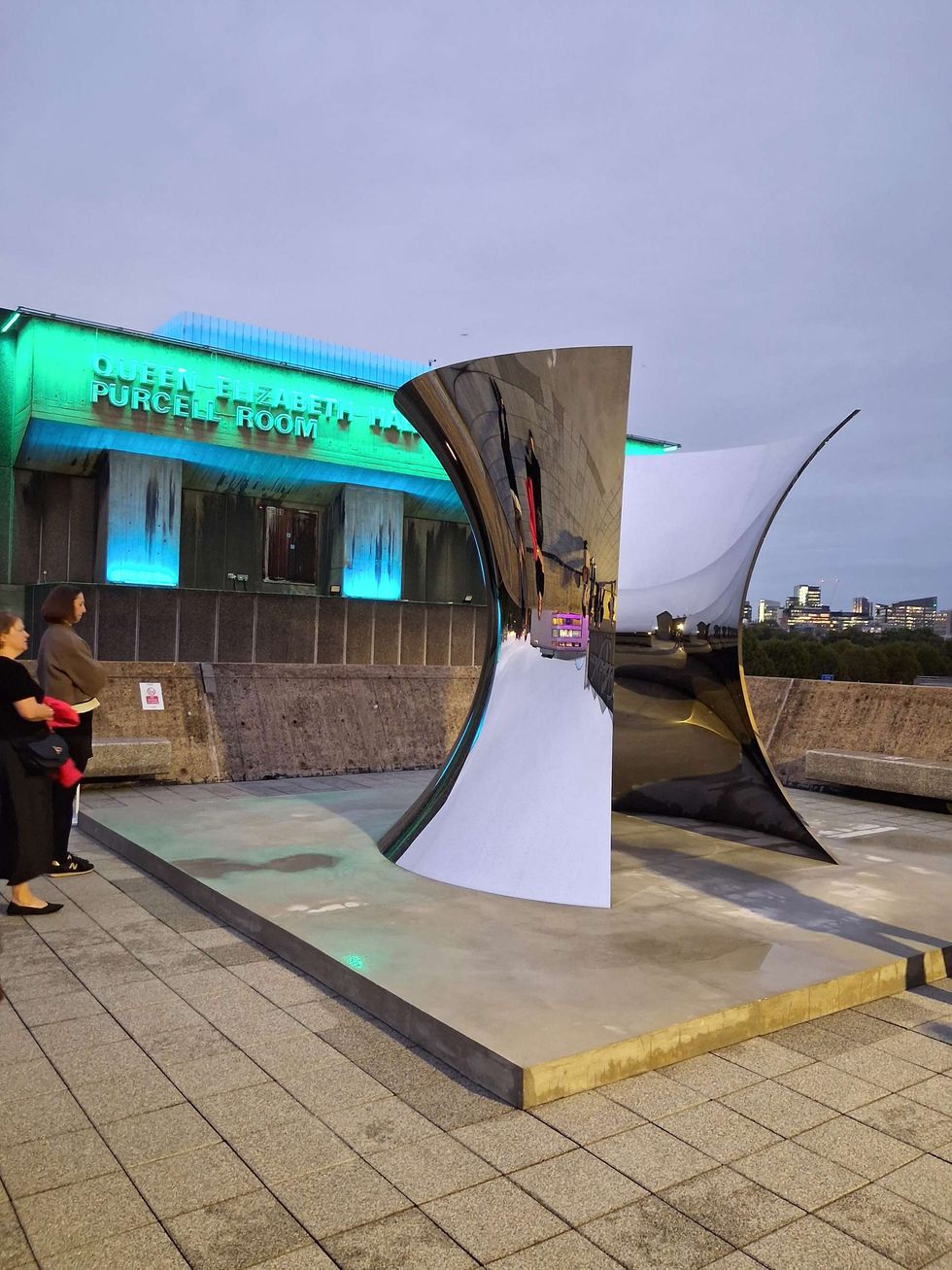 CloakEastern Eye
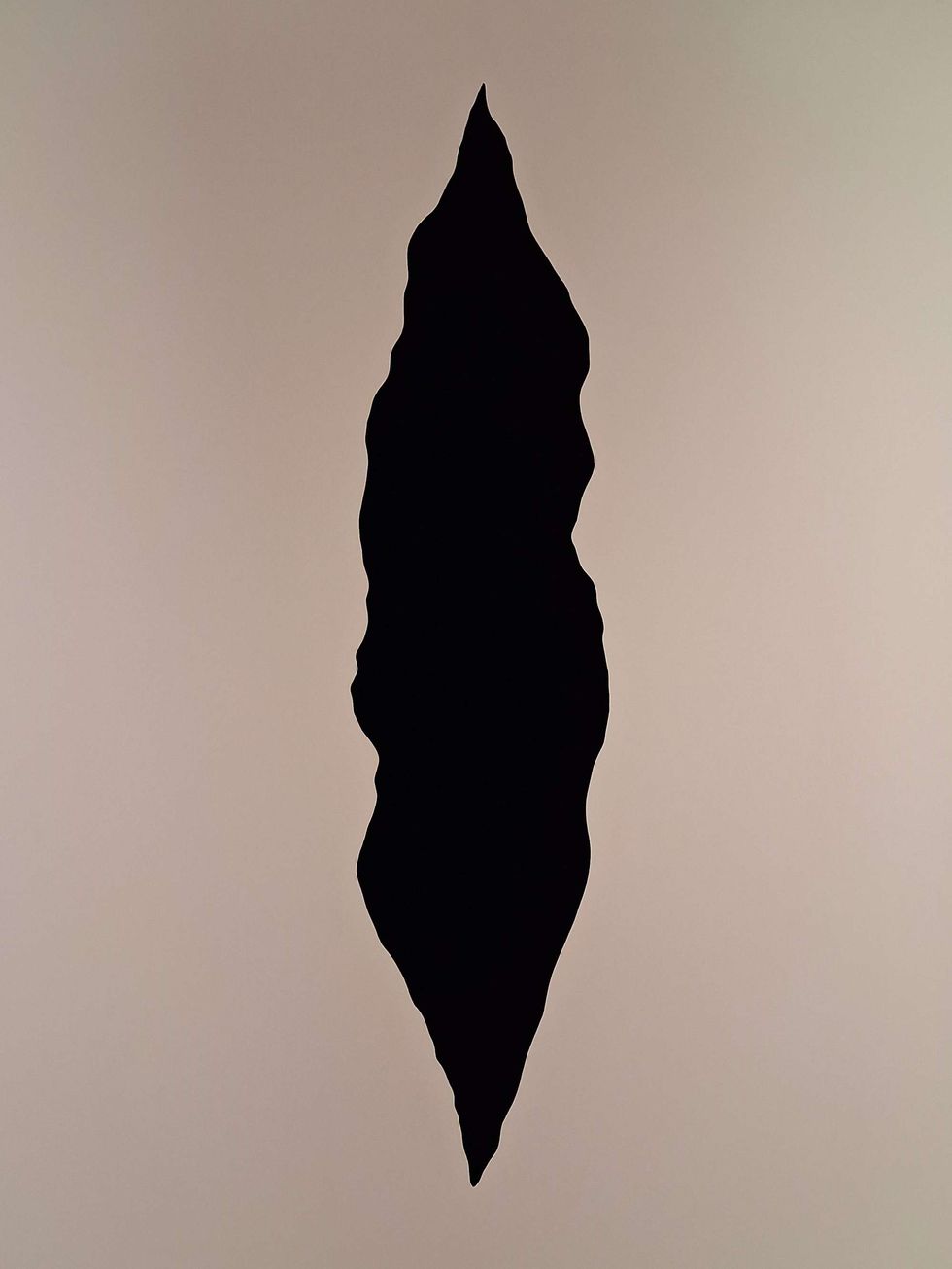 Untitled (work in Vantablack)Eastern Eye
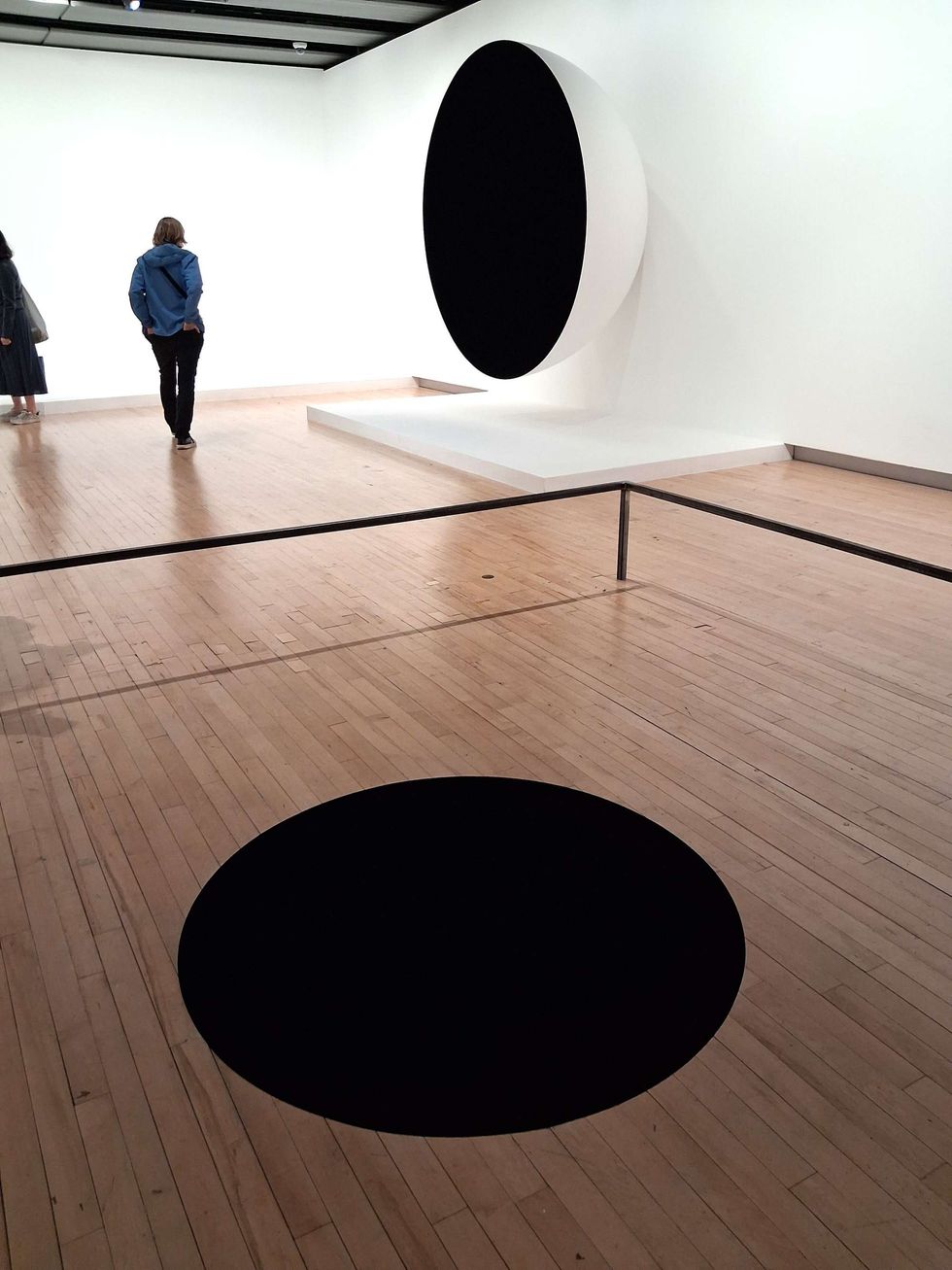 Descent into limbo (work in Vantablack)Eastern Eye
 Ha MakomEastern Eye
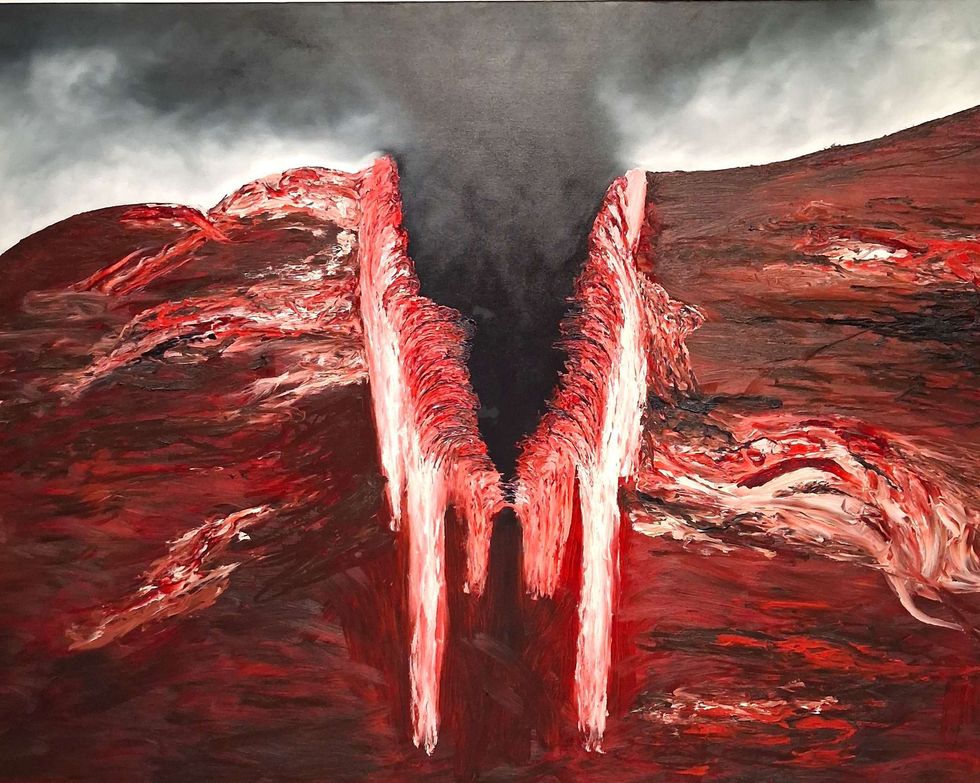 The Dark (oil on canvas)Eastern Eye
 All is NothingEastern Eye
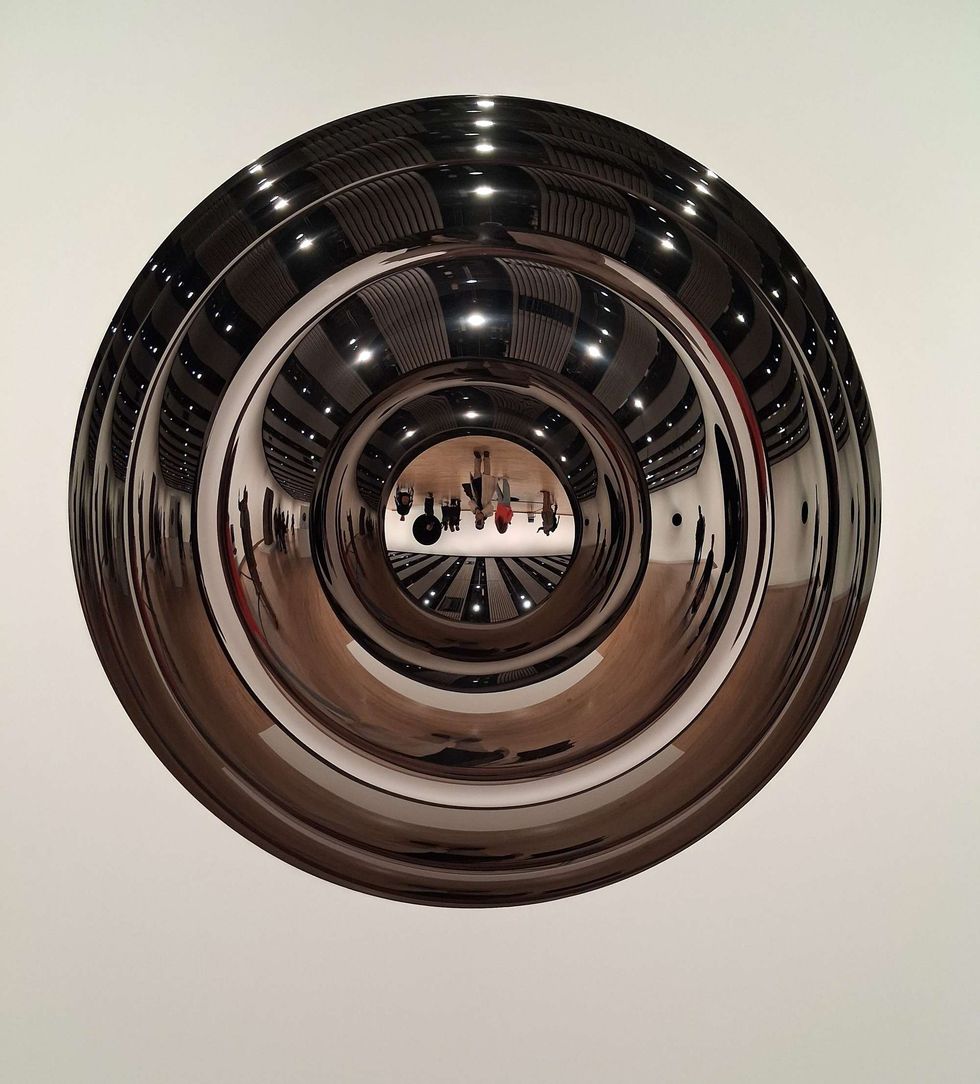 IrisEastern Eye
 Untitled (work in Vantablack) Eastern Eye
 Mount Moriah at the Gate of the GhettoEastern Eye
 Interior of the body: evocation of ritual sacrificeEastern Eye