
- O’Leary apologised “sincerely and unreservedly” after more than a week of criticism.
- He had previously said there was no need to apologise and rejected an offer of training from the Dublin Rape Crisis Centre.
- The centre welcomed his change of position and said it could help highlight the impact of language on survivors.
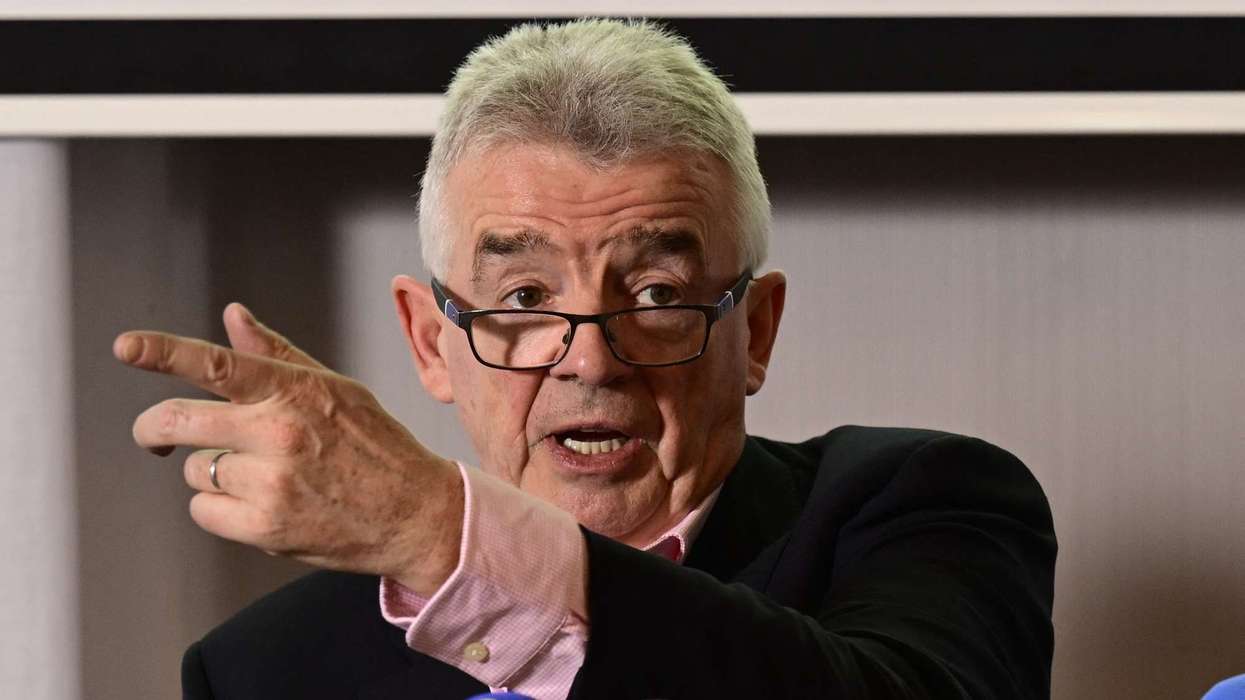
Michael O’Leary is not exactly known for backing down. The Ryanair chief executive has built much of his public image around provocative comments, sharp attacks on competitors and a willingness to keep going when controversy follows. But his latest reversal is unusual even by his standards.
O’Leary has now apologised 'sincerely and unreservedly' for describing rival airlines as 'high-fare rapists', saying he had come to realise that his choice of words had caused 'considerable upset and offence', particularly among survivors of sexual violence and rape.
The apology came more than a week after he made the comments ahead of Ryanair’s annual general meeting in Dublin. At the time, O’Leary was arguing that high fares at airlines including Aer Lingus, Lufthansa and British Airways would push passengers towards Ryanair.
“You might find some people will choose not to fly with Ryanair – but you know they’ll be overrun with the people abandoning Aer Lingus, Lufthansa, BA and others desperate to get to Ryanair’s low fares because they can’t afford to fly with the high-fare rapists around Europe,” he told reporters.
Asked afterwards whether that was appropriate language, O’Leary replied: “Absolutely.” He also insisted that rape was a 'heinous' and 'terrible' crime and rejected the suggestion that his comparison trivialised it.
The unusual change of heart
The response was swift. Rachel Morrogh, chief executive of the Dublin Rape Crisis Centre, called for an apology and offered O’Leary training on the impact of language around sexual violence.
O’Leary initially rejected both.
In a letter to Morrogh, he said he would not apologise or accept the training, arguing that he had been clear that rape was a heinous crime and that his remarks could not have trivialised it.
Politicians also joined the criticism. Taoiseach Micheál Martin was among those who urged O’Leary to reflect on his comments, while politicians in the UK and Ireland questioned the choice of language.
Then, on Friday, O’Leary changed his position.
In a video message, he said conversations with family and friends, both inside and outside Ryanair, over the previous 10 days had made him realise the effect of his words.
“I want to apologise, sincerely and unreservedly, to those people, especially to the survivors,” he said. “I am truly sorry for the offence and upset I have caused you by my careless use of those words. It won’t happen again.”
He added that he would “try to learn from this mistake and do better in the future”.
The Dublin Rape Crisis Centre welcomed the apology, saying O’Leary had recognised that his comments had caused concern and hurt to people who had experienced rape, as well as their families and friends.
The organisation said it hoped the apology would promote greater public understanding of the impact language can have and the harm that trivialising sexual violence can cause.
A different kind of Ryanair publicity
There is a reason the reversal stands out.
O’Leary’s provocative style has often been part of Ryanair’s public identity. Controversial remarks can generate headlines, put competitors on the defensive and keep the airline in the conversation without the company having to buy that attention in the traditional way.
But this episode moved beyond the usual airline rivalry.
The backlash came from a rape crisis organisation and survivors’ advocates, while political criticism followed. That made the issue less about O’Leary’s familiar rivalry with other airlines and more about the consequences of using sexual violence as a metaphor for expensive air fares.
His apology does not erase the original remarks, but it changes the ending of the story.
Only days earlier, O’Leary was insisting that he had nothing to apologise for. Now he says he used the words “carelessly”, accepts that they caused offence and promises not to repeat them.
For a chief executive whose public persona has long relied on refusing to retreat from provocative comments, that may be the most notable part of the episode.