
UK AUTHORITIES are now probing 27 meningitis cases, health officials said on Thursday, as an outbreak linked to a university continues to be investigated.
The UK Health Security Agency (UKHSA) said in a statement: "15 laboratory cases are confirmed and 12 notifications remain under investigation, bringing the total to 27."
Two people have died since the outbreak came to light at the weekend. The cases are centred on the University of Kent in Canterbury and a nightclub popular with students.
Prime minister Keir Starmer has urged people who visited the nightclub during the period to come forward. He said health experts were working to trace close contacts of those infected.
Speaking in parliament on Tuesday, he asked "anyone who attended Club Chemistry on March 5, 6 or 7 to come forward, please, to receive antibiotics".
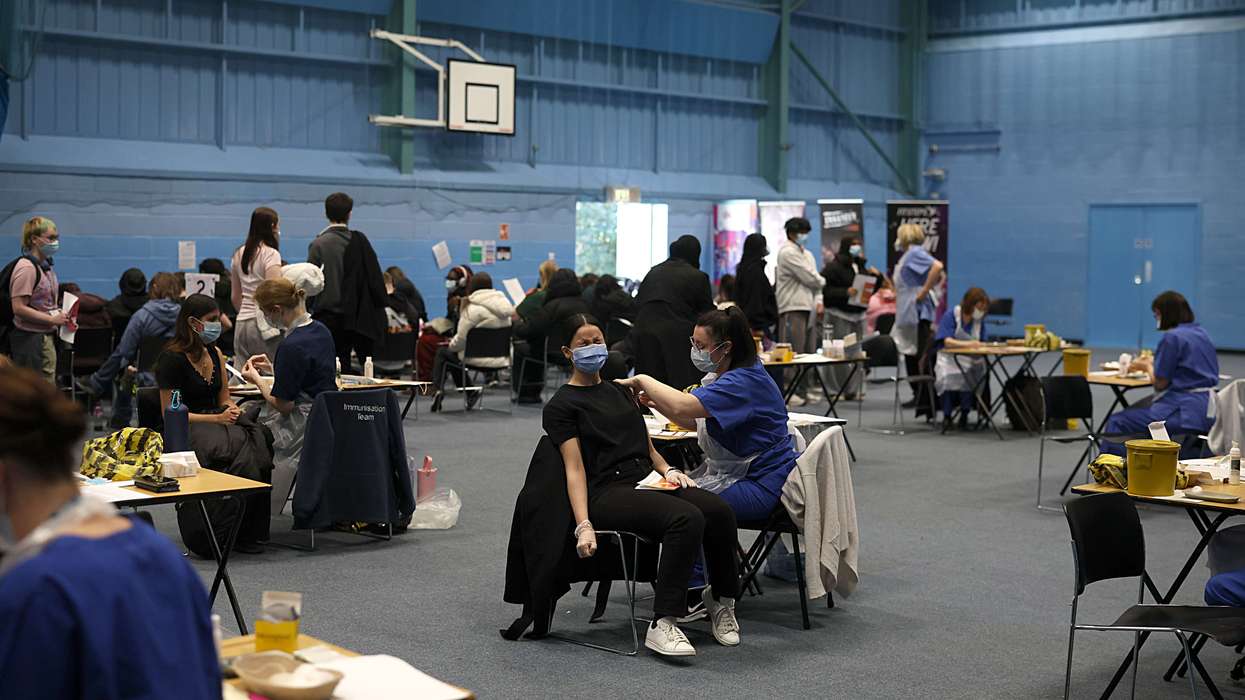
The university has started a vaccination programme for meningitis B, covering around 5,000 students. Hundreds of students queued on campus on Wednesday to receive the vaccine.
Authorities confirmed the number of cases under investigation has risen from 15 on Tuesday to 27 on Thursday. There are concerns about further spread as students prepare to travel home for the Easter vacation.
French authorities have also reported one case involving a person in France who had attended the University of Kent.
UK health officials said cases have been confirmed among students at four schools in Kent and one student at a higher education institution in London.
The two people who died have been identified as an 18-year-old schoolgirl and a 21-year-old University of Kent student.
Meningitis is an infection that can lead to sepsis if it affects the membranes around the brain and spinal cord.
It is most common in young children, teenagers and young adults.
Early symptoms include headache, fever, drowsiness and a stiff neck, which can make diagnosis difficult as they overlap with other illnesses.
The illness can progress quickly, with a rash often appearing later. It spreads through close contact, including kissing or sharing vapes or drinks.
At least nine confirmed cases are of group B meningococcal disease, according to the UKHSA.
The bacterial strain is rarer and more serious than the viral type.
Doctors across the country have been advised to prescribe antibiotics to anyone who visited Club Chemistry between March 5 and 7, and to University of Kent students "if they have been asked to seek preventative treatment".
(With inputs from agencies)