
- A £2bn packaging tax is under review amid inflation fears.
- Retailers warn costs could add £56 a year to household bills.
- Food inflation could rise as high as 9–10 per cent this year.
The UK government is reviewing its sustainable packaging tax, known as the Extended Producer Responsibility (EPR) scheme, as pressure builds over rising food prices in the UK. The move comes as retailers warn that the policy, designed to make businesses pay for packaging waste, could push grocery bills higher at a time when inflation risks are already returning.
At the centre of the debate is a simple question: should environmental policy come ahead of affordability, or can both realistically move together?
The Treasury is now looking at possible changes to the EPR levy, a policy estimated to be worth around £2bn. It requires large companies to cover the full cost of collecting and disposing of packaging waste. While the idea is to shift the burden away from taxpayers, retailers argue the cost does not disappear. It moves through the system and eventually lands with consumers.
When policy costs meet rising prices
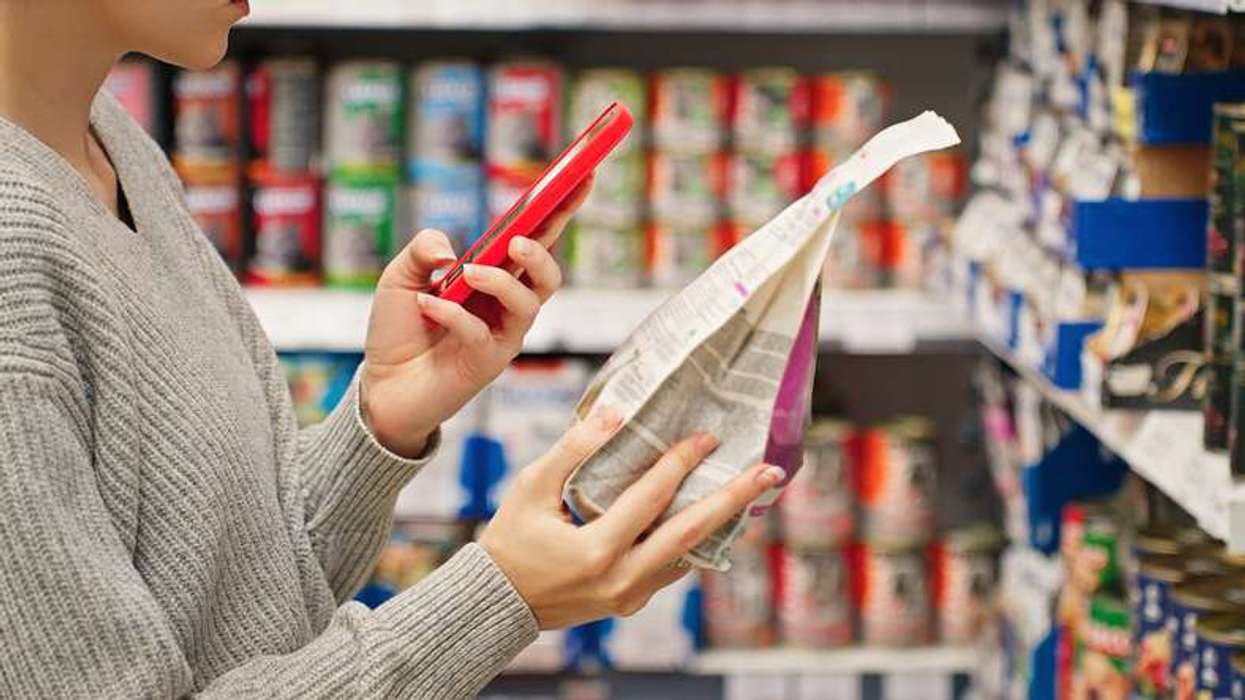
The concern is not just theoretical. The expanded EPR scheme now places heavier charges on materials such as glass, with costs estimated at around 12p per bottle or jar. Across a full shop, retailers warn this could translate into an additional £56 per year for the average household.
Supermarkets have been increasingly vocal about what they describe as “policy costs” building up across the sector. Executives from major chains, including Tesco and Sainsbury’s, have been calling for a reduction in regulatory burdens, arguing it would give them more room to keep prices stable.
Andrew Opie, head of food and sustainability at the British Retail Consortium, said the government has limited control over global shocks but can act on domestic policy pressures, as quoted in a news report. He pointed to multiple packaging-related costs, including the EPR levy and plastic packaging tax, which together are adding to the overall cost of food.
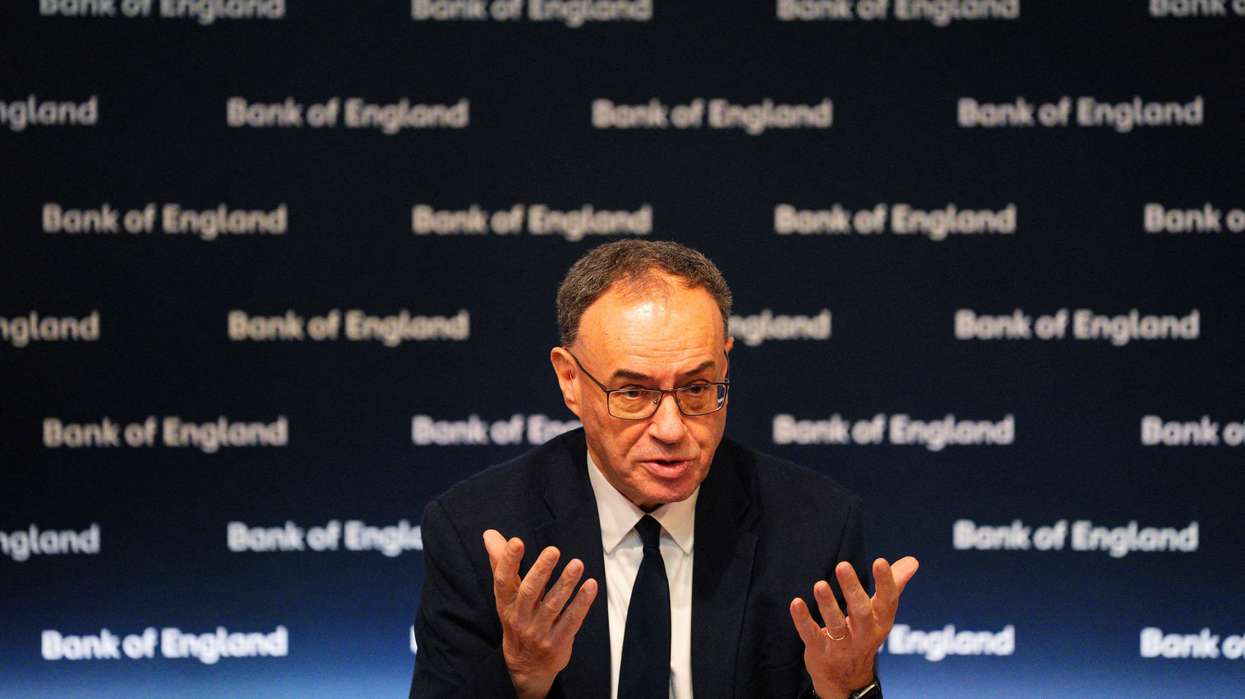
The timing is adding to the urgency. Industry forecasts suggest food inflation could climb sharply in the coming months. The Food and Drink Federation expects inflation to reach between 9 and 10 per cent this year, while the Bank of England has projected a rise to around 7 per cent, both well above the current rate of 3.7 per cent.
Part of the pressure is coming from outside the UK. Disruptions linked to tensions in the Middle East, including the Strait of Hormuz, have pushed up the cost of energy, shipping and fertilisers. Industry figures suggest the full impact on food prices may take a few months to filter through, echoing patterns seen during the 2022 energy crisis.
A balancing act between cost and climate
While retailers push for relief, the government appears cautious about going too far. A spokesperson said there are no plans to scrap the EPR scheme entirely, pointing out that it generates more than £1bn annually and supports investment in waste management infrastructure, reportedly said in a statement.
The policy is also tied to broader environmental goals, including reducing packaging waste and encouraging more sustainable production practices. Officials argue that shifting costs to producers is a necessary step in building a more responsible system.
At the same time, the government is facing mounting pressure to act on the cost of living. Reviewing the packaging tax is seen as one of the few levers it can pull directly, especially when global factors such as energy prices remain outside its control.
For consumers, the debate is less about policy design and more about everyday impact. The difference may show up not in headlines, but in weekly grocery bills.
The question, then, is not just whether the tax should stay or go. It is whether the UK can manage both affordability and sustainability at the same time, or whether one will continue to come at the expense of the other.