
Twinkling flames from candles and traditional lamps lit up India's night sky on Sunday (5) in a nine-minute show to mark the fight against the coronavirus pandemic, which has left the vast nation in lockdown.
Across major cities and towns in the world's second-most populous country of 1.3 billion people, many heeded the call of prime minister Narendra Modi to turn off their lights at 9:00 pm local time.
Residents shouted "Hail mother India" and "go corona go". They cheered, clapped, and set off firecrackers and fireworks that shattered the quiet evening, in scenes reminiscent of Diwali, the Hindu festival of lights.
"Salute to the light of the lamp which brings auspiciousness, health and prosperity, which destroys negative feelings," Modi tweeted in Sanskrit. He shared photos of himself lighting a "diya" clay lamp.
In a modern touch, some residents turned on the lights from their mobile phones.
Modi on Friday had called on Indians to take part in the event to "defeat the deep darkness of the crisis by spreading the glory of light in all four directions".
India has been under a strict lockdown since March 25, halting public transport and closing offices and shops apart from essential services.
But the shutdown has badly hit rural migrant workers, leaving them jobless with hundreds of thousands trying to return to their villages, many on foot.
Many others have been blocked from returning home. The government has set up tens of thousands of makeshift camps and feeding centres for 7.5 million people.
The confirmed number of new coronavirus cases in India has passed 3,500 with 83 deaths, the government said, although experts say wider testing is needed.
The health ministry has blamed a recent jump in cases on a large religious gathering in the capital New Delhi in March that has been linked to more than 1,000 infections.
"If the Nizamuddin incident (in Delhi) had not happened, then our case doubling rate which is currently 4.1 would have been 7.4 days," health ministry official Lav Agarwal told reporters on Sunday.
The ministry on Saturday issued an advisory for Indians to use homemade reusable face covers to "help in protecting the community at large".
The government imposed a ban on the export of malaria treatment drug hydroxychloroquine, removing exemptions such as for fulfilling export obligations that it put in place several days ago.
Hydroxychloroquine and chloroquine to treat malaria have shown early promise against the COVID-19 illness in early studies in France and China.






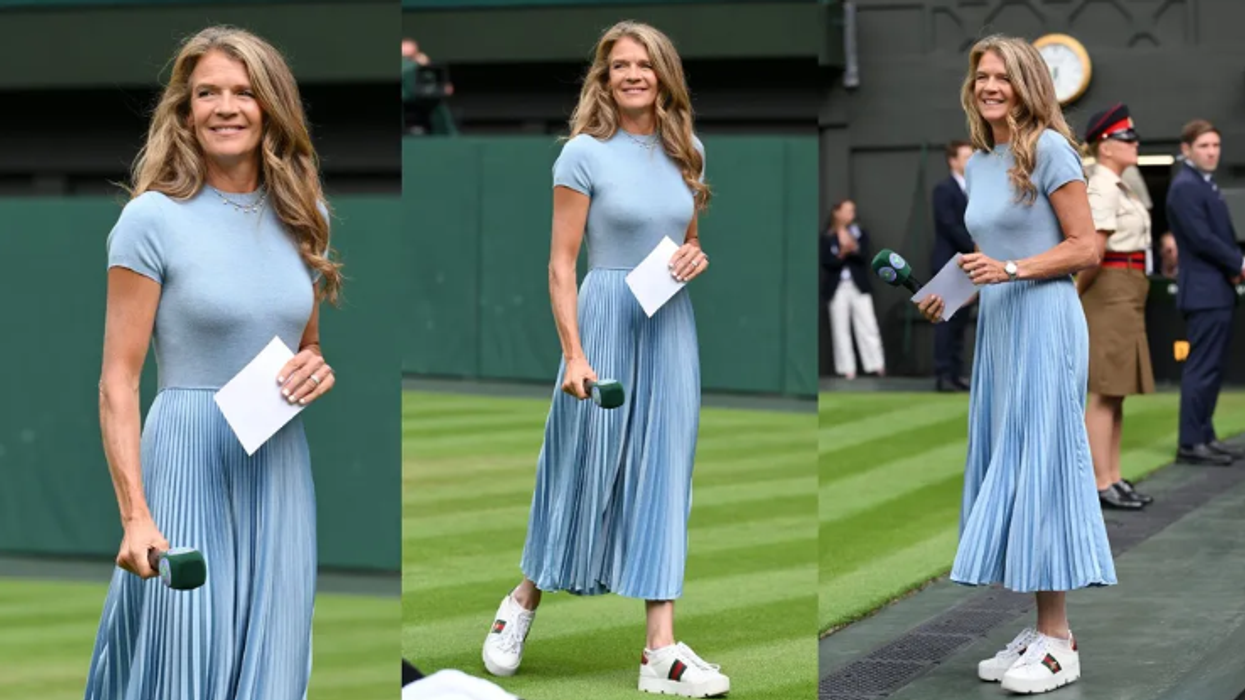


 Charithra Chandran styled her hair in soft curls for the Ralph Lauren outfitInstagram/
 Charithra’s look was inspired by her character Edwina Sharma from BridgertonInstagram/

