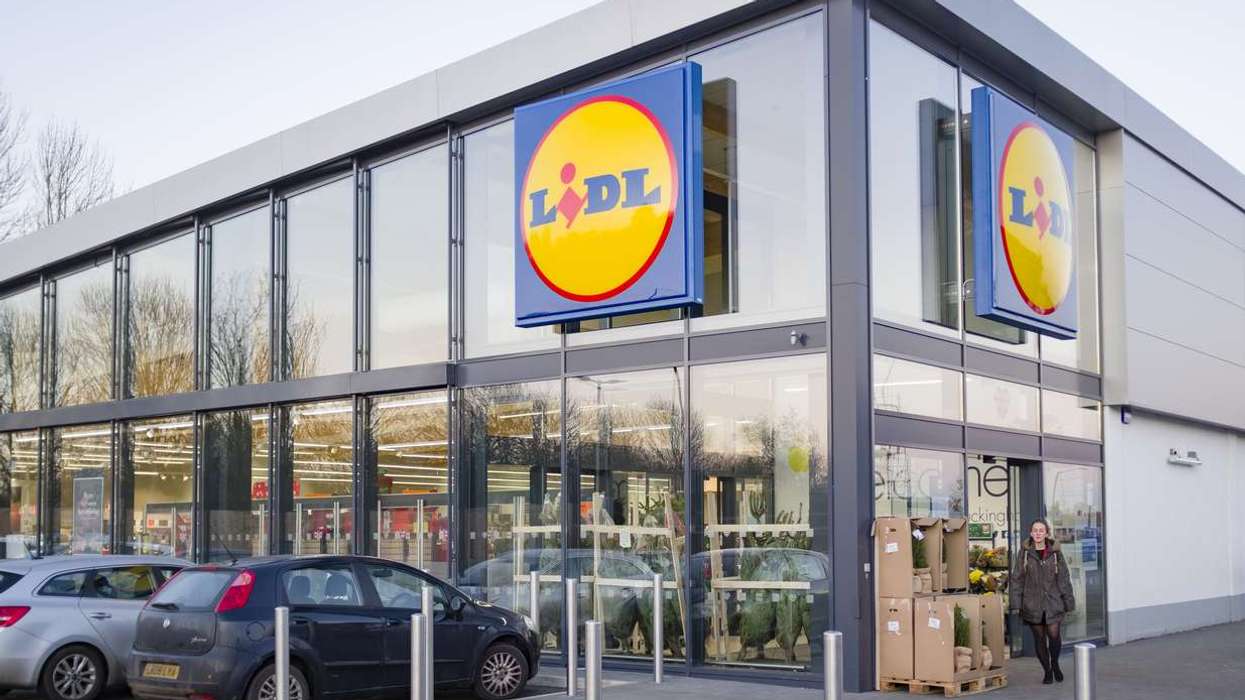

- Lidl increased sales by 8.8 per cent over the past year.
- Lidl’s grocery market share rose to 8.6 per cent, moving ahead of Morrisons.
- The retailer plans to invest more than £600 million into UK expansion and open 50 new stores.
Lidl has overtaken Morrisons to become Britain’s fifth largest supermarket, as shoppers continue turning to discount retailers to manage rising household costs.
New figures from retail analysts Worldpanel by Numerator showed Lidl increased sales by 8.8 per cent year-on-year during the 12 weeks to May 17, making it the fastest-growing supermarket chain with physical stores in the UK.
The growth pushed Lidl’s market share to a record 8.6 per cent, narrowly ahead of Morrisons, which held 8.3 per cent after reporting sales growth of just 1.3 per cent over the same period.
The latest milestone marks another major shift in Britain’s supermarket landscape, where discount chains have steadily chipped away at the dominance of traditional grocers over the past two decades.
Twenty-five years ago, Lidl accounted for only 1.4 per cent of the grocery market, trailing long-disappeared supermarket names including Safeway, Somerfield and Kwik Save.
Britain’s grocery battle keeps shifting
Since entering the UK market in 1994, Lidl has rapidly expanded its footprint, moving beyond its original reputation as a low-cost discounter to become a mainstream weekly shopping destination for many households.
The company now operates 1,000 UK stores and 13 distribution centres across England, Scotland and Wales, employing around 35,000 people.
In the year ending February 2025, Lidl GB reported sales of £11.7 billion, up 8.3 per cent, while profits more than doubled to £156.8 million.
The retailer has also pledged to invest more than £600 million into UK expansion and plans to open 50 additional stores over the coming year.
Ryan McDonnell reportedly described becoming Britain’s fifth largest supermarket as a “significant milestone”, adding that shoppers increasingly want affordable groceries without compromising on quality.
Lidl’s rise mirrors the broader success of discount supermarkets across Britain, particularly during years of high inflation and pressure on household budgets.
Its German rival Aldi remains Britain’s fourth biggest supermarket and now sits less than one percentage point behind struggling Asda.
Pressure grows on traditional supermarket chains
While Lidl and Aldi continue gaining ground, some of Britain’s larger supermarket groups remain under pressure.
Asda was reportedly the only one of the UK’s eight biggest supermarkets to record falling sales over the past year, with revenues down 3 per cent and market share slipping from 12.1 per cent to 11.5 per cent.
Meanwhile, Tesco maintained its lead with a 28.2 per cent market share, followed by Sainsbury's at 15.2 per cent.
Analysts suggest Lidl’s continued momentum has been helped not only by pricing, but also by loyalty programmes such as Lidl Plus, which reportedly accounted for roughly half of the retailer’s recent growth.
Still, the supermarket price war appears far from over.
Grocery inflation slowed to 3.1 per cent in the four weeks to May 2026, according to Worldpanel, marking its lowest level since December 2024.
However, industry groups including the Food and Drink Federation have warned food prices could face renewed pressure later this year because of higher supply chain and global energy costs.
Morrisons has also challenged the latest rankings, reportedly arguing that the market share figures underestimate its position because they exclude convenience store sales, an area where Lidl has little presence.
Even so, Lidl’s rise underlines how deeply Britain’s supermarket habits have changed, with more shoppers now prioritising value-focused retailers as food prices and living costs remain under pressure.