
Highlights
- He says the country’s growth will be fuelled by infrastructure expansion, rapid urban housing and energy transition projects
- He compares India’s rise in steel consumption to China’s rapid growth over the past two decades
- He says the ArcelorMittal merger strengthened the firm to withstand shocks like the financial crisis and Covid-19
- Mittal highlights strong long-term demand prospects despite global volatility and policy changes
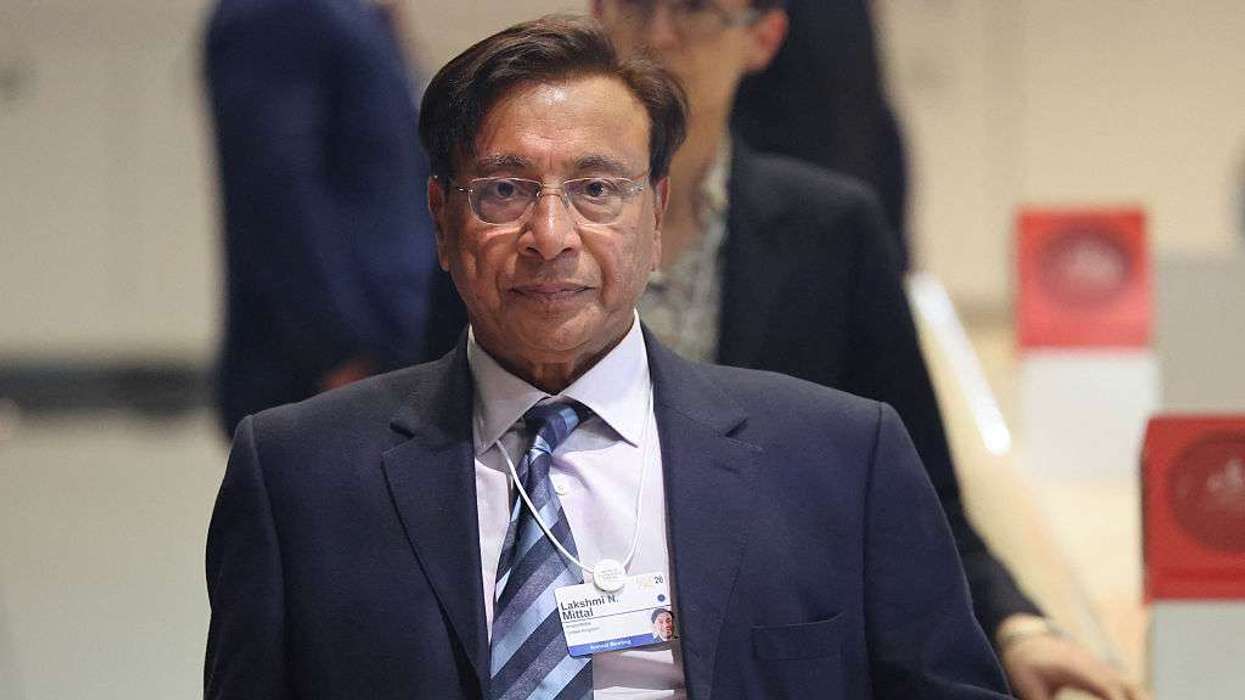
INDIA is poised to become a key engine of global steel demand over the coming decades, ArcelorMittal executive chairman Lakshmi Mittal has said, predicting the country will replicate the role China played in driving the industry over the past 20 years.
Speaking in a video message to delegates at the World Steel Dynamics Global Steel Dynamics Forum 2026 in New York, Mittal cited large-scale infrastructure development, rapid urbanisation and energy transition investments as the forces that would fuel India's steel appetite in the years ahead.
"The last 20 years have been characterised by China's remarkable growth. Now it is India's turn, with massive infrastructure expansion, rapid urban housing growth, and energy transition infrastructure all on the cards," he said.
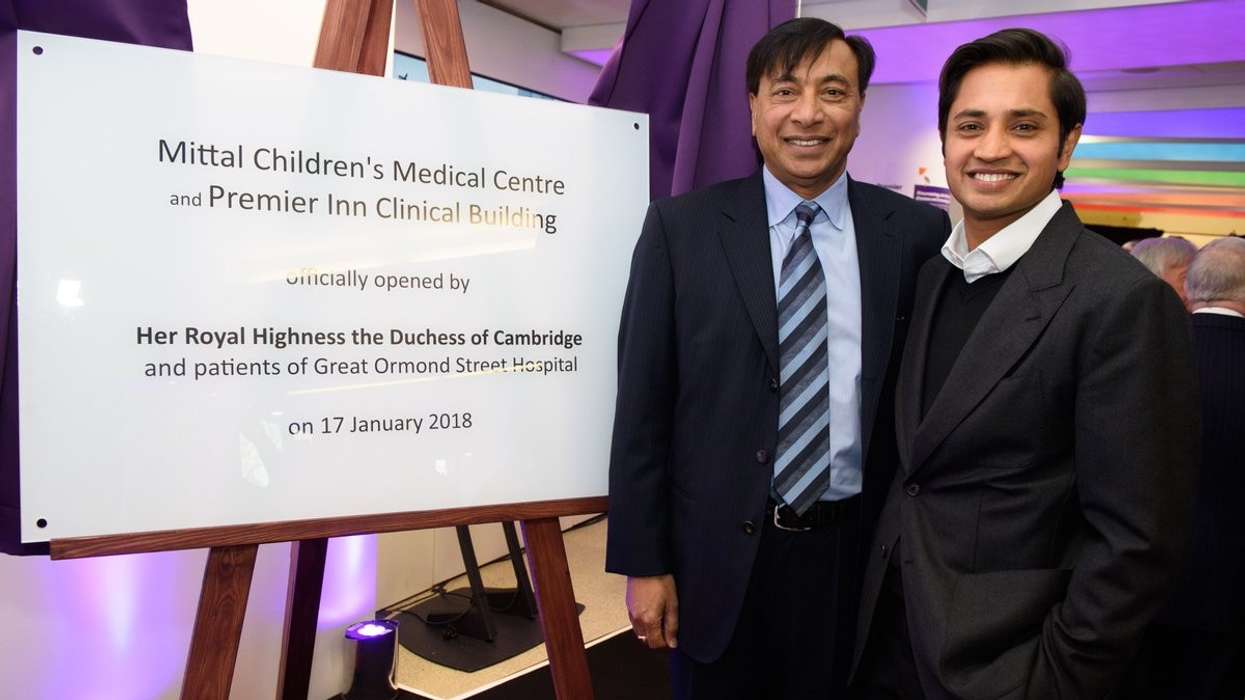 Lakshmi Mittal (left) with his son Aditya Mittal Eastern Eye
The remarks came ahead of ArcelorMittal's 20th anniversary on July 31, marking two decades since the merger of Mittal Steel and Arcelor in 2006 created the world's largest steelmaker.
Lakshmi runs ArcelorMittal alongside his son Aditya, 50, who serves as the company's chief executive. The company describes itself as one of the world's leading integrated steel and mining companies, with a presence in 60 countries and primary steelmaking operations in 14 countries.
The Mittals were ranked second in Eastern Eye's Asian Rich List 2026 with a combined wealth of £15.5 billion.
'Merger played crucial role'
Reflecting on the two decades since the merger, Mittal said the combination had made the company stronger and better placed to weather major global disruptions, including the global financial crisis and the Covid-19 pandemic, which he described as black swan events.
"If I look back over the 20 years, I genuinely believe that the merger did indeed create a stronger company, benefiting from greater scale, diversification, resilience and strategic reach," he said.
- YouTube www.youtube.com
"There have been events we did not anticipate. The aftershocks of the global financial crisis are still with us, and the fallout from Covid has been similarly dramatic. I am adamant, though, that we navigated these shocks better together than we could have done separately."
'Industry became more global'
Mittal noted that the steel industry had changed significantly since 2006, becoming more global, technology-driven and data-intensive, with companies now facing faster-moving markets and growing environmental and regulatory pressures.
"Operating in 2026 is obviously very different to 2006. Today, markets move faster, competition is more global, technology changes constantly, and companies are expected to adapt in real time. Even traditional industries like ours operate in a faster, more global, more data-driven, and more environmentally constrained world than they did in 2006," he said.
Despite those challenges, Mittal expressed confidence in the sector's long-term prospects, pointing to demand growth in emerging markets, infrastructure renewal in developed economies and investments linked to decarbonisation and the energy transition as reasons for optimism.
He also highlighted the growing role of domestic industrial policies in shaping steel markets and stressed the need to maintain a competitive and resilient steel industry.
"There are plenty of reasons to remain optimistic and excited about the future. I do not doubt that we will continue to face plenty of challenges and unexpected events. But honestly, I can say that after 50 years in the steel industry, there is no place I would rather be," Mittal said.
(with inputs from PTI)