
Highlights
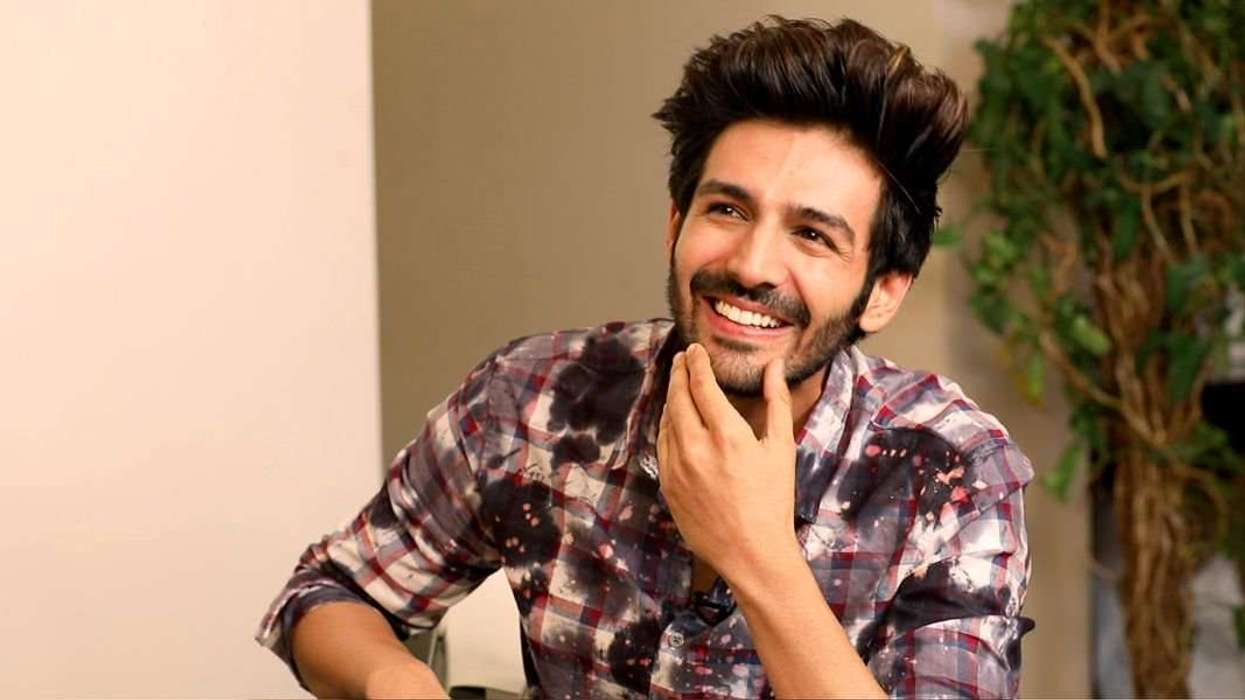
- Kartik Aaryan seeks protection of personality rights in court
- Bombay Court indicates it will direct removal of violating online content
- Case involves alleged misuse of name, image and AI-generated material
- Follows similar protections granted to Amitabh Bachchan and Mohanlal
When identity becomes a commodity
For actors today, a name or face is no longer just part of their public image. It is a commercial asset. Kartik Aaryan’s move to seek legal protection of his personality rights reflects how valuable, and vulnerable, that identity has become in the digital space.
His plea comes amid a wider trend in the industry, where leading figures have approached courts to prevent unauthorised use of their likeness across online platforms.
Court steps in on digital misuse
The Bombay Court has indicated that it will pass an order directing the removal of content that violates Aaryan’s personality rights. The case centres on the unauthorised use of his name and image, including instances where his identity was allegedly used for commercial gain.
Senior counsel Birendra Saraf told the court that the misuse extended beyond casual online sharing. It included merchandise being sold using the actor’s likeness, as well as artificial intelligence-generated videos that he described as damaging and, in some cases, scandalous.
The court acknowledged these concerns and is expected to issue directions accordingly.
A growing legal trend across industries
Aaryan’s case follows similar legal protections granted to several high-profile figures, including Amitabh Bachchan, who secured court backing against the misuse of his name, voice and image, and Mohanlal, who has also acted to safeguard his identity rights in the digital space.
Together, these cases point to a wider shift in how the industry is responding to online exploitation. Public figures are increasingly treating their persona as intellectual property that requires active legal protection.
In his petition, Aaryan has named multiple e-commerce and social media platforms, along with unidentified entities, alleging that his persona has been used without consent in advertisements and other digital formats.
He has sought a permanent injunction to stop the use of his photographs, videos, voice and other identifiable features for commercial purposes, including content created using artificial intelligence and deepfake technology.
The value and risk of digital fame
The case highlights a broader reality. As celebrity presence expands online, so does the potential for exploitation. What was once limited to endorsements and appearances now extends to unauthorised merchandise, manipulated videos and synthetic content.
For public figures, protecting identity is no longer just about reputation. It is about safeguarding a commercial asset that can be replicated, altered and monetised without consent.
The court’s response in this case could further define how such rights are enforced, as the line between visibility and ownership continues to blur.