
Sonakshi Sinha was really going through a lean phase in her career till Karan Johar's Ittefaq arrived and turned things around for the actress. Also starring Sidharth Malhotra and Akshaye Khanna in pivotal roles, the suspense-thriller earned good critical acclaim for the actress along with commercial success.
Filmmaker Karan Johar, who co-produced the film in association with Red Chillies Entertainment and BR Studios, is so impressed with Sinha's stellar performance in the film that he has made his mind to rope in the actress for one of his upcoming ventures.
Confirming the news, Karan told to a leading daily, "I am very happy that I worked with Sonakshi and it wasn't any kind of 'Ittefaq' (coincidence) and that film did well that also wasn't and 'Ittefaq'. So now, we are doing another film together and the name and details about the film will be announced within two weeks."
Sonakshi Sinha will next be seen in Happy Bhaag Jayegi Returns and Gadbad In London. She might also do Salman Khan's Dabangg 3.

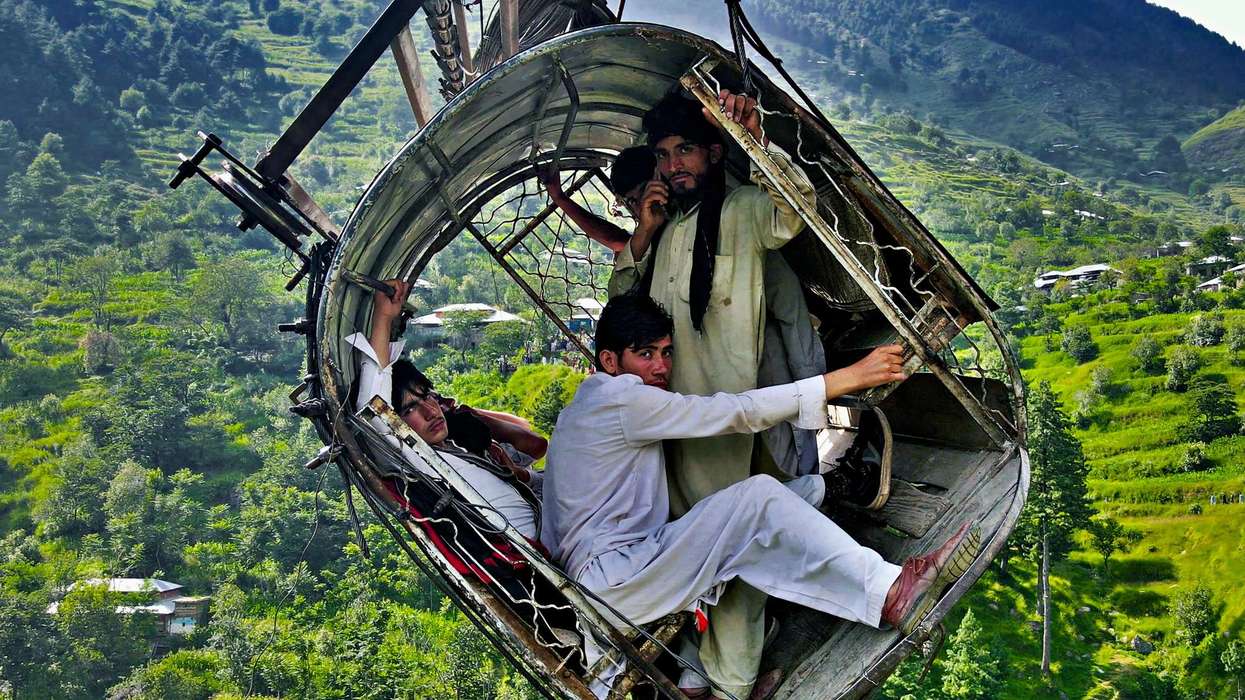
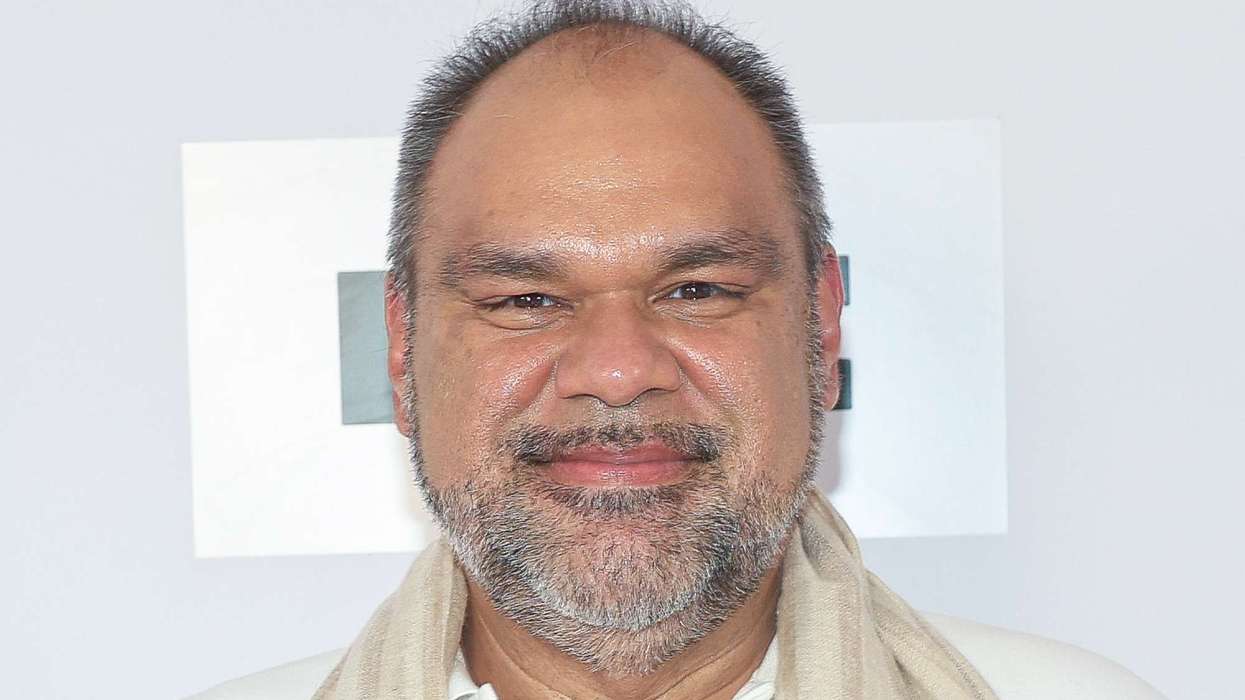 Mohammed Ali Naqvi Manoli Figetakis/Getty Images
 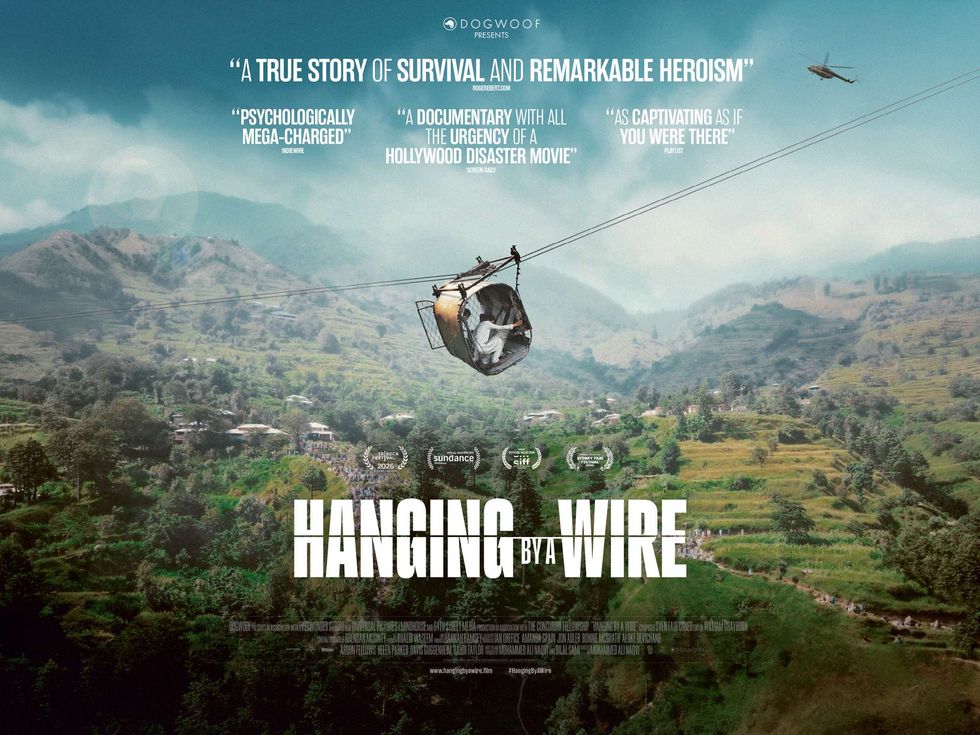 The poster for Hanging by a Wirex
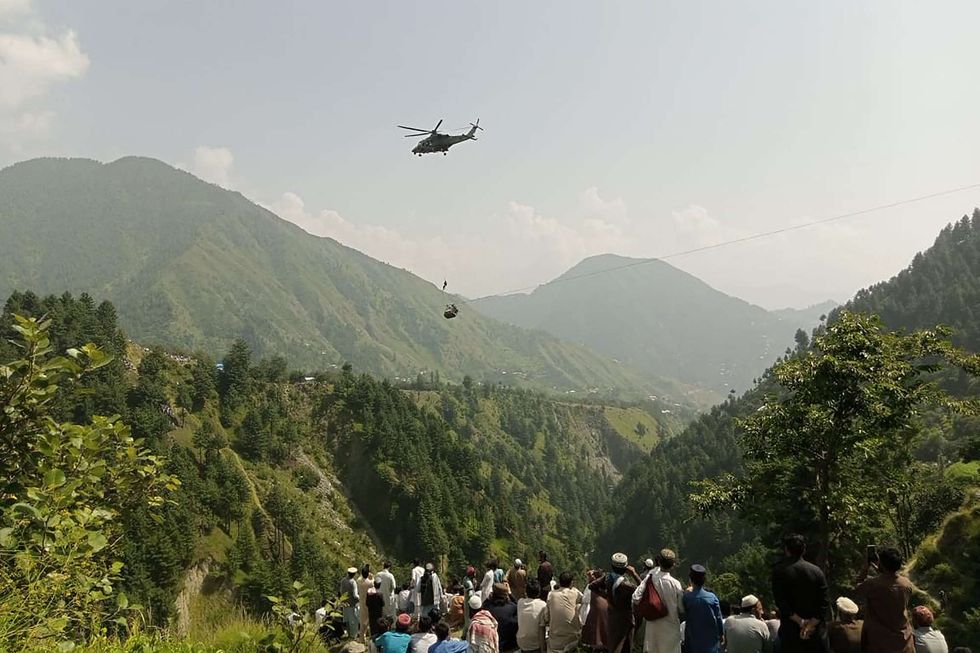 People watch as an army soldier descends from a helicopter during the rescue operation in Khyber Pakhtunkhwa AFP via Getty Images