
Highlights
- Judi Dench has revealed that Daniel Craig reportedly suggested killing off her character, M, in Skyfall.
- The actress shared the detail in her new memoir, Is It Too Late to Make a Run for It?
- Craig had also pushed for James Bond to die at the end of No Time to Die.
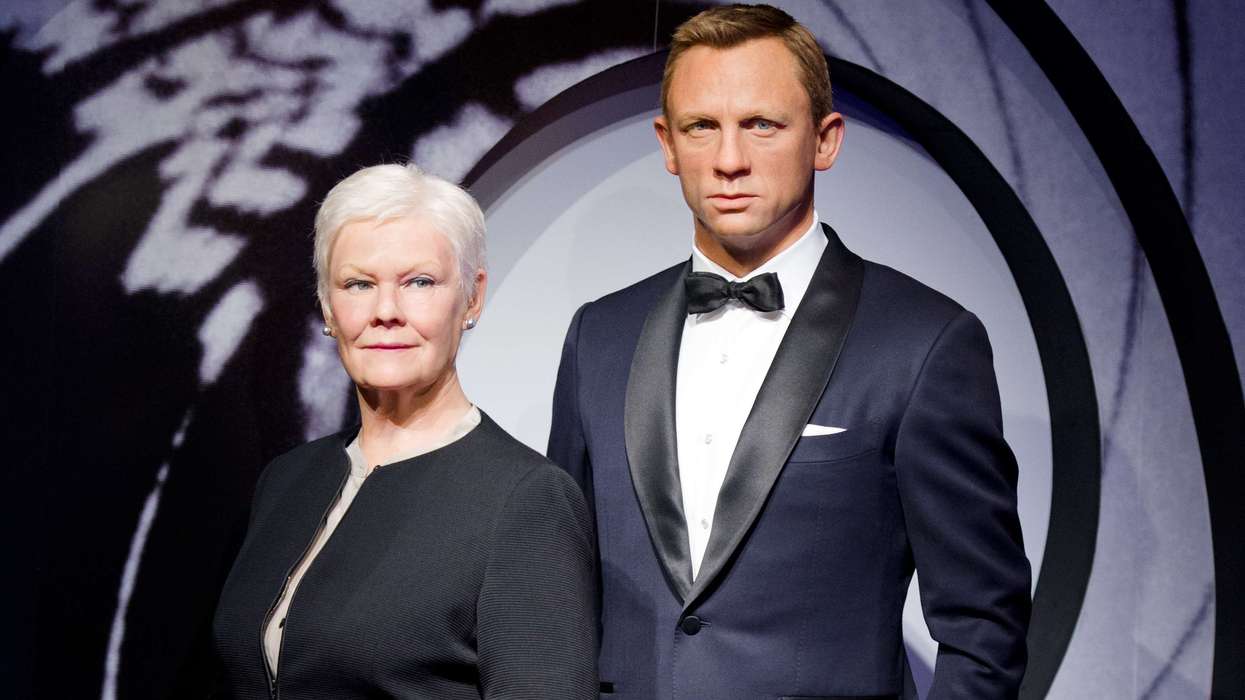
Dame Judi Dench has revealed that Daniel Craig was behind the decision to kill off her character, M, in the James Bond film Skyfall.
The actress, who played the head of MI6 across eight Bond films, shared the revelation in her new memoir, Is It Too Late to Make a Run for It?
Dench recalled being invited to London's Wolseley restaurant by producer Barbara Broccoli, her brother Michael G Wilson and director Sam Mendes, where they explained that her character would be killed off in the 2012 film.
“I was taken to the Wolseley restaurant by Barbara [Broccoli], Michael [G Wilson] and Sam [Mendes] – I don't think Daniel Craig was there – and they outlined the plot and told me they were going to bump me off,” she wrote.
She also addressed reports that she had cried after learning she would be leaving the franchise.
“Of course I didn't cry. Why on earth would I cry after 20 glorious years and eight Bond films – which, by the way, is one more than Roger Moore, the longest-running 007 to date,” she added.
However, Dench revealed that Craig had apparently suggested her character's death, writing: “Apparently, it was Daniel's idea to have me killed.”
Daniel Craig also wanted James Bond to die
Craig's reported involvement in M's death follows his earlier decision to push for a dramatic ending for his own version of 007.
The actor had previously revealed that he asked Broccoli whether Bond could be killed at the end of his fourth film. He reportedly raised the idea after the Berlin premiere of Casino Royale in 2006.
His final Bond appearance, No Time to Die (2021), ended with the character being killed in a missile strike, marking a significant departure from the franchise's traditional approach to the secret agent.
Judi Dench's 20-year James Bond journey
Dench made her debut as M in GoldenEye (1995), starring opposite Pierce Brosnan. She continued in the role when Craig took over as 007 in Casino Royale (2006).
Her final appearance came in Skyfall, in which M dies after being caught in an attack orchestrated by former MI6 agent Raoul Silva, played by Javier Bardem.
The film marked a major turning point for the character and the franchise, with Ralph Fiennes subsequently taking over as Gareth Mallory, who becomes the new M.
Dench's eight-film run as the head of MI6 remains one of the most memorable supporting performances in the James Bond series.