
Highlights
- JLR profits fell more than 99 per cent in the year to March
- The firm has no factories in the US, its biggest market
- A Land Rover-Chrysler pickup truck is one option being explored
- Unite the Union warns it will oppose any move that threatens UK jobs
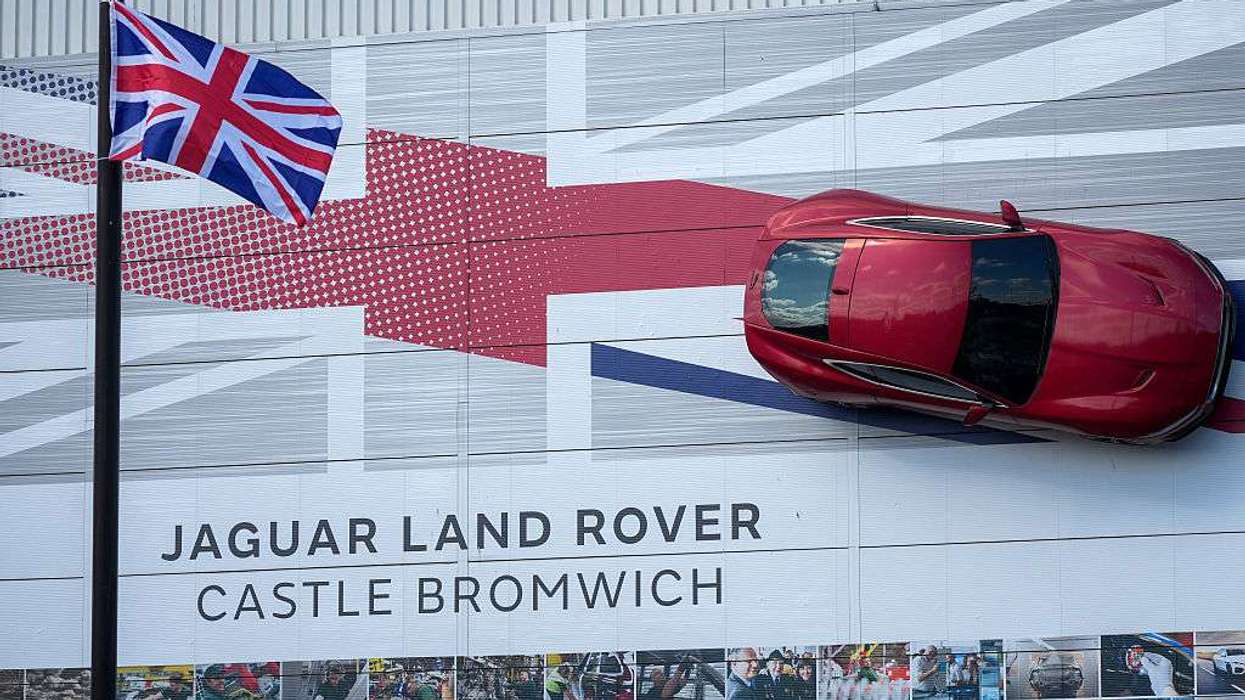
INDIA's Tata Motors-owned Jaguar Land Rover is considering building cars in the US for the first time, after signing a deal with Stellantis, the group that owns Chrysler, Fiat and Peugeot, to explore making vehicles together for the American market.
The move comes as US president Donald Trump's import tariffs take a heavy toll on the British carmaker's finances. JLR employs 33,000 people across 17 UK sites. It's profits collapsed by more than 99 per cent in the year to March — hit by both the tariffs and a damaging cyber attack that disrupted its factories for months.
The US is JLR's most important market, where its Defender and Range Rover SUVs sell strongly. But the company currently has no manufacturing base there, leaving it exposed to a 10 per cent levy on imports.
Sources said that the Stellantis deal opens the door to a range of options, including building cars at an American factory. One possibility being discussed is a tie-up between the Land Rover brand and Chrysler to develop a pickup truck — the best-selling type of vehicle in the US.
JLR chief executive PB Balaji said the firm was exploring "complementary capabilities in product and technology development" with Stellantis to support "long-term growth plans for the US market."
Wave of tie-ups across car industry
The partnership is part of a wider wave of tie-ups across the car industry, as manufacturers look to cut costs and make use of spare factory capacity in a market disrupted by cheap Chinese vehicles and US tariffs.
Stellantis separately announced a joint venture with China's Dongfeng to produce electric vehicles in Europe.The deal marks a significant shift for JLR, which said as recently as last May — when Trump first announced his Liberation Day tariffs — that it had no plans to manufacture in America.
Trade union Unite said it would resist any development that put British jobs at risk, warning that moving enough Range Rover and Range Rover Sport production to the US to make a meaningful difference on tariffs would damage UK manufacturing.
JLR sought to reassure workers, saying it remained "committed to our manufacturing footprint in the UK and the transformation of Halewood and Solihull to produce electric models both for the UK market and global export."
(with inputs from Reuters)