
Highlights
- Akhtar says every filmmaker has the right to express ideas through films
- He challenges the way certain films are branded as propaganda
- The veteran writer links storytelling to changing social values
A defence of creative intent over labels
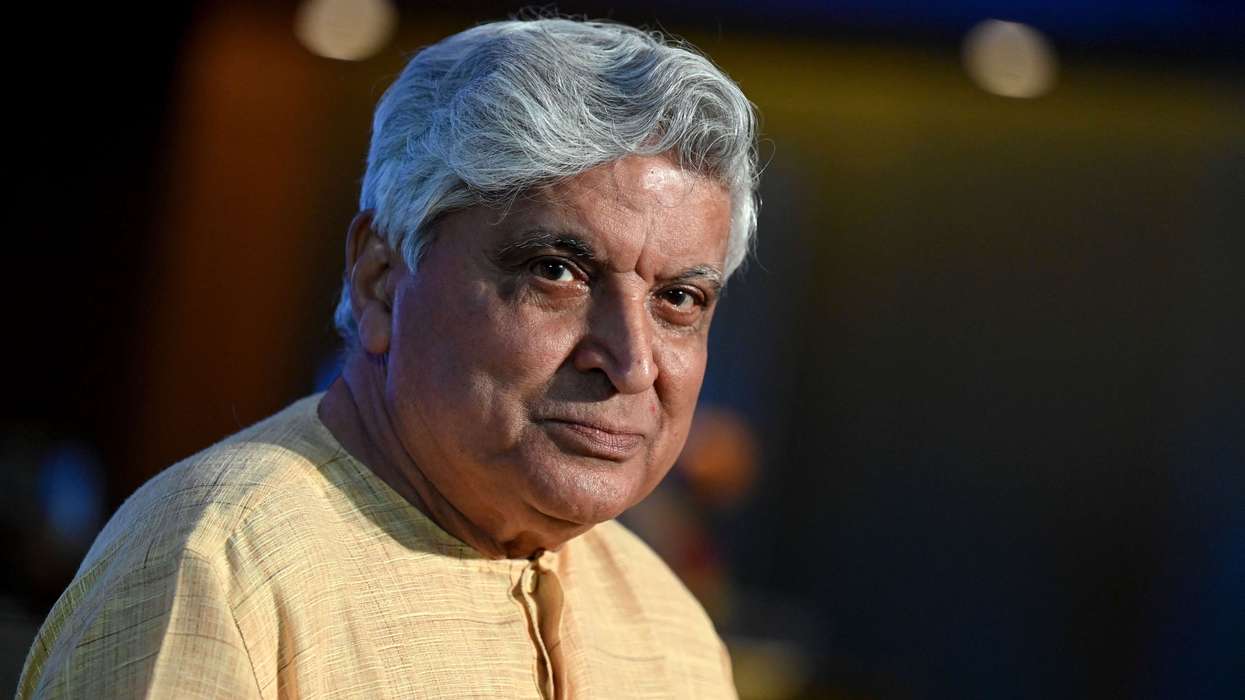
Veteran lyricist and screenwriter Javed Akhtar has pushed back against the growing tendency to categorise films as propaganda, arguing that storytelling has always involved a point of view. Speaking to reporters on the sidelines of an event in Kolkata, where he received a special award from a jewellery brand, Akhtar said he does not subscribe to the way the term is currently used in public debate.
He cited his appreciation for Dhurandhar, noting that he preferred the first instalment to its sequel. For Akhtar, the issue lies less in the content of films and more in how audiences respond to differing perspectives.
“Every story takes some stand,” he said, questioning whether a narrative is labelled propaganda simply because it does not align with certain sections of viewers. He added that filmmakers are ultimately attempting to present what they see as truth.
Stories, ideology and shifting morality
Akhtar pointed out that even films rooted in fantasy are not free from ideological undertones. According to him, every narrative carries a moral position, though audiences may interpret it in different ways.
“Films are like mirrors,” he said, suggesting that cinema reflects the values and concerns of its time. As society evolves, he argued, so do ideas of morality and aspiration, which in turn shape the stories being told on screen.
Beyond cinema: views on society and change
When asked about a warrant issued against Bengali poet Srijato Bandyopadhyay over a poem written years ago, Akhtar declined to comment, citing a lack of information.
On his identity as an atheist, he described atheism as a rational and prejudice-free way of thinking. He also referred to the cancellation of a previous invitation from the West Bengal Urdu Academy, attributing it to intolerance among certain groups.
Looking at broader political shifts, including the rise of the Bharatiya Janata Party at the Centre in 2014, Akhtar said change is inevitable. He added that while not all change is desirable, he remains optimistic about younger generations, expressing confidence that they will shape a better society.
Akhtar also said he hopes to create a mainstream film in the future that connects with both class and mass audiences.