
Highlights
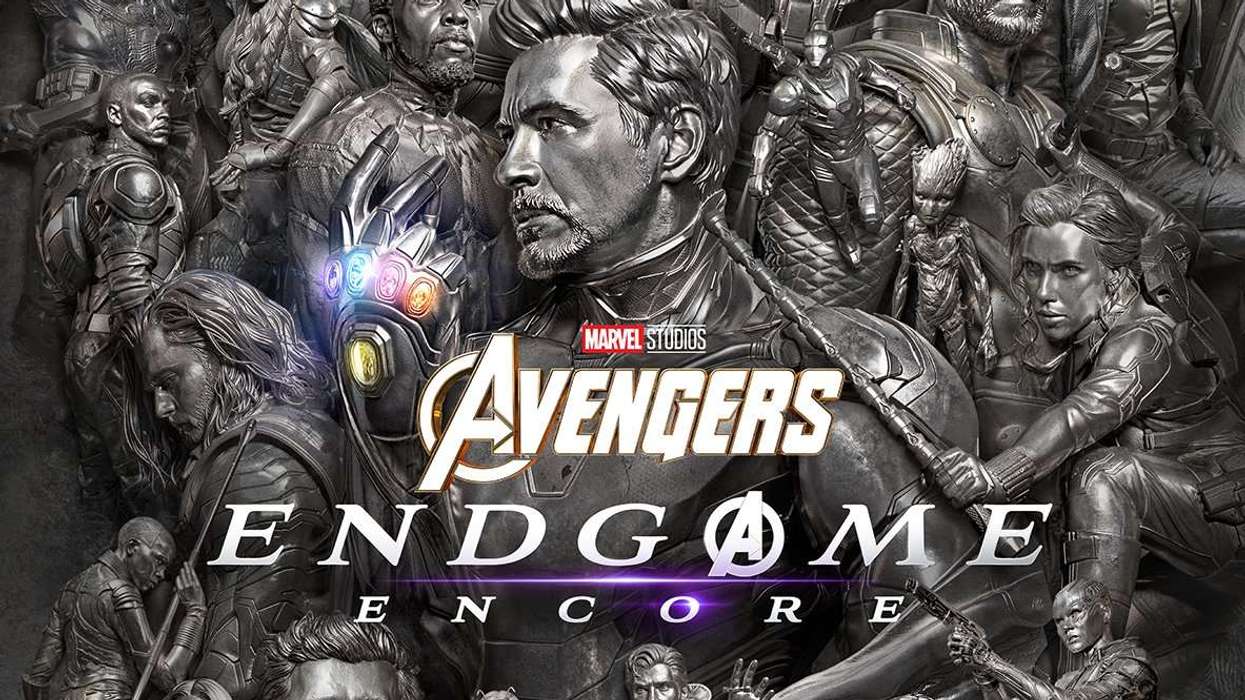
- Avengers: Endgame returns to cinemas on September 25, 2026 as Avengers: Endgame Encore.
- The re-release promises new footage, a Doomsday introduction and a new post-credits scene.
- The decision has sparked debate over whether fans are being asked to pay again for material that could have been released online.
Avengers: Endgame is returning to the big screen seven years after its original release, but nostalgia may not be the only reason Marvel wants audiences back in cinemas.
The re-release has been positioned as a celebration of one of the MCU's biggest films while also serving as a bridge to Avengers: Doomsday. Alongside the familiar 185-minute blockbuster, audiences will reportedly receive new material connected to the upcoming film.
That includes a custom introduction for Doomsday, previously unseen footage and a new post-credits scene designed to build anticipation for the December ensemble movie.
For Marvel fans who have already watched Endgame countless times, those additions could be the main reason to buy another ticket. And that is precisely where the criticism begins.
Is the new footage being used as a ticket hook?
There is a straightforward argument for the theatrical return. Endgame remains a major cinematic spectacle, and seeing it on the big screen in premium formats such as IMAX offers something that watching it at home cannot completely replicate. But the Doomsday material changes the proposition.
If the new footage contains meaningful information about the next Avengers film, fans who want to stay fully caught up may feel compelled to see Endgame again, even if they have little interest in revisiting a film they already own or have streamed repeatedly.
That has led to comparisons with a kind of theatrical paywall. Rather than simply releasing the Doomsday footage online, Marvel is attaching it to a film audiences have already paid to see.
The question, then, is not whether Endgame deserves another theatrical run. It is whether the additional footage provides enough genuinely new value to justify another full cinema admission.
Marvel’s nostalgia strategy comes with a catch
There is also an obvious commercial incentive. Endgame remains one of the highest-grossing films ever released, having earned more than $2.7 billion worldwide during its original theatrical run. Bringing it back gives Disney an opportunity to generate fresh box-office revenue from a proven property while simultaneously promoting its next major Marvel release.
That makes Endgame Encore a particularly efficient marketing strategy. The studio gets the benefit of an established blockbuster, audiences get a large-screen Marvel experience and Doomsday receives months of built-in promotion.
But for some fans, the strategy may feel less like an event and more like another example of MCU anticipation being turned into a purchase.
Ultimately, the reception to Endgame Encore could depend on what those new minutes actually contain. If the added footage meaningfully expands Endgame or provides substantial context for Doomsday, fans may consider the return worthwhile. If it amounts to little more than a brief teaser wrapped around a familiar film, the re-release could struggle to escape the accusation that Marvel is charging audiences to access its next trailer.