- Indian parents rank second globally in support for a social media ban for under-16s, at 75 per cent— behind only Malaysia (77 per cent)
- Generation Z in India leads all countries surveyed in backing a ban, at 73 per cent, against a global average of 51 per cent
- Parents and under-18s are 23 points apart globally on support for a ban (60 per cent vs 37 per cent)
PARENTS in India have recorded the second-highest level of support for a social media ban for under-16s, at 75 per cent, behind only Malaysia (77 per cent), according to new research published by the UK-based education charity, Varkey Foundation.
The Family First report follows Australia's introduction of a social media ban for under-16s, as other countries consider similar measures.
In India, 73 per cent of Generation Z ( those born between 1997 and 2012) respondents also supported such a ban — the highest figure of any country surveyed. This is notable given that Generation Z is the first cohort to have grown up with social media from childhood, the research noted.
"This research highlights a tension many families are experiencing in the digital age," said Sunny Varkey, founder of Family First and the Varkey Foundation.
"Parents around the world are concerned about the impact social media may be having on their children. Our aim with Family First is not simply to debate bans, but to start a broader conversation about how technology is shaping family relationships and the values young people grow up with."
Research agency We Are Family was commissioned to interview more than 6,000 parents, more than 6,000 of their children aged between nine and 18, 3,000 grandparents, and 3,000 Generation Z participants in January and February 2026. The 15 countries covered were India, Argentina, Australia, Brazil, Canada, China, France, Japan, Kenya, Malaysia, Nigeria, Sweden, UAE, UK, and US.
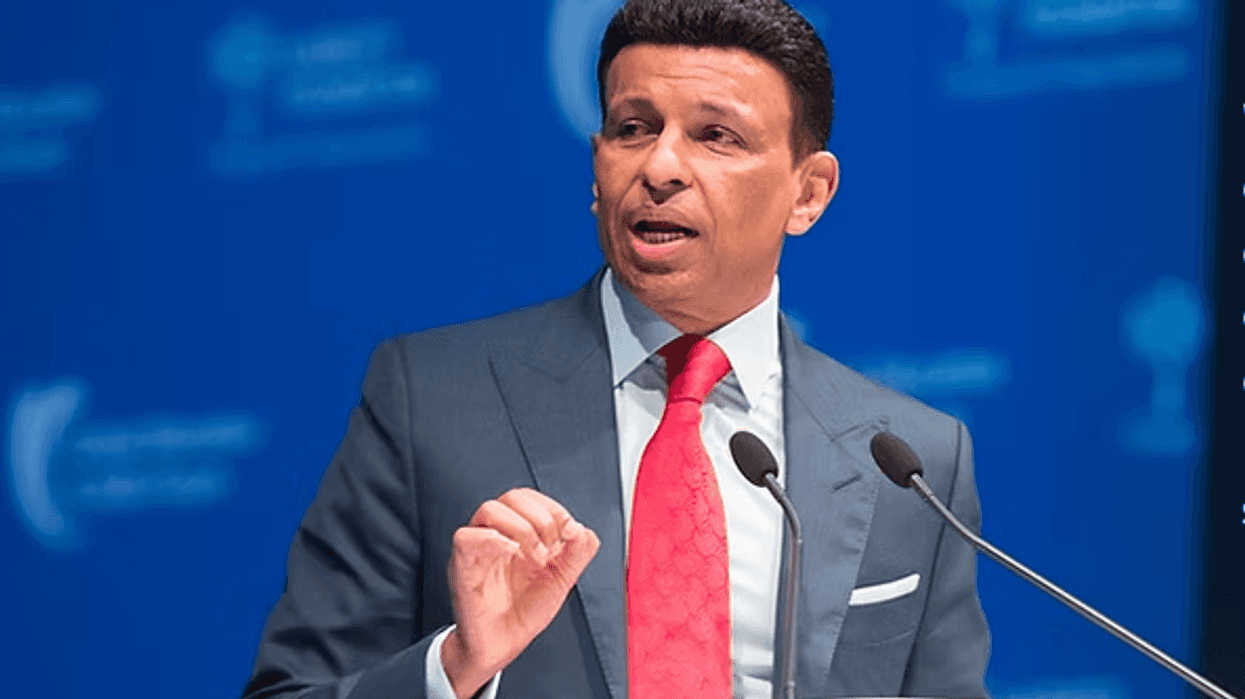 Sunny VarkeyVarkey Foundation
Malaysia, India, and France recorded the highest levels of support for a ban. Japan recorded the lowest, at 38 per cent, followed by Nigeria (39 per cent) and the US (51 per cent). In Australia, which was the first country to introduce such a ban, 66 per cent of parents support the measure.
The report also found a divide between parents and children across the countries surveyed, though India was an exception. Globally, just 37 per cent of under-18s support a ban, compared with 60 per cent of parents — a gap of 23 points. The widest gaps between generations were recorded in Australia (34 points), Sweden (33 points), and Canada (32 points).
Support for a ban among young people was highest in Malaysia and India (both 62 per cent) and China (50 per cent), and lowest in Japan (20 per cent), Argentina, and Sweden (both 26 per cent).
Among Generation Z, support for a social media ban for under-16s was highest in India, well above the global average of 51 per cent. The UAE ranked second at 67 per cent, followed by Malaysia at 65 per cent. The lowest figures were recorded in Japan (28 per cent), the UK, and Canada (both 40 per cent).
(PTI)