Skip to content
Search

Latest Stories

Submit Guest Post

Indian High Commission In UK Marks Tenth Anniversary Of Mumbai Terror Attacks

Indian High Commission in the UK organised a solemn commemorative event on Monday (26) to mark the tenth anniversary of the terrorist attacks in Mumbai on November 26, 2008.

Lord Ranbeer Singh Suri, Lord Navnit Dholakia, Virender Sharma MP, Fergus Auld from FCO, representatives from UK police, high commissioner of Sri Lanka to the UK, and several other community members joined in to remember the victims and to show solidarity in the fight against the scourge of terrorism.


Those present on the occasion observed two minutes silence and lit candles to pay homage in memory of those who lost their lives in this dastardly deed, a release from Indian High Commission in the UK said.

High commissioner, Ruchi Ghanashyam, in her address underlined that this was a crime against humanity which India can never forget. She also stressed the close cooperation and strong commitment between India and the UK to combat terrorism.

Among the precious lives lost in the November 26 (26/11) terror attack was one British citizen and seven British citizens were injured.

Add EasternEye As Your Trusted Source
preferred source on google news

More For You

foreign-criminals-uk

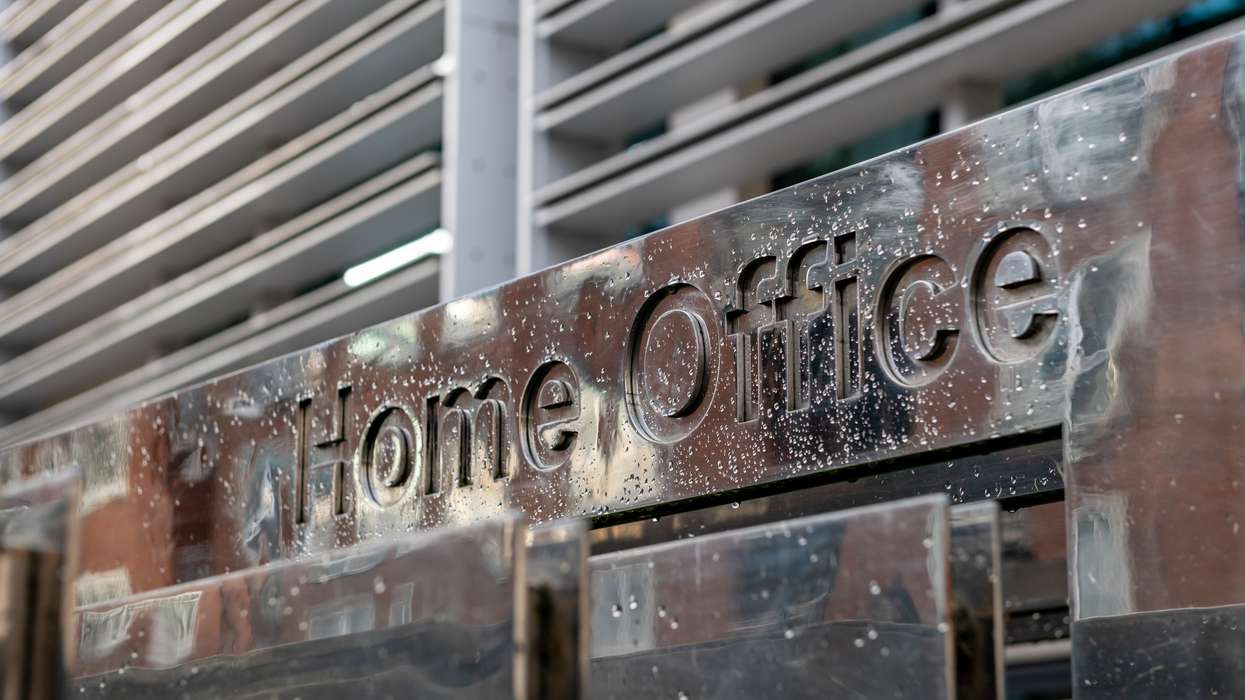
Home Office says nearly 12,000 foreign criminals have been returned or deported since the last election

iStock)

'20,000 foreign criminals living freely in UK despite deportation orders'

Highlights

  • About 20,000 foreign offenders were living in the community in June 2025 despite deportation orders.
  • Deportation rates for offenders from Nigeria and Jamaica were particularly low.
  • Two convicted sex offenders went on to commit further offences after earlier prison sentences.
  • Home Office says nearly 12,000 foreign criminals have been returned or deported since the last election.

AROUND 20,000 foreign criminals were living freely in the UK despite being subject to deportation orders, with fewer than one in 20 offenders from some countries likely to be returned, according to figures reported by the Times.

Keep ReadingShow less