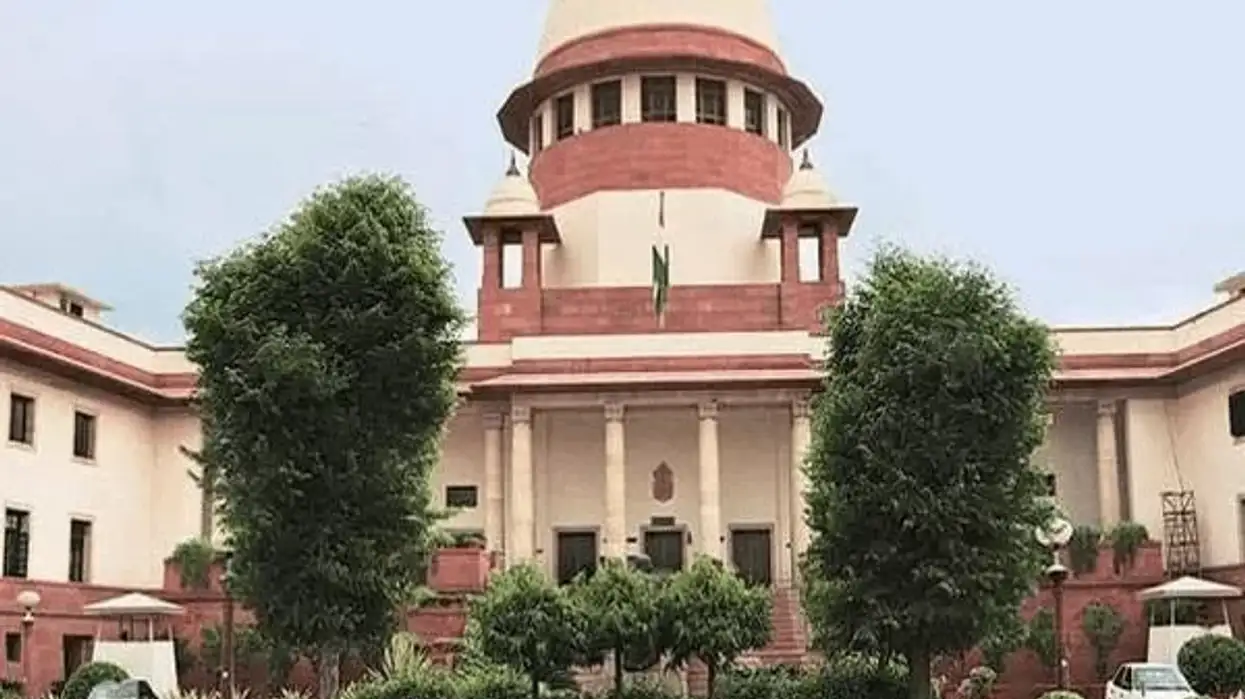

The Indian government on Wednesday (26) urged the Supreme Court to allow Parliament to handle the questions raised in petitions seeking legal recognition of same-sex marriages.
Solicitor General Tushar Mehta, representing the Indian government, presented arguments before a constitution bench headed by Chief Justice DY Chandrachud, stating that the issue was complex and had significant social implications.
Mehta emphasised that the matter of determining what constitutes a marriage and between whom should be decided by the appropriate authority.
The bench, comprising justices SK Kaul, SR Bhat, Hima Kohli, and PS Narasimha, was informed by Mehta that the issue would have far-reaching consequences on various statutes and would require debate in both society and state legislatures.
The hearing on the matter is currently ongoing.
On April 18, during the first day of the hearing, the government had expressed its preliminary objection to the Supreme Court, questioning whether it was appropriate for the court to address the issue at all or whether it should be left to Parliament.
The bench had responded to Mehta, stating that the validity of the preliminary objection would depend on the nature and scope of the petitioners' argument.
Mehta had argued that the subject of same-sex marriage involves creating a socio-legal relationship that falls under the purview of competent legislatures. He further added that since the subject falls under the Concurrent List, the petitions would not be maintainable in the absence of the states being involved.
Mehta reiterated that the primary issue was whether the court had the authority to address the matter or whether it should be left to Parliament.
During the hearing on April 18, the bench clarified that it would not involve itself in personal laws governing marriages while considering the petitions and emphasised that the concept of a man and a woman, as defined by the Special Marriage Act, was not solely based on their biological sex.
The Indian government, in one of its affidavits filed in the apex court, described the petitions as reflecting an "urban elitist" perspective for social acceptance and argued that the recognition of a marriage is a legislative function that should be left to the Parliament rather than the courts.
On April 19, the government requested the Supreme Court to include all states and Union Territories as parties to the proceedings on the petitions, arguing that any decision on the issue without obtaining their views would render the exercise incomplete and lacking.
In a recent affidavit submitted to the Supreme Court, the government disclosed that it had sent a letter on April 18 to all states seeking their views and comments on the "seminal issue" raised in the petitions regarding same-sex marriage.
During the hearing on April 25, the bench observed that Parliament has the undisputed legislative authority over the matters brought up in the petitions seeking legal recognition for same-sex marriage.
The bench also deliberated on the "interstices" left open for the exercise of legislative power and to what extent it should be exercised.
The bench faced several consequential legal questions, such as adoption, succession, intestacy, and laws concerning pension and gratuity where a spouse legally recognized at one point is the beneficiary, in the event of the legalization of same-sex marriage.
(With inputs from PTI)





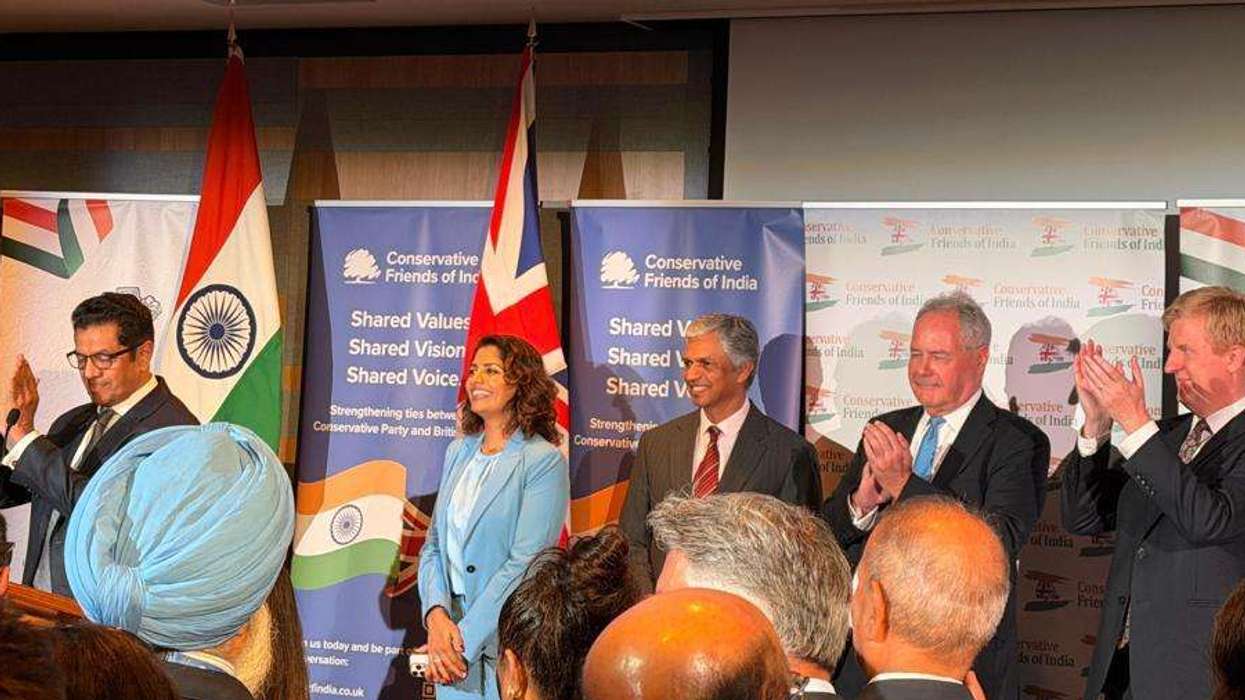
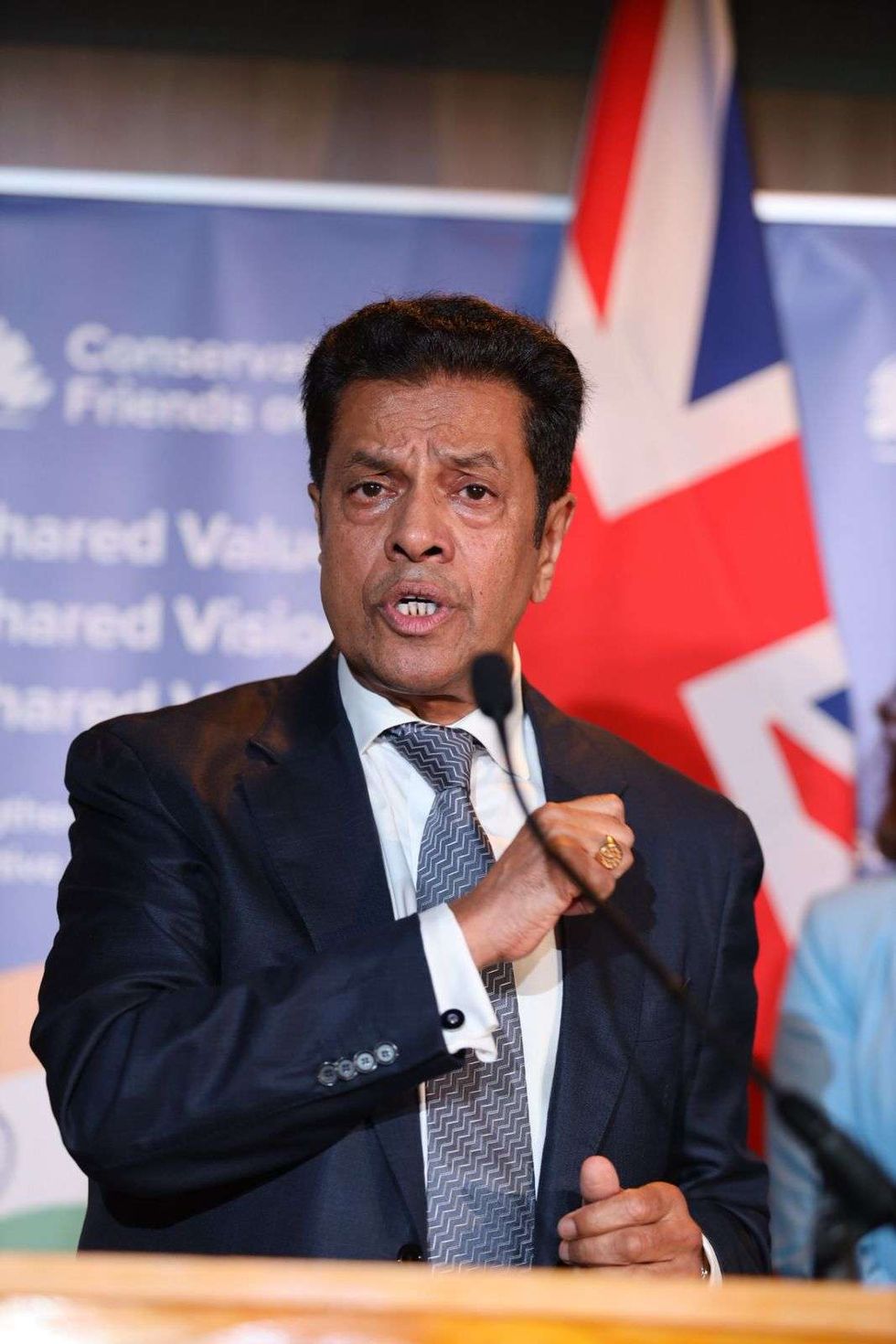 CFIndia co-chair Dr Koolesh Shah CFIndia
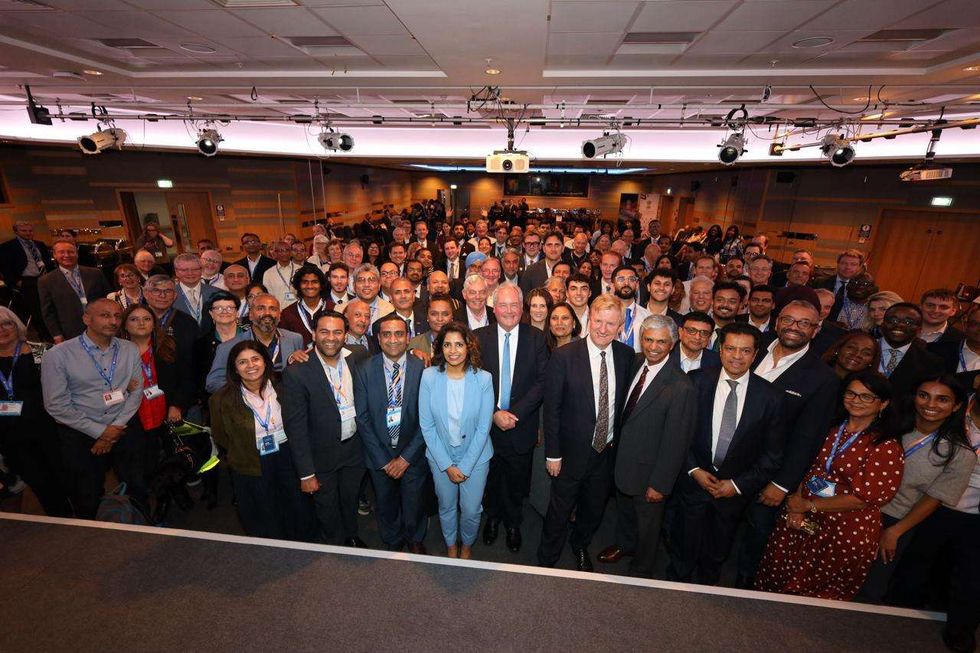 Nearly 500 attended the Conservative Friends of India event.CFIndia
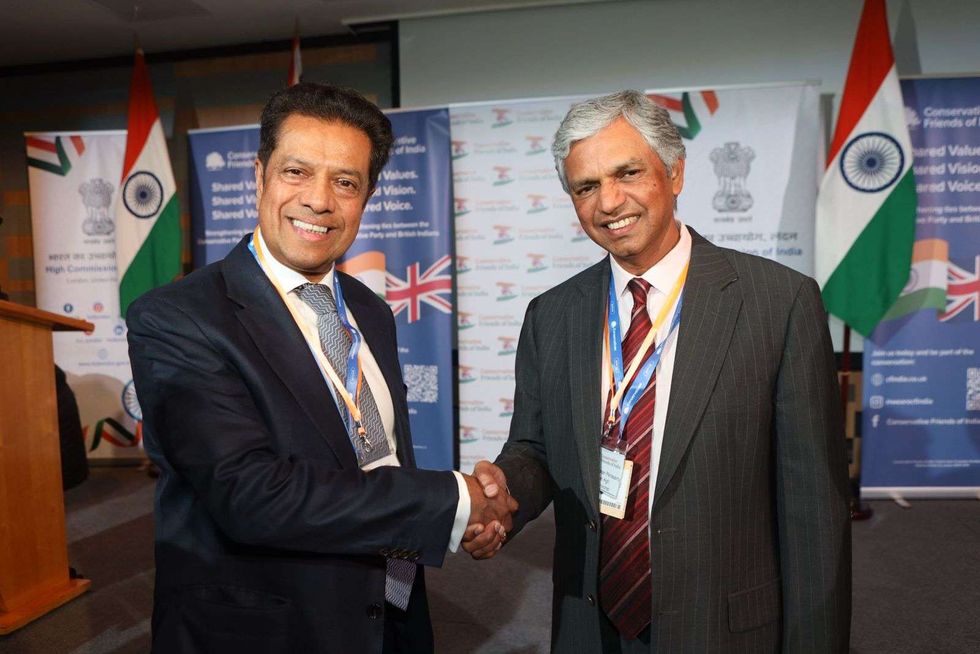 CFIndia co-chair Dr Koolesh Shah with Indian High Commissioner to the UK Kumaran PeriasamyCFIndia