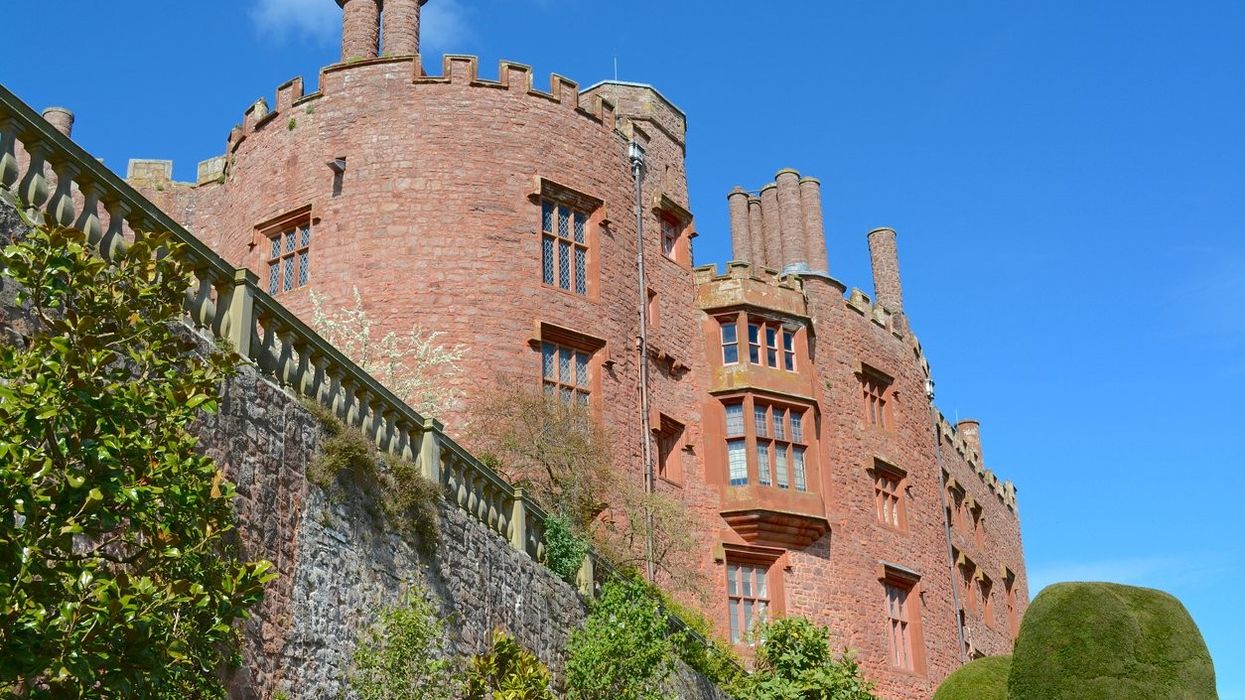

A PICTURESQUE English village in the heart of the New Forest region in Hampshire, southern England, has been honouring its little-known connection to the Indian Army with a captivating exhibition.
Titled 'Red Pepper and Black Pepper – The Indian Army in the New Forest (1914-1916) and Bournemouth,' the exhibition recently opened at the New Forest Heritage Centre in Lyndhurst village. It highlights the bonds of friendship and warmth shared between Indian troops and the local population during the First World War.
The name of the exhibition alludes to the letters home of the Indian recruits which were often censored and hence some of the soldiers referred in code to the British as “Red Peppers” and themselves as “Black Peppers”.
“It was great to see this exhibition in the heart of the beautiful New Forest and see the enthusiasm the residents have for commemorating the events from over a hundred years ago,” said UK-based historian Shrabani Basu, the author of ‘For King and Another Country: Indian Soldiers on the Western Front, 1914-1918’ who delivered a talk entitled ‘Turbans in the Trenches’ at the Community Centre in Lyndhurst.
“The Indian soldiers who came here to train and recuperate during World War I were treated like guests and welcomed into the community. The Indian flag still flies outside the Forest Park Hotel where many Indian soldiers and doctors stayed and a road has been named Meerut Road in their memory,” she shared.
Her talk spotlighted the story of Sukha, an untouchable sweeper from a village in Uttar Pradesh who is buried at Brockenhurst Church in New Forest. He served as a cleaner in the Army camps in France and in the Lady Hardinge Hospital in Brockenhurst, where he became ill with pneumonia and died in January 1915.
But as he was of low caste, it transpired that he could not be cremated at Patcham near Brighton, and because he was a Hindu, he could not be buried in the Muslim burial ground at Woking in Surrey.
So the vicar of the St. Nicholas Church at the time declared that because Sukha had died for England he should be buried at Brockenhurst.
“It is the human stories that bring us all together, and make it important to remember these moments in history,” added Basu.
Pre-Partition India was the largest contributor of men and materials from the British Empire to the First World War effort. Indian soldiers' bravery and achievements resulted in them winning nine Victoria Crosses on the Western Front and other notable battlefield successes.
Considerable efforts were made to meet the soldiers' cultural and religious needs among the local English communities.
The exhibition, co-curated with local historian and researcher Nick Saunders, also explores some of the tougher narratives such as 55 wounded soldiers who did not survive their injuries.
It is the signs of enduring gratitude and affection that are being celebrated with the New Forest exhibition, which runs until August 9, alongside an annual commemoration at a memorial in the nearby village of Barton-on-Sea. (PTI)