Skip to content
Search

Latest Stories

Submit Guest Post

India will allow some exports of anti-malaria drug after Trump appeal

INDIA will allow some exports of the anti-malaria drug hydroxychloroquine, the foreign ministry said on Tuesday (7).

The decision was made after the US president Donald Trump urged New Delhi to release supplies of the drug seen as a possible treatment for COVID-19.


The Indian government had earlier put a hold on exports of hydroxychloroquine as well as on the pain reliever, paracetamol, saying it had to meet its internal demand. But Trump spoke to prime minister Narendra Modi over the weekend seeking supplies and later hinted that India may face retaliation.

"It has been decided that India would licence paracetamol and HCQ in appropriate quantities to all our neighbouring countries who are dependent on our capabilities," said Indian foreign ministry spokesman, Anurag Srivastava.

"We will also be supplying these essential drugs to some nations who have been particularly badly affected by the pandemic," he said.

Add EasternEye As Your Trusted Source
preferred source on google news

More For You

unemployment

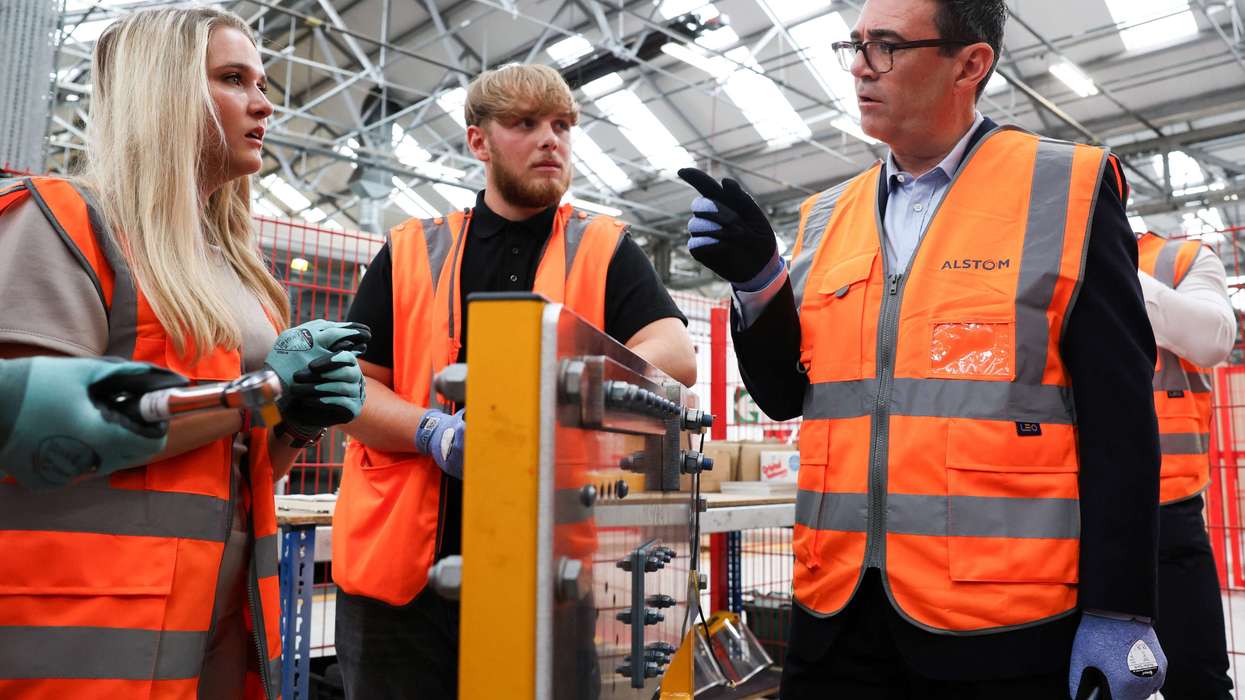
Prime minister Andy Burnham visits Alstom, on the day he unveils new technical educational routes aimed at tackling youth unemployment, on July 28, 2026 in Derby, England.

Getty Images

Nearly 1 million young people out of work or education as Milburn prepares welfare shake-up

  • 981,000 young people in the UK not in work, education or training
  • UK youth unemployment at 15.6 per cent, compared with 3.4 per cent for older workers
  • Milburn to propose curbing sickness benefits for under-25s
  • AI blamed for a “silent hiring freeze” on junior roles

FAISA QAMAR applied for more than 500 jobs and got nowhere, an experience she likened to “shouting into the void”. A 10-week training course tailored to the green energy sector finally landed her a job within a month.

The government hopes to replicate her story on a much larger scale. Next week, it will receive proposals that would restrict sickness and disability benefits for young people to fund back-to-work schemes for the nearly one million 16- to 24-year-olds not in employment, education or training (NEET).

Keep ReadingShow less