
- Frasers Group has bought Harvey Nichols out of administration for an undisclosed sum.
- Four UK stores could be rebranded as House of Fraser or Flannels.
- The Knightsbridge and Edinburgh stores are expected to remain under the Harvey Nichols name.
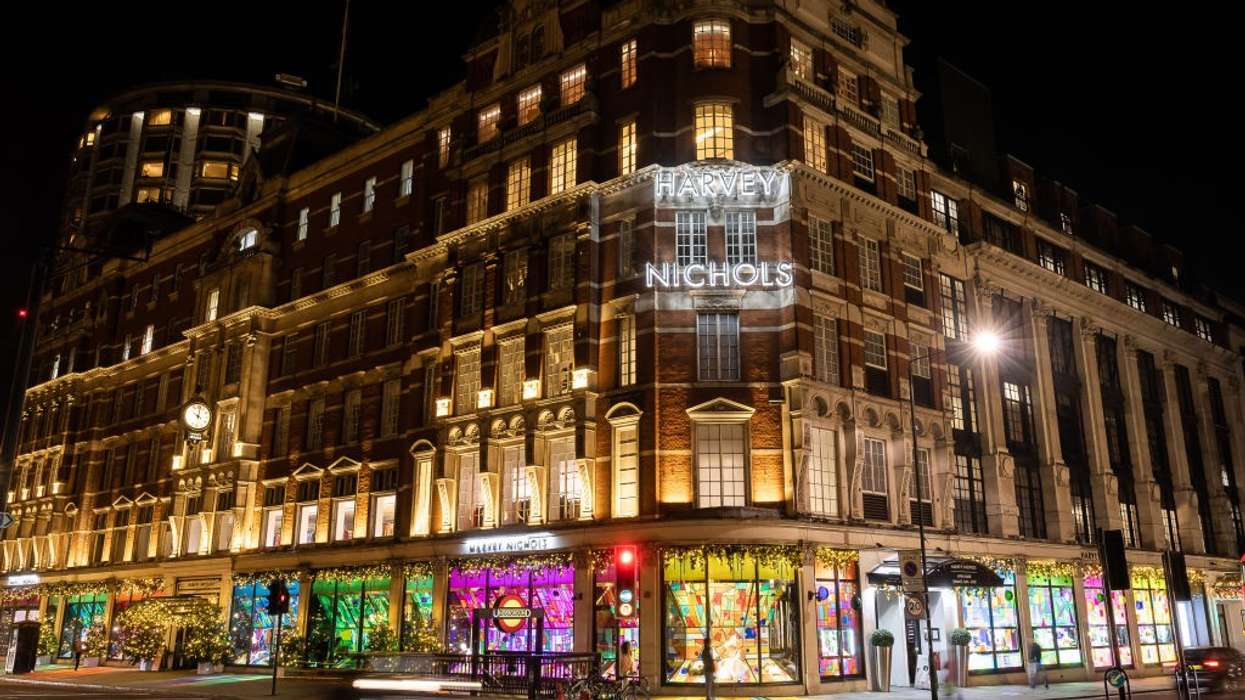
Harvey Nichols has been rescued from administration by Mike Ashley's Frasers Group, but the deal could mark the beginning of a very different future for one of Britain's best-known luxury department stores.
Frasers bought the chain on August 13, the same day Harvey Nichols entered administration, after its accounts warned that the business could run out of money within a year without new funding. The purchase covers its UK stores in London, Edinburgh, Birmingham, Leeds, Manchester and Bristol, while discussions over the Dublin operation remain ongoing.
The deal secures more than 1,000 jobs, according to administrator FTI Consulting, but it does not mean Harvey Nichols will continue in its current form.
Frasers has already said that a significant restructuring will be needed, including a review of the store portfolio, organisational structure, operating model and costs. Ashley has previously indicated that the Knightsbridge and Edinburgh stores would retain the Harvey Nichols name, while the Birmingham, Leeds, Manchester and Bristol outlets could be turned into House of Fraser or Flannels stores.
That makes this less of a straightforward rescue and more of a retail overhaul.
The Harvey Nichols name may become smaller
Harvey Nichols has been part of Britain's luxury retail landscape for decades. Its Knightsbridge store opened in 1889, while the business itself dates back to 1831.
But the brand has struggled since the pandemic, when the loss of wealthy international tourists hit luxury retailers particularly hard. It has also faced competition from Harrods and Selfridges, alongside online luxury retailers and pressure on the spending power of domestic shoppers.
The latest accounts made the seriousness of the situation clear. Harvey Nichols recorded a £105m loss after tax for the year to March 29, 2025, after writing off inter-company loans.
Its directors said the company was not a going concern, warning that it would run out of money within the following year and had no agreement in place for fresh funding.
The business had reportedly received several bids. Next was among the companies interested, but its interest was understood to have been focused on only one or two stores, making Ashley's wider offer more attractive.
Ashley, who controls Frasers Group, had already described Harvey Nichols as being in a “death spiral” and warned that turning it around would be a huge challenge.
Now he has the chance to attempt it.
Frasers chief executive Michael Murray, who is Ashley's son-in-law, reportedly said Harvey Nichols remained an iconic British institution but that “meaningful change” was needed.
He also warned that the turnaround could mean a smaller business in the short term.
That could be the most important part of the deal. Frasers is not promising to preserve Harvey Nichols exactly as it is. It is effectively betting that a leaner version of the business can survive where the larger operation could not.
Ashley knows this playbook
The Harvey Nichols takeover also fits a pattern that has become familiar across Ashley's retail empire.
Frasers bought House of Fraser out of administration in 2018 and subsequently closed about 40 of its 60 stores. The group has also expanded into higher-end fashion through Flannels and built stakes in brands including Hugo Boss and Mulberry.
That makes Harvey Nichols an unusual but logical addition to the portfolio. Frasers already has experience running department stores, while its wider business has been moving further into luxury and premium fashion.
The difference is that Harvey Nichols is not simply another department store. Its value is closely tied to the brand itself, particularly the reputation built around its Knightsbridge flagship.
That could explain why the likely strategy appears to involve keeping the Harvey Nichols name where it carries the greatest weight while using other Frasers brands elsewhere.
The Knightsbridge store is not part of an ordinary high-street estate. It sits in one of London's most valuable luxury retail locations and has long been the centrepiece of the Harvey Nichols identity.
The deal does not include the chain's restaurant at the Oxo Tower either. FTI Consulting said a separate sale was being finalised for the restaurant, which would preserve around 100 jobs and allow it to continue operating.
For Harvey Nichols' remaining employees, the immediate threat of administration may have passed. But the next stage could bring a very different set of changes, from store rebrands and job restructuring to a smaller physical footprint.
Murray reportedly said the group was prepared to make “tough choices” to build a more sustainable business.
So the question is no longer whether Harvey Nichols will survive. It is whether the Harvey Nichols that emerges from Frasers Group will still look much like the one Ashley has just bought.