
TOTAL coronavirus cases in India rose to 548,318, with 19,459 new cases reported in the last 24 hours, the health ministry said. The data showed 380 persons succumbed to the covid-19 in the last 24 hours as the toll increased to 16,475.
The coronavirus recovery rate in India stands at 58.67 per cent as on Monday (29). The number of active cases stands at 210,120, while 321,722 people have recovered.
According to medical research body ICMR, about 8.4 million samples have been tested up to June 28 and over 170,000 were tested on Sunday (28).
Meanwhile, the ICMR has initiated a programme of clinical trials for rapid antigen detection for Covid-19 patients.
According to the government, currently 1,036 diagnostic labs dedicated to Covid-19 are conducting coronavirus tests. This includes 749 in the government sector and 287 private labs. India saw a surge of around 350,000 infections from June 1 till date.
"The Covid related health infrastructure has been strengthened with the availability of 1055 dedicated hospitals with 177,529 isolation beds, 23,168 ICU beds and 78,060 oxygen supported beds; 2,400 dedicated Covid Health Centres with 1,40,099 Isolation beds, 11,508 ICU beds and 51,371 oxygen supported beds have also been operationalised," the government said in a statement.
Besides, 9,519 Covid Care Centres with 834,128 beds are now available to combat Covid-19 in the country, it added.




 Prada confirms Kolhapuri chappals inspired its 2026 Milan collectionInstagram/
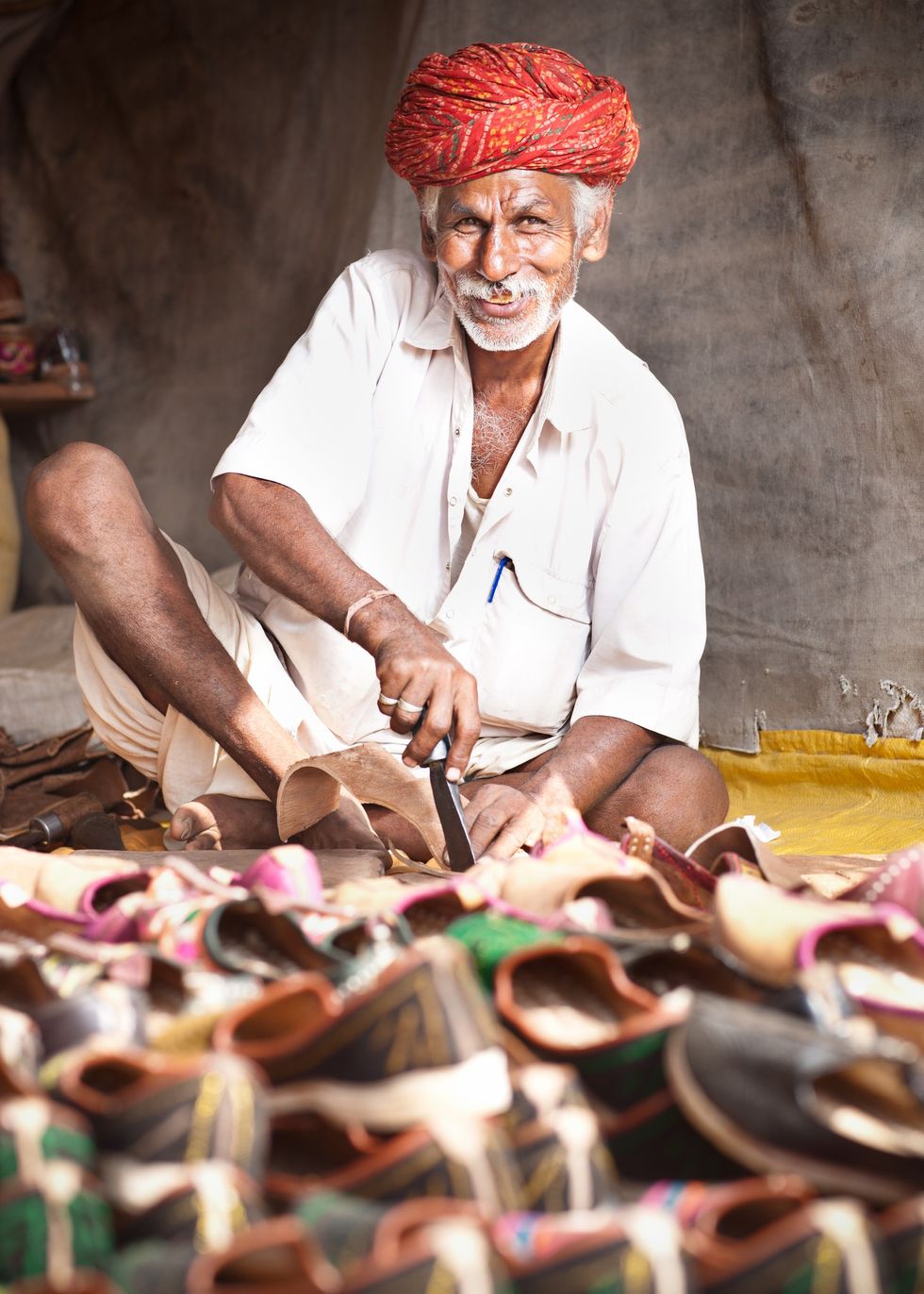 Kolhapuri chappals have been crafted for centuries and received GI tag in 2019 iStock





 Wintour also became synonymous with the Met GalaGetty Images

