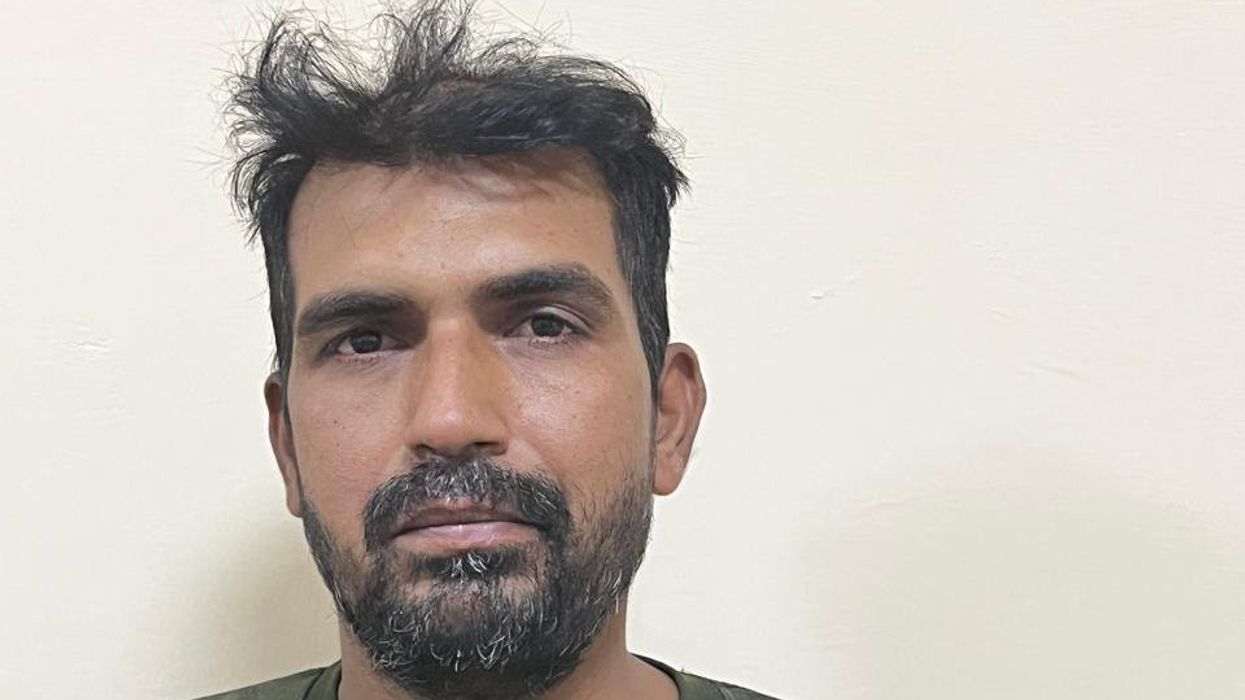
PAKISTAN on Wednesday returned a Border Security Force (BSF) soldier, an Indian border guard, who had been captured a day after an attack in Indian-administered Kashmir in April that killed 26 people.
The attack took place near the town of Pahalgam on 22 April and led to four days of fighting between India and Pakistan. A ceasefire was announced on Saturday.
“Purnam Kumar Shaw, who had been in the custody of Pakistan Rangers since 23 April 2025, was handed over to India,” the BSF said in a statement.
The handover was “conducted peacefully and in accordance with established protocols,” the statement added.
ALSO READ: Modi warns of strong response to any future terrorist attack
No group claimed responsibility for the 22 April attack. India blamed Pakistan for supporting the attackers, leading to strong statements and diplomatic actions from both sides. Pakistan rejected the accusations and called for an independent investigation.
Pakistan said on Tuesday it remains committed to the ceasefire but warned it would respond to any future aggression.
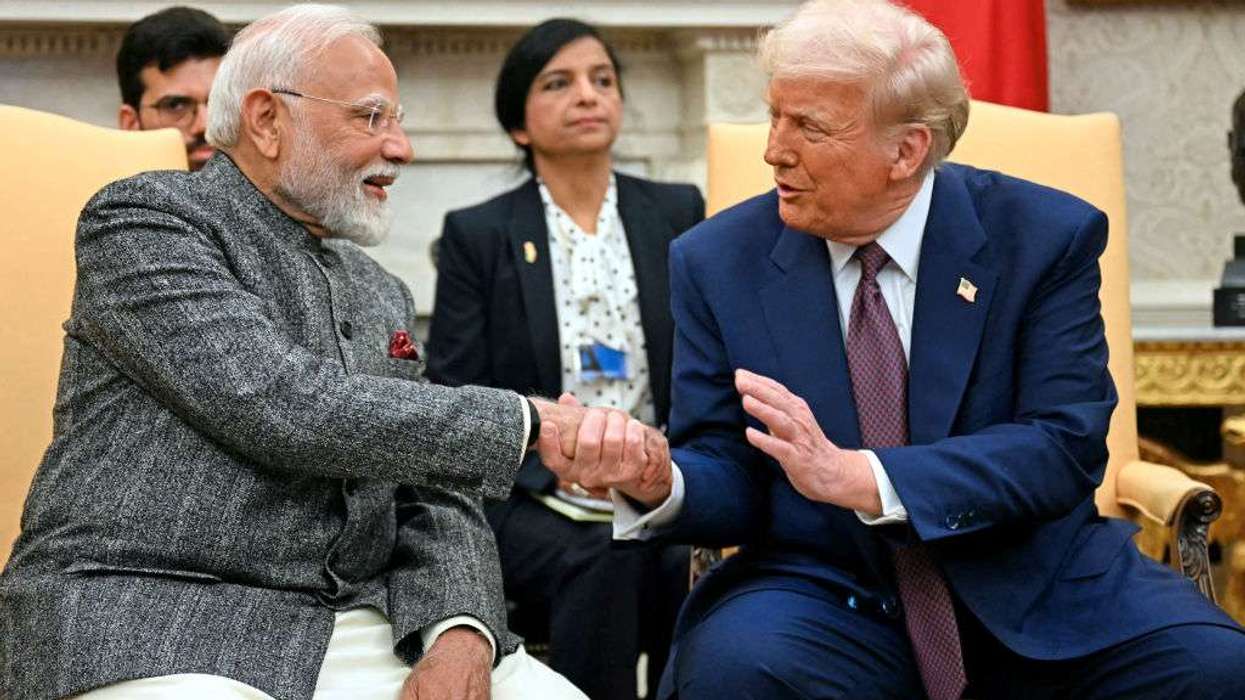
The statement came after Indian prime minister Narendra Modi’s address on Monday, in which he said India would strike “terrorist hideouts” across the border again if there were fresh attacks, and would not be deterred by “nuclear blackmail”.
Both countries used missiles and drones to target each other’s military installations after India said it had hit “terrorist infrastructure” in Pakistan and Pakistani-administered Kashmir on Wednesday. The strikes were in response to the 22 April attack in which 26 Hindu tourists were killed.
ALSO READ: Calm returns after India-Pakistan ceasefire, military talks planned
Pakistan said the Indian strikes hit civilian areas and denied involvement in the Kashmir attack.
Pakistan’s military said on Tuesday that 40 civilians and 11 military personnel were killed. India said five military personnel and 16 civilians died.
The ceasefire was reached on Saturday after diplomatic efforts, including from the United States.
(With inputs from agencies)

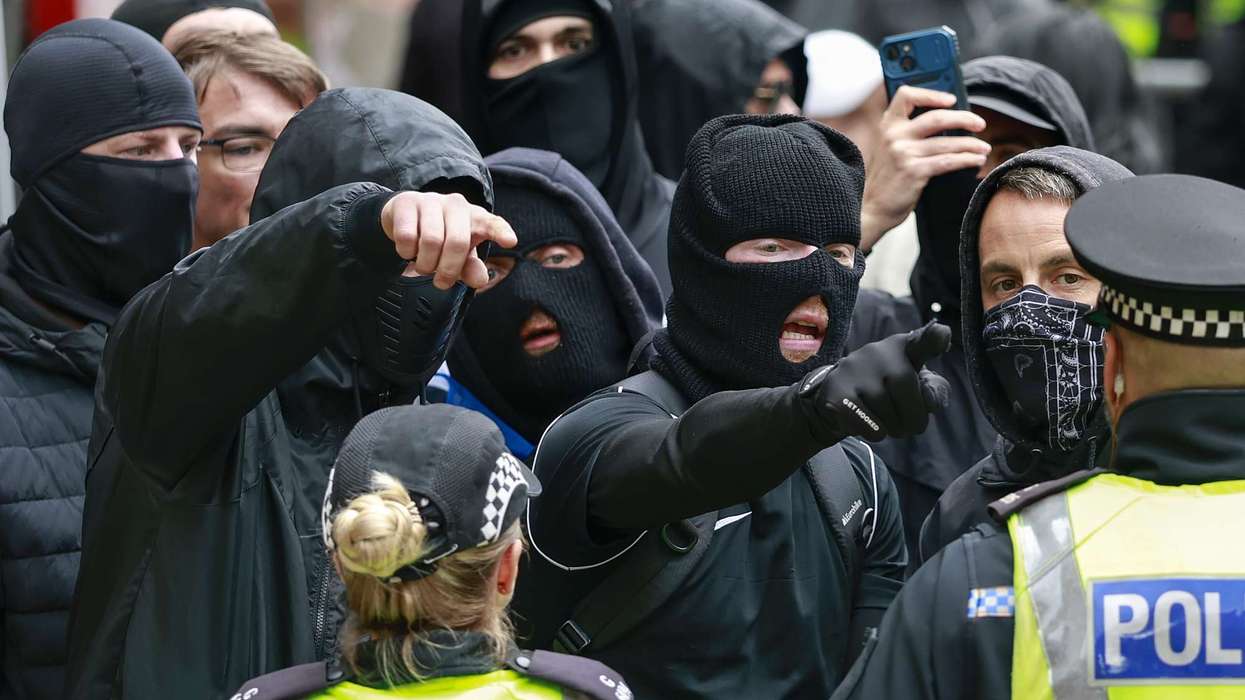
 A burnt out bus on Newtownards Road as the clean-up begins following a night of anti-immigrant riots on June 10, 2026 in Belfast, Northern Ireland. Overnight protests in Belfast turned violent in reaction to a knife attack that took place on Monday night, which left a male victim in his 40's with serious injuries. Getty Images