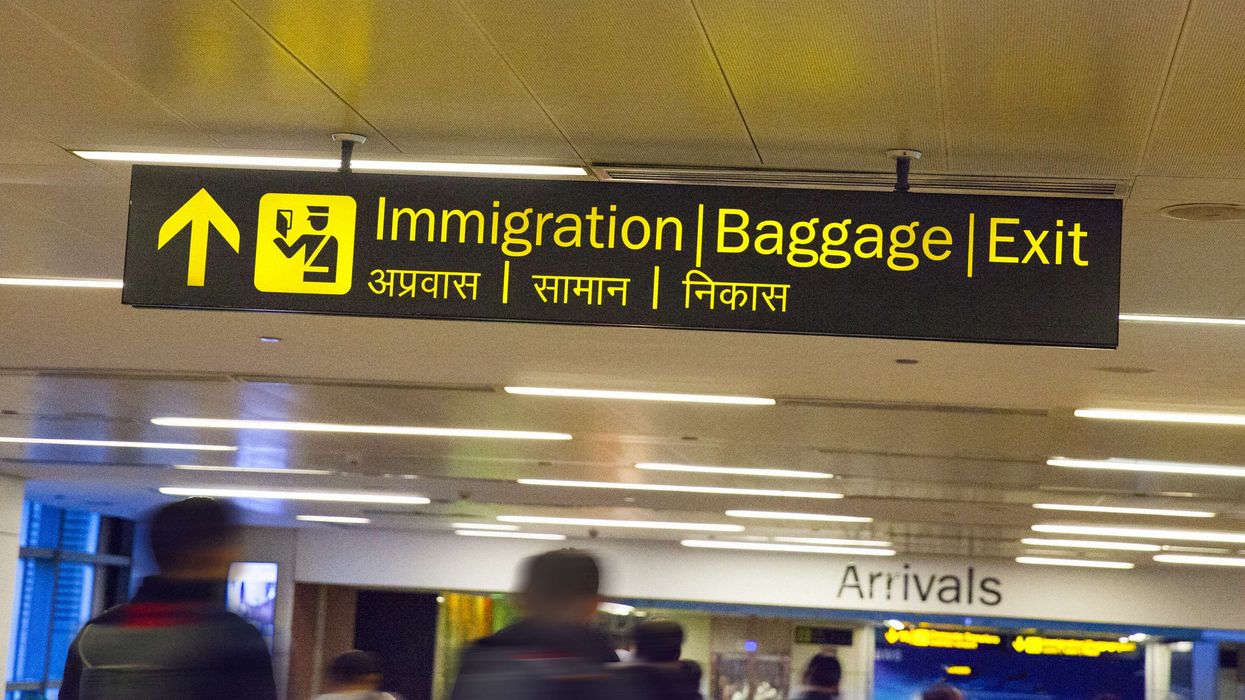

FROM October 1, India will offer foreign nationals the option to use digital e-arrival cards instead of filling physical disembarkation cards when entering the country.
The e-arrival cards will ask for details such as passport number, nationality, purpose of visit, address in India and contact information; no documents need to be uploaded.
Indian nationals and Overseas Citizens of India (OCI) card holders will not need to fill the e-arrival cards, reported The Times of India.
This move is intended to speed up immigration procedures at airports and reduce delays. It will operate alongside the existing Fast Track Immigration – Trusted Traveller Programme (FTI-TTP), which is available to Indian citizens and OCI holders.
The FTI-TTP was launched in 2024 and has been extended to 13 airports, with plans to include the upcoming Navi Mumbai and Greater Noida airports.
A government statement released on September 11 noted: “Travellers now experience no long queues or manual checking, receiving immigration clearance in just 30 seconds without delays. About 3 lakh travellers have registered on (FTI-TTP) portal, of which 2.65 lakh have utilised it during travel.”
The digital arrival card option and expansion of the fast-track service are part of efforts led by the Union Home Ministry, under Home Minister Amit Shah, to harness technology to speed up immigration processes.