
INDIA said its defence exports crossed $4 billion in the last fiscal year, the highest so far, as it seeks to expand its arms manufacturing sector, the government said on Thursday.
The defence ministry said exports rose by more than 60 per cent from 2024, marking an increase as the country aims to position itself as a producer and exporter of weapons.
"India is marching ahead towards becoming a global defence manufacturing hub," the ministry quoted Defence Minister Rajnath Singh as saying.
"This big jump... in defence exports reflects the growing global trust in India's indigenous capabilities and advanced manufacturing strength," Singh said, adding that it had hit an "all-time high" in the fiscal year 2025-26 of 38,424 billion rupees ($4.15 billion).
Government defence companies accounted for nearly 55 per cent of exports, with the rest from private firms.
"This milestone showcases the power of a collaborative and self-reliant defence ecosystem," Singh said.
India exports defence equipment to more than 100 countries, with the United States, France and Armenia among the top buyers, according to the defence ministry.
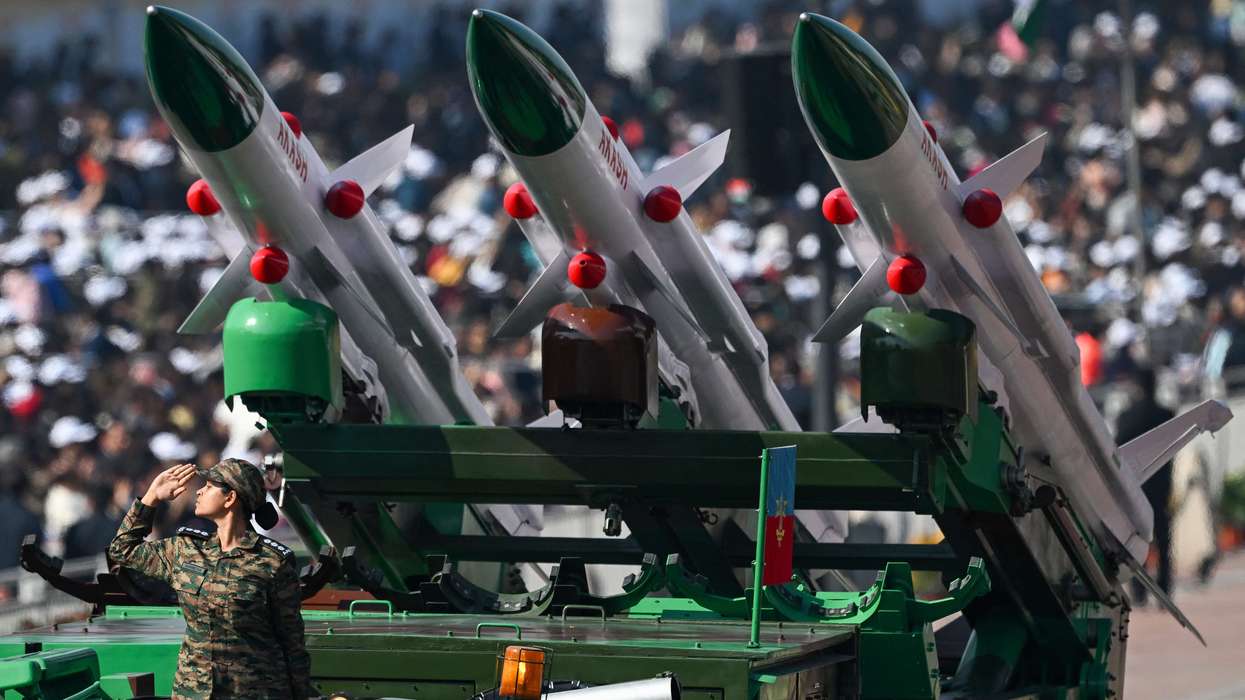
Exports include missiles, boats and artillery, as well as radar systems, rocket launchers and electronic components.
However, India remains primarily an importer and a smaller player in global exports.
New Delhi earlier this year announced a record $85 billion increase in defence spending.
The increase followed a four-day conflict with Pakistan in May that killed at least 70 people, during which both sides used drones and carried out missile and artillery strikes.
India’s arms purchases account for around eight per cent of global imports, according to the Stockholm International Peace Research Institute.