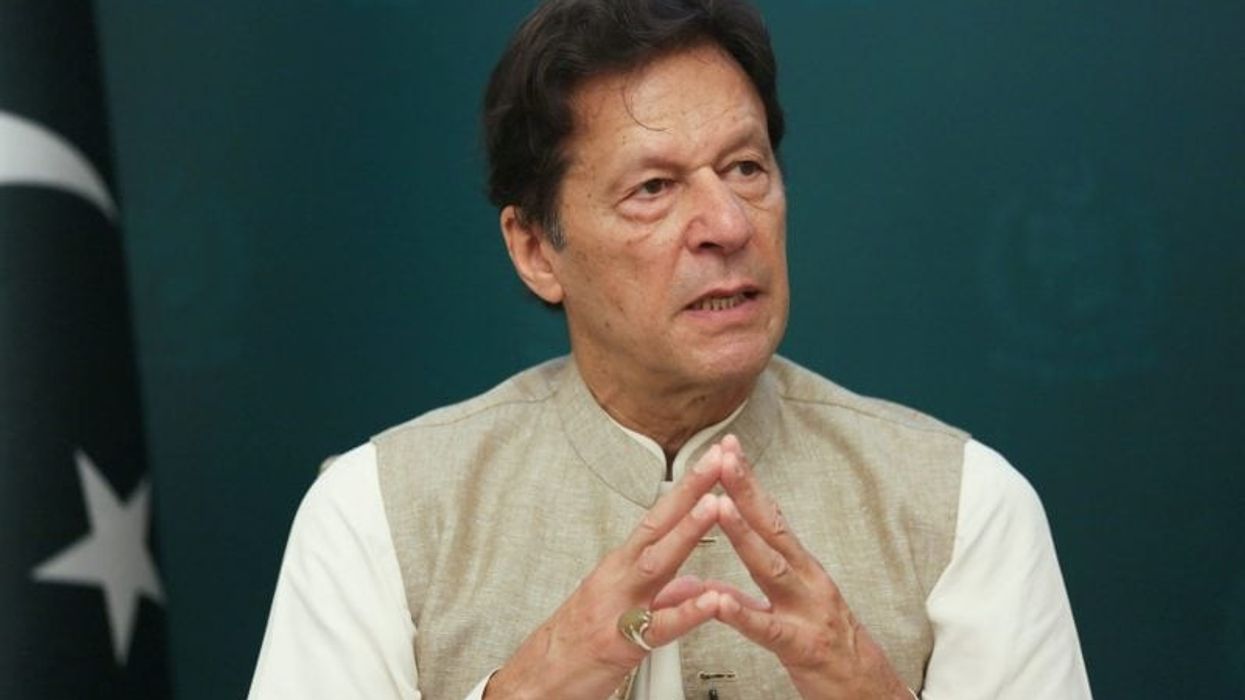

FORMER Pakistani prime minister Imran Khan, who has been convicted and jailed on graft charges, was barred from politics for five years on Tuesday (8), an official order said.
The order by the Election Commission of Pakistan (ECP), seen by Reuters and confirmed by a senior officer, said Khan was disqualified in line with his conviction.
"Imran Ahmad Khan Niazi is disqualified for a period of five years," it said.
Khan's constituency would now stand vacant, the order added.
Under Pakistani law, a convicted person cannot run for any public office for a period defined by the ECP, which could be up to a maximum of five years staring from the conviction date.
"We knew this was inevitable," Khan's aide Zulfikar Bukhari said, adding the party will challenge the disqualification in high court.
"We're highly confident it will be reversed," he said.
Khan, who has denied any wrongdoing, was sentenced to three years of imprisonment on Saturday (5) on charges of unlawfully selling state gifts he and his family acquired during his tenure from 2018 to 2022. He was arrested at his Lahore house and taken to a prison near Islamabad.
Khan's legal team has filed an appeal seeking to set aside the guilty verdict, which Islamabad High Court will take up on Wednesday (9), his lawyer Naeem Panjutha said.
The petition described the conviction as "without lawful authority, tainted with bias", and said Khan, 70, had not received an adequate hearing.
It said the court had rejected a list of witnesses for the defence a day before reaching its verdict, calling this a "gross travesty of justice, and a slap in the face of due process and fair trial".
The court had expedited the trial after Khan refused to attend hearings despite repeated summonses and arrest warrants.
Instability
Khan has been at the heart of political turmoil since he was ousted as prime minister in a vote of no-confidence last year, raising concern about Pakistan's stability as it grapples with an economic crisis.
With Khan out of the political picture for now, all eyes should be turning to an upcoming election, South Asia Institute director at the Washington-based Wilson Center, Michael Kugelman, said.
Any delay in the election - due by November - would fuel more public anger and inject more uncertainty into the political environment, he said.
"That volatility and uncertainty could have implications for political stability but also the economy, if foreign investors and donors become reluctant to deploy more capital in such an environment," he said.
In June, Pakistan secured a last-gasp $3 billion deal with the IMF, which has sought a consensus on policy objectives among all political parties.
Khan's legal team says he is being kept in abject conditions in a small, so-called C-class cell in a prison in Attock, near the capital Islamabad, with an open toilet, when he should qualify for a B-class cell with facilities including an attached washroom, newspapers, books and TV.
A request had been filed on his behalf for an A-class cell with all the facilities he was entitled to.
Interior minister Rana Sanaullah, who spent several months in jail on drug trafficking charges he says were fabricated during Khan's tenure, said that Khan himself had been a proponent of uniformity in prisons.
(Reuters)





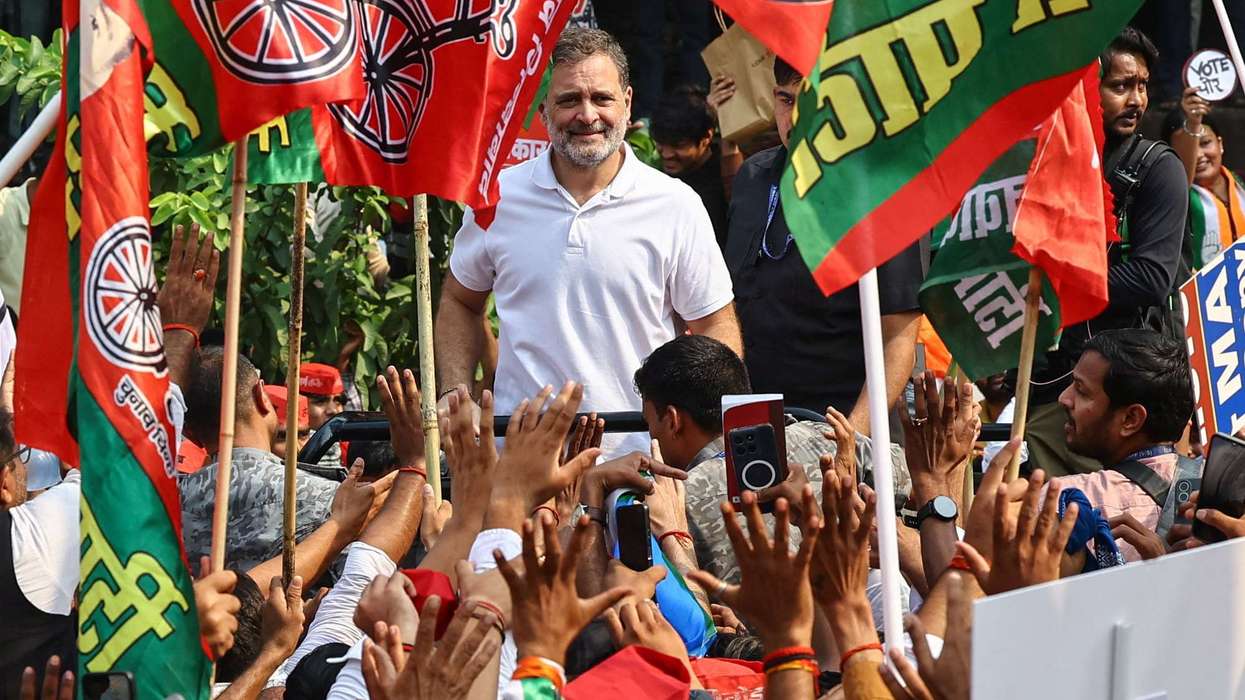
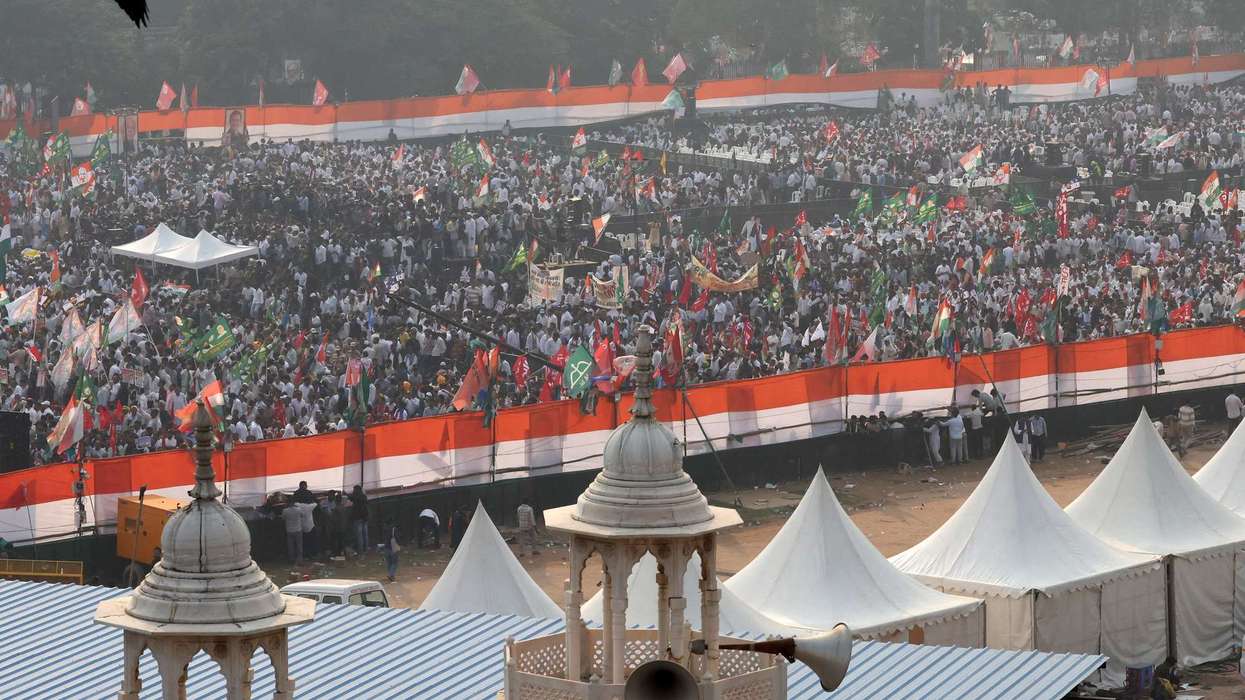 Demonstrators attend a "Save Democracy" march led by Indian opposition leader Rahul Gandhi and Indian National Developmental Inclusive Alliance (INDIA) bloc leaders, amid calls for Chief Election Commissioner Gyanesh Kumar to resign, in New Delhi, India, November 1, 2026. REUTERS/Bhawika Chhabra