Skip to content
Search

Latest Stories

Submit Guest Post

Igor Stimac sacked as head coach of India's men's football team

Igor Stimac sacked as head coach of India's men's football team

The All India Football Federation (AIFF) has sacked Igor Stimac as the head coach of the senior men's football team after a disappointing run in the 2026 FIFA World Cup Qualifiers.

Stimac, who became head coach in 2019, was granted an extension by the AIFF last year.


India failed to reach the third round of the World Cup qualifiers following a 1-2 defeat against Qatar in their final second round match.

"Noting the disappointing outcome of the Senior Men's National Team's FIFA World Cup 2026 qualification campaign, the members unanimously agreed that a new Head Coach would be best placed to take the team forward," the AIFF stated.

"A notice of termination has been issued to Mr Stimac by the AIFF Secretariat, and he stands relieved of his obligations with immediate effect."

Stimac, 56, was part of the Croatian team that reached the semifinals of the 1998 World Cup. He took charge of the Indian team in 2019 after Stephen Constantine's departure.

During Stimac's tenure, India won four major trophies, including two SAFF Championships, one Intercontinental Cup, and a Tri-Nations Series.

(PTI)

Add EasternEye As Your Trusted Source
preferred source on google news

More For You

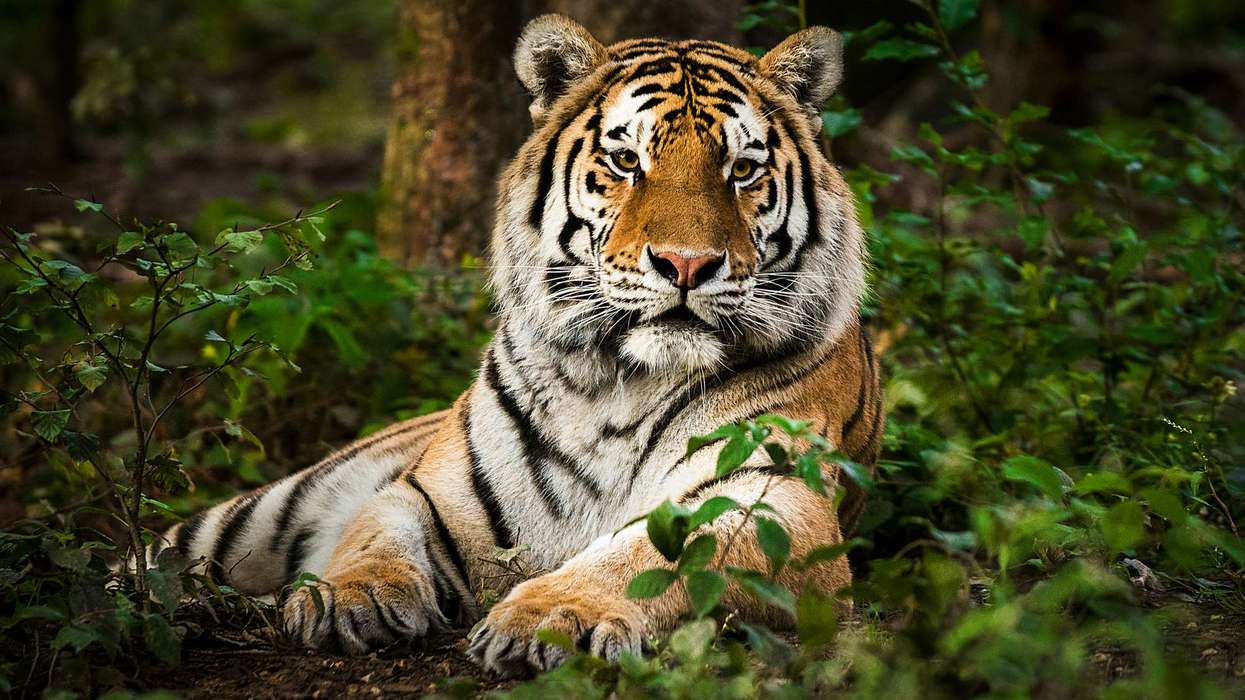
6 reasons there is an increase in tiger attacks in the last three years in India

These incidents reflect the growing challenge of managing encounters between people and tigers in India. Official figures cited in a India's Lok Sabha answer on 3 August 2026 recorded 74 deaths from tiger attacks in 2024 and 71 in 2025.

6 reasons there is an increase in tiger attacks in the last three years in India

Highlights:

  • India recorded 74 tiger-attack deaths in 2024 and 71 in 2025.
  • Habitat loss and growing tiger populations are pushing animals closer to human settlements.
  • Farmers, cattle grazers and villagers collecting forest produce face significant risks.
  • Crowds filming tigers can make encounters more dangerous, as incidents at Bandhavgarh and Ranthambore show.
  • Better habitat management, early warnings and responsible wildlife tourism could help reduce human–tiger conflict.

  • The fatal tiger attack at Yorkshire Wildlife Park in Doncaster has highlighted the dangers of close encounters with one of the world’s most powerful predators. The incident has also raised questions about human behaviour around wild animals and the risks of entering their space. While such incidents involving visitors are relatively rare, the threat of human–tiger conflict is a far more frequent concern in India, where dozens of people are killed by tiger attacks every year.

    Keep ReadingShow less