BRITAIN is offering millions of people arriving from Hong Kong a chance to live and work in the country and later also apply for citizenship.
China's imposition of new security laws in Hong Kong has led Britain to start an initiative to resettle five million people.
Moreover, Britain is funding this initiative with 43 million pounds to help the arriving people find jobs, houses and schools.
The bulk of the funds will be spent by the local government on programmes to help with English language support and housing costs for new arrivals. There will also be 12 regional offices launched to help the people register for healthcare and schools.
These 'Welcome Hubs' will also provide advice on how to set up businesses in Britain.
"This programme will ensure British National (Overseas) status holders and their families have the very best start as soon as they arrive, and support to help them find a home, schools for their children, opportunity and prosperity," said communities minister Robert Jenrick.
Britain says Chinese-imposed security laws and democracy reforms in Hong Kong have violated the terms of the agreement that saw the semi-autonomous city handed back to China in 1997. Ministers say the visa programme is a way of honouring its side of that deal.
China has reacted angrily to the offer and says the West's views on its actions over Hong Kong are clouded by misinformation and an imperial hangover.
Since its launch in January, around 27,000 people had applied for the new visa as of March 19. Although overall estimates of demand are uncertain, the government forecasts between 258,000 and 322,000 applicants over five years.
The programme is open to 2.9 million people classed as British National (Overseas) - a special status that specifically relates to Hong Kong - and a further 2.3 million eligible dependents.




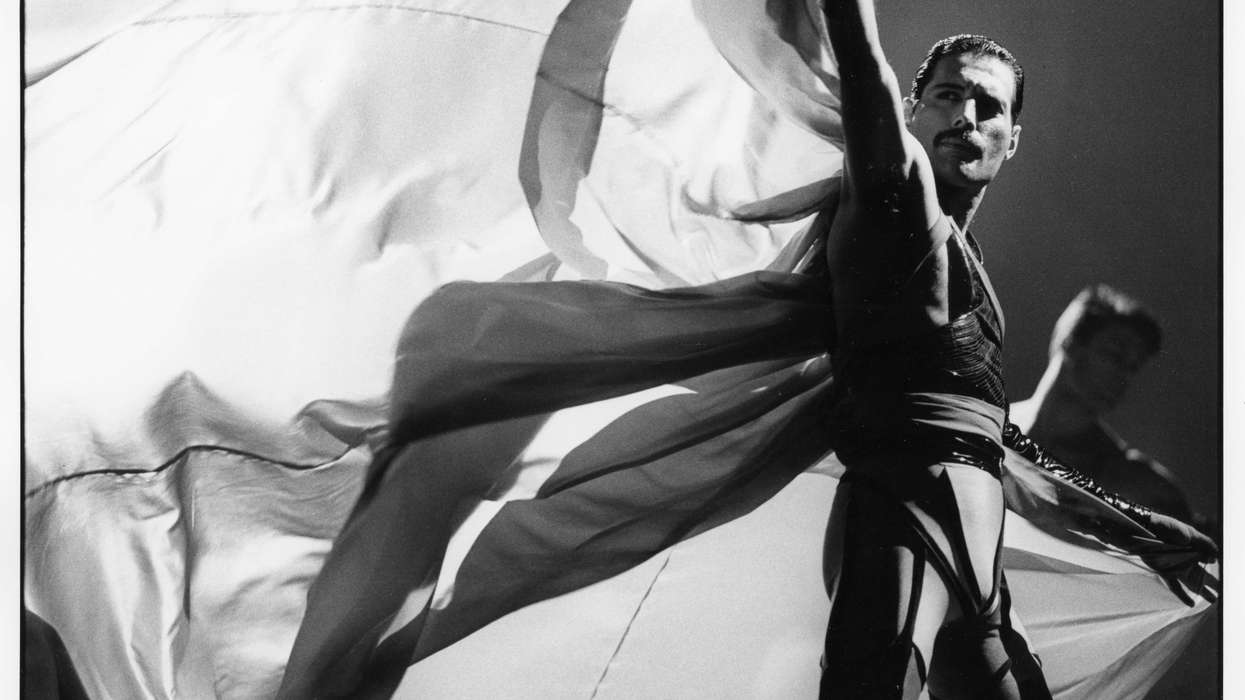
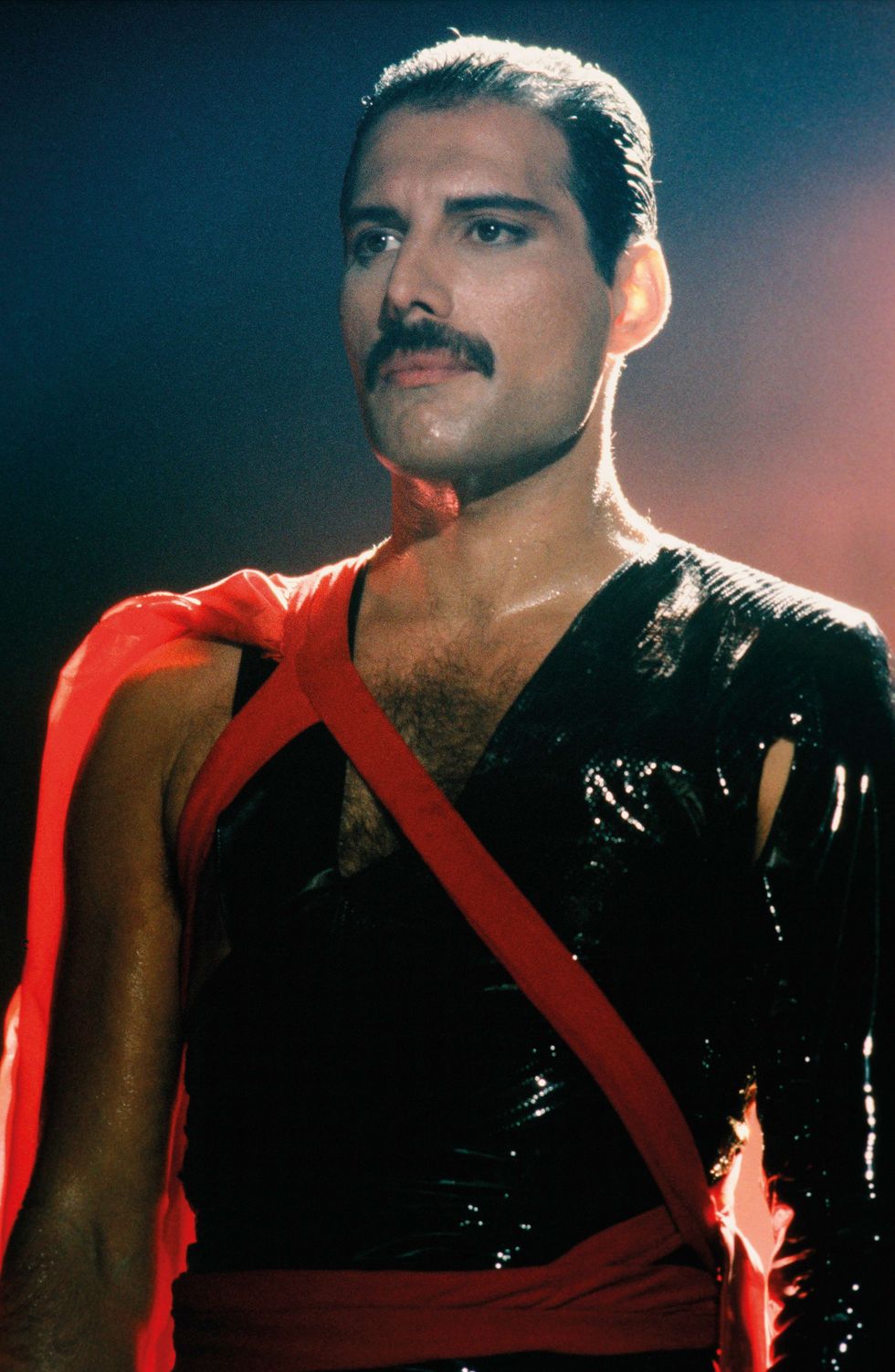 Freddie Mercury in the Made in Heaven music videoSimon Fowler © Mercury Songs Ltd
 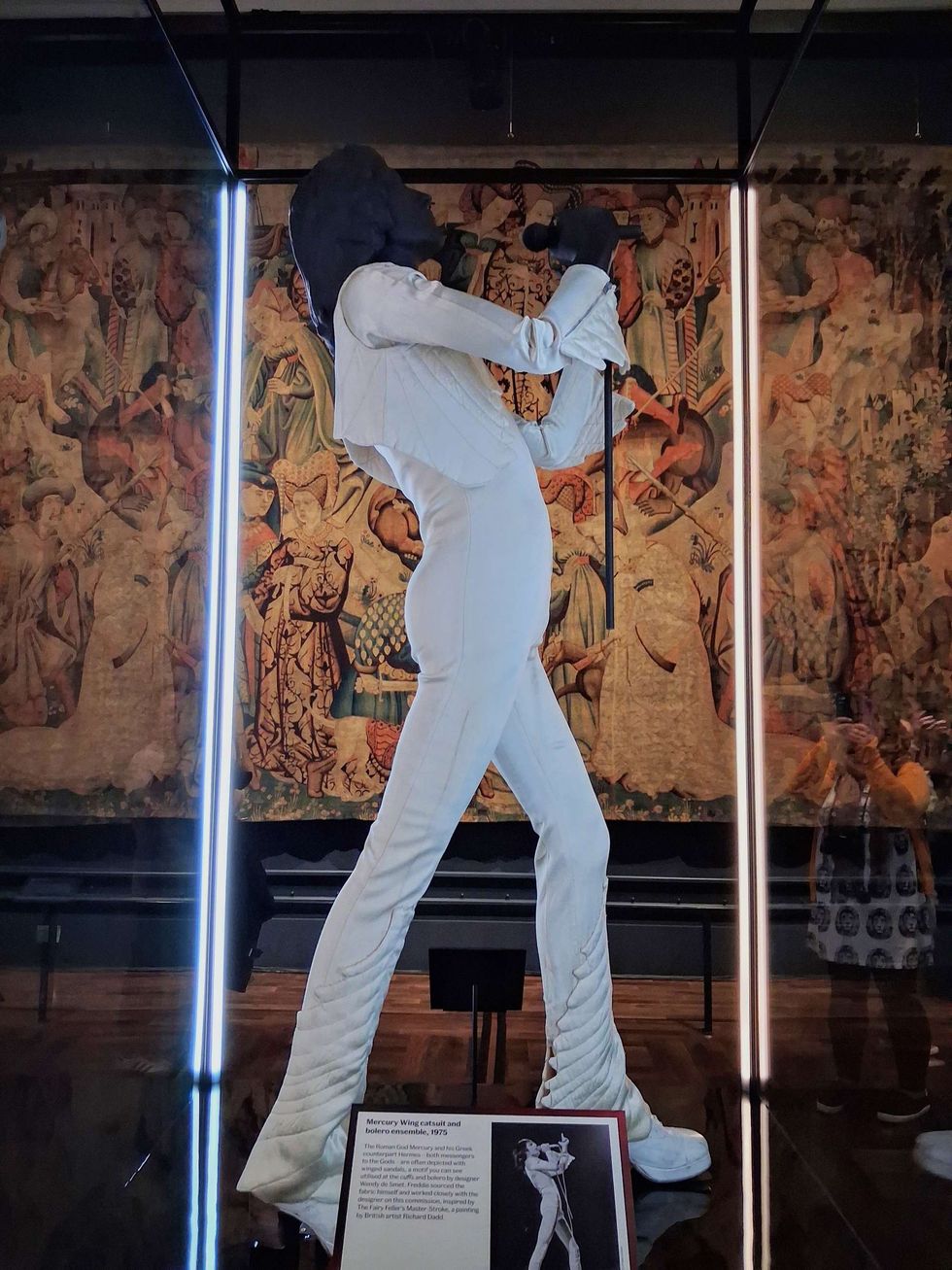 Mercury Wing Catsuit and bolero ensemble (1975)Amit Roy
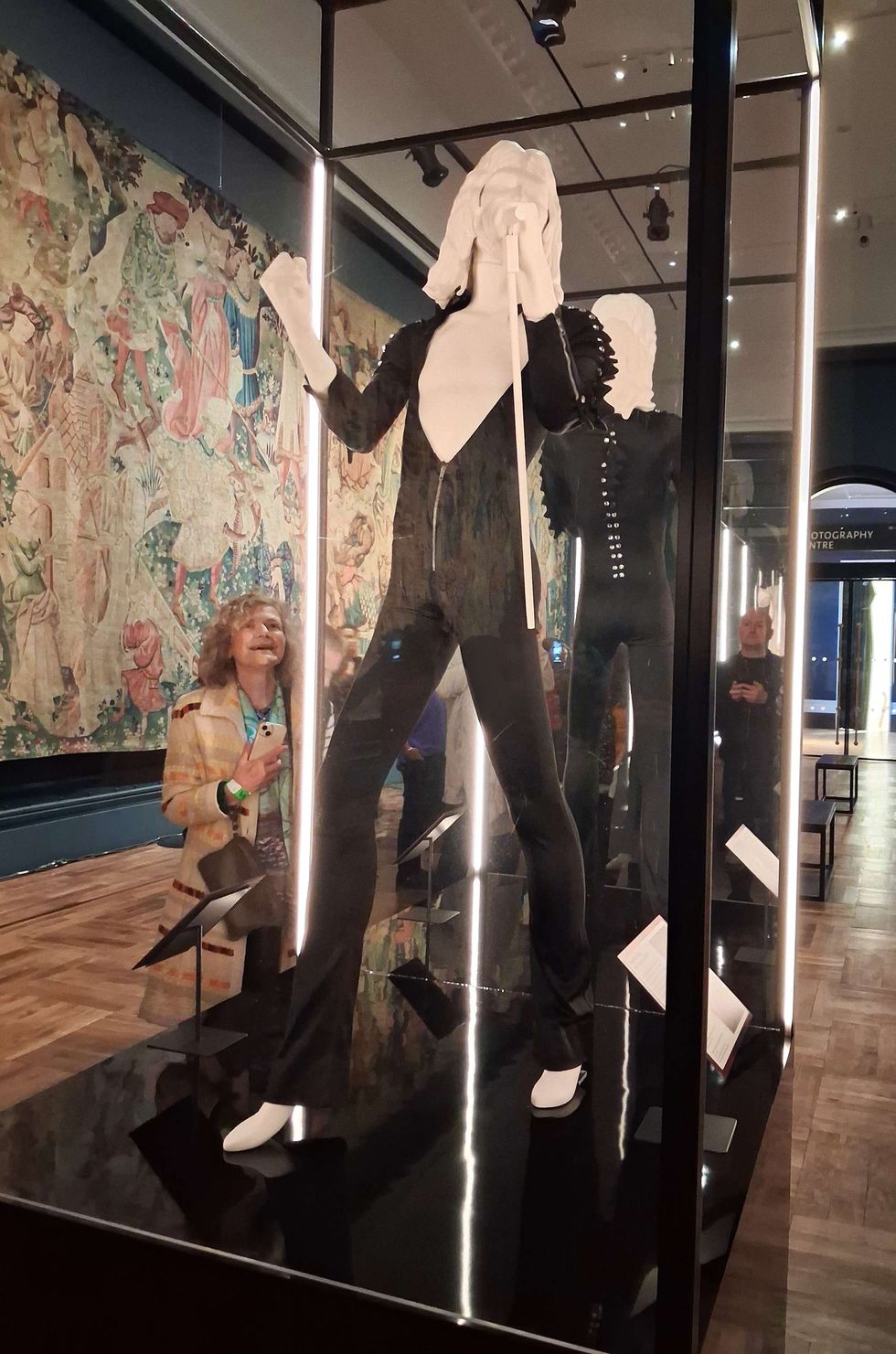 Designer Wendy de Smet with the spine suit or the Black Queen suit from 1975 Amit Roy
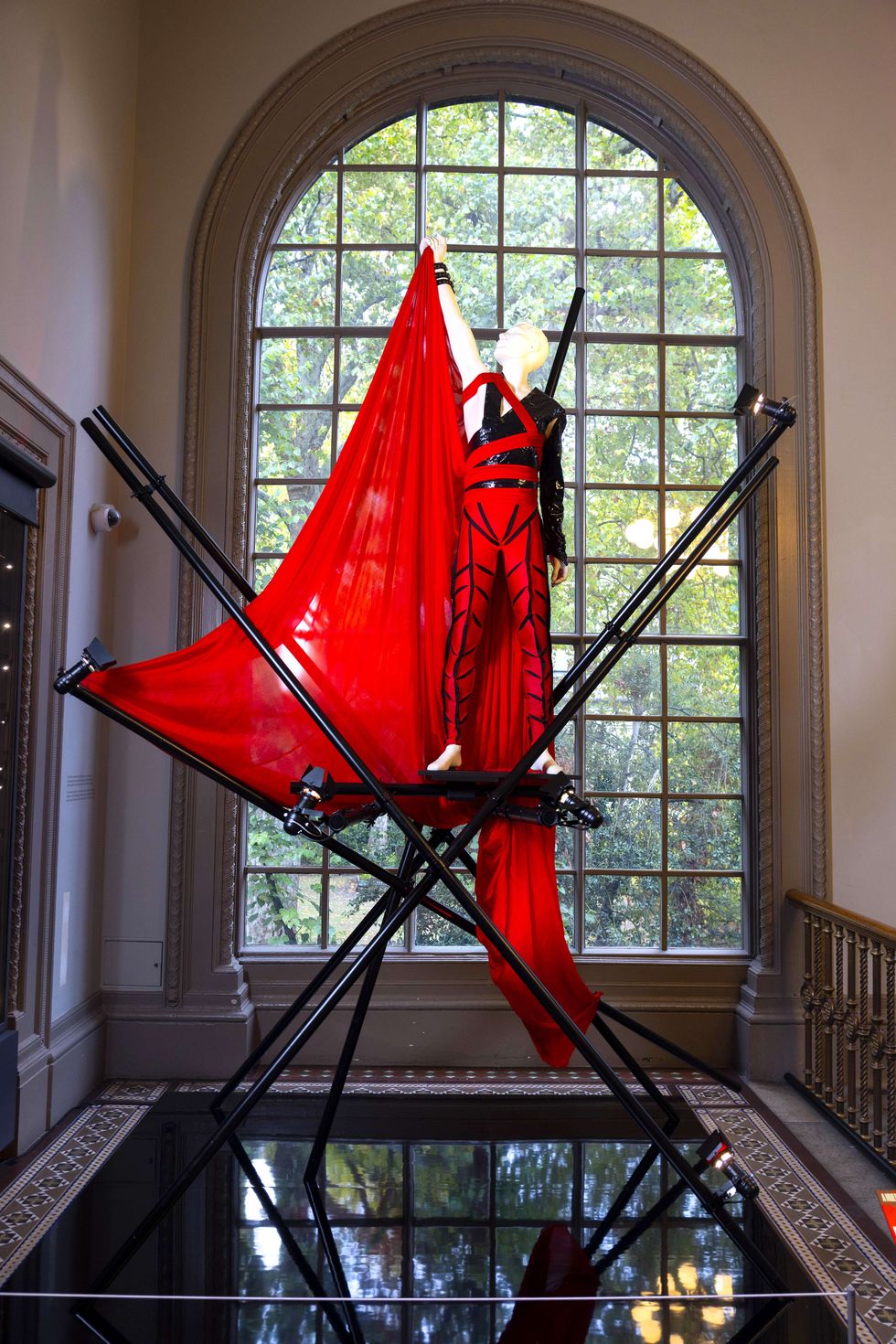 Made in Heaven music video costume (1985) David Parry/V&A
 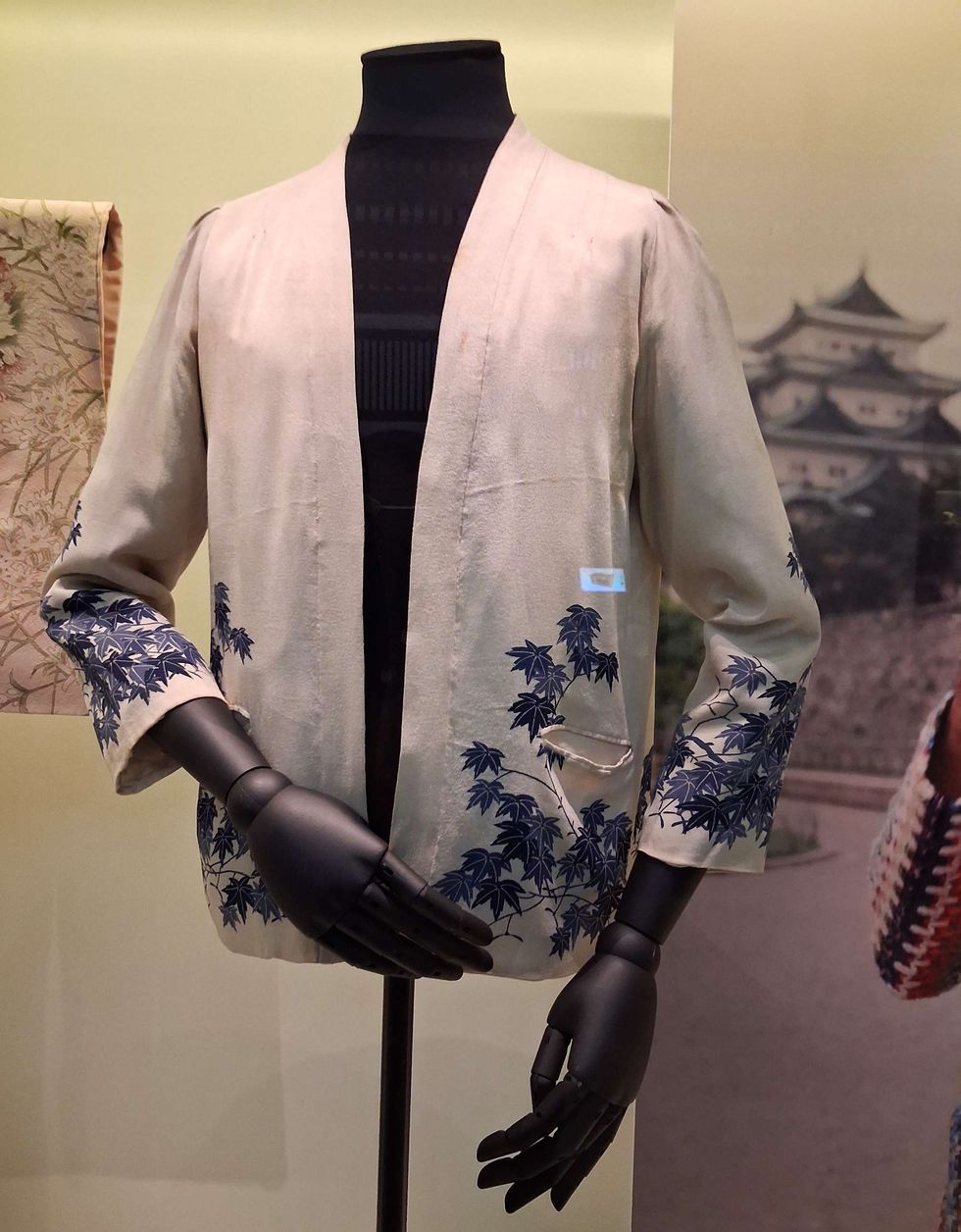 Japanese jacket (early 1970s)Amit Roy
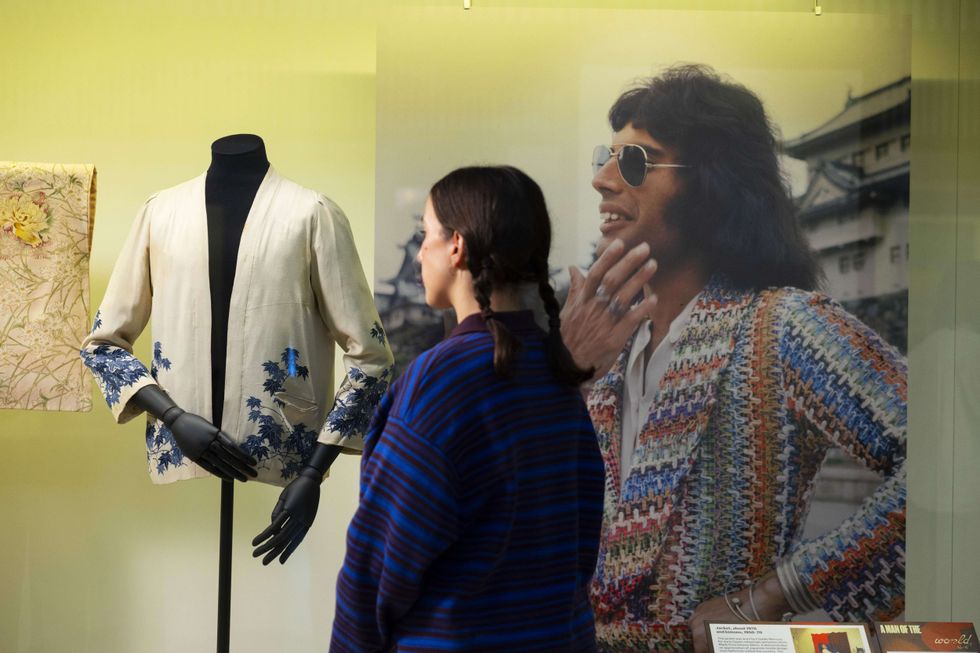 Japanese jacket (early 1970s) and kimono (1950-70) David Parry/ V&A
 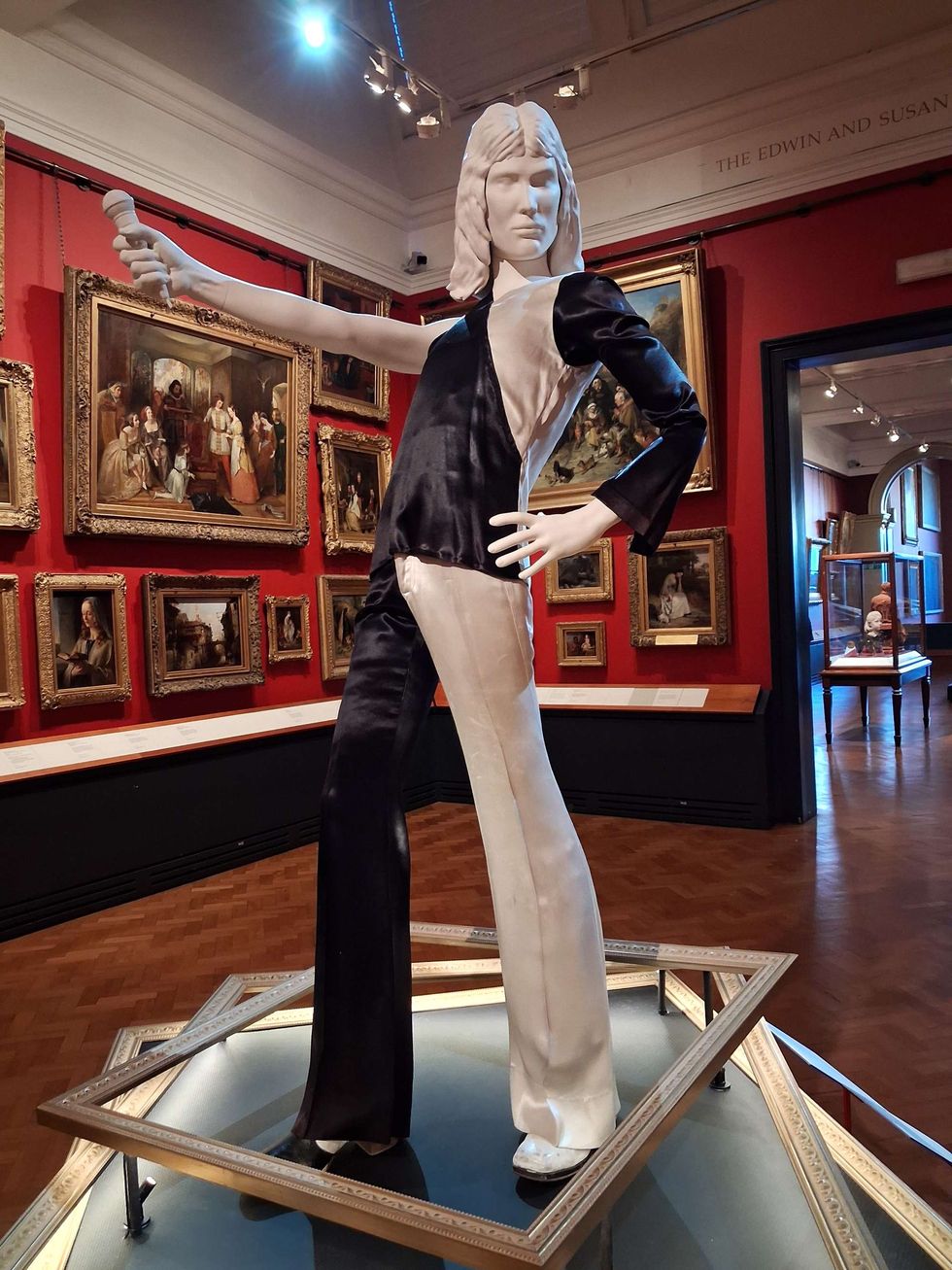 Ensemble worn for Imperial College gig in 1973Amit Roy
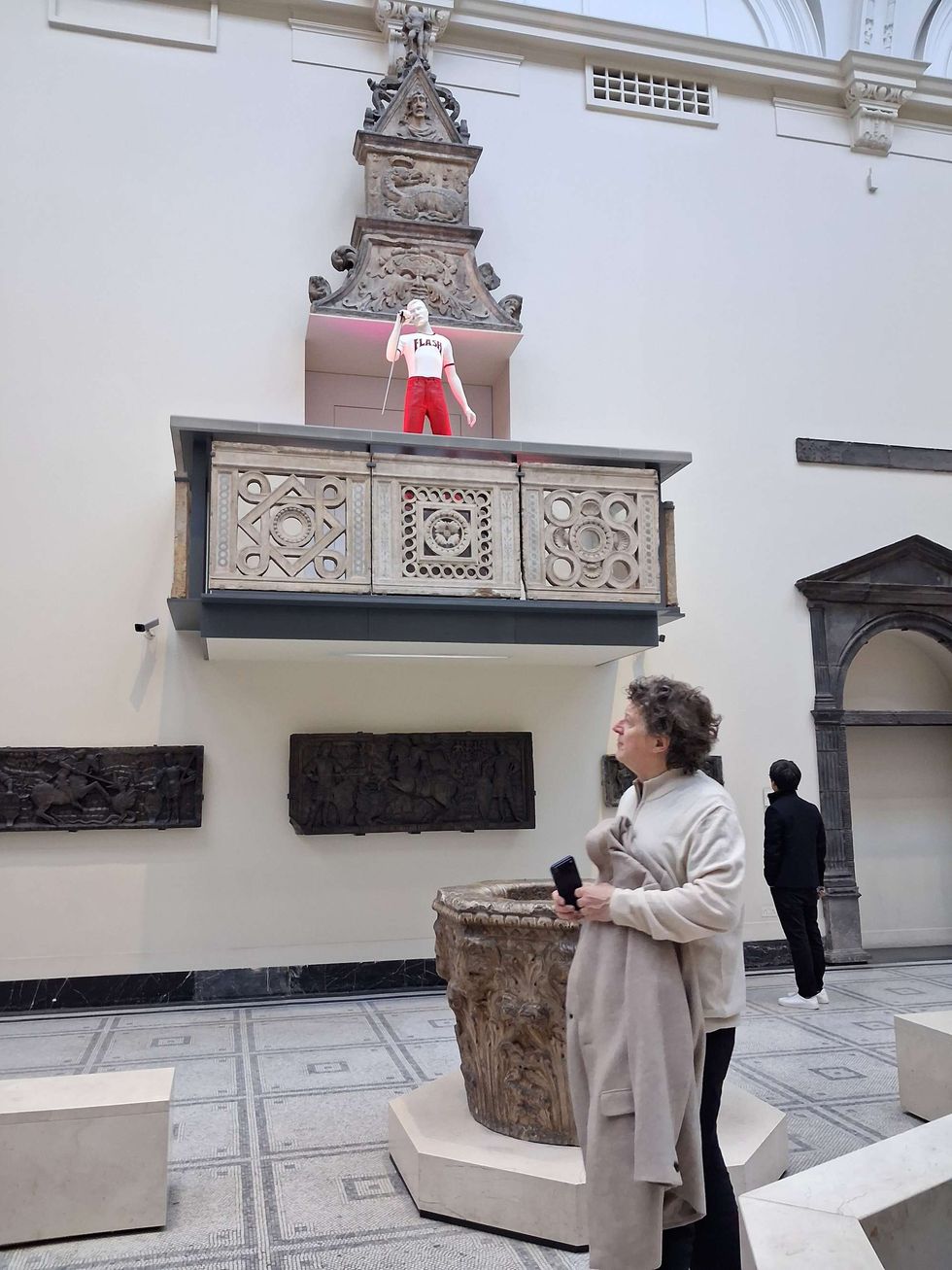 Flash ensemble and half mic (Flash Gordon 1980)Amit Roy
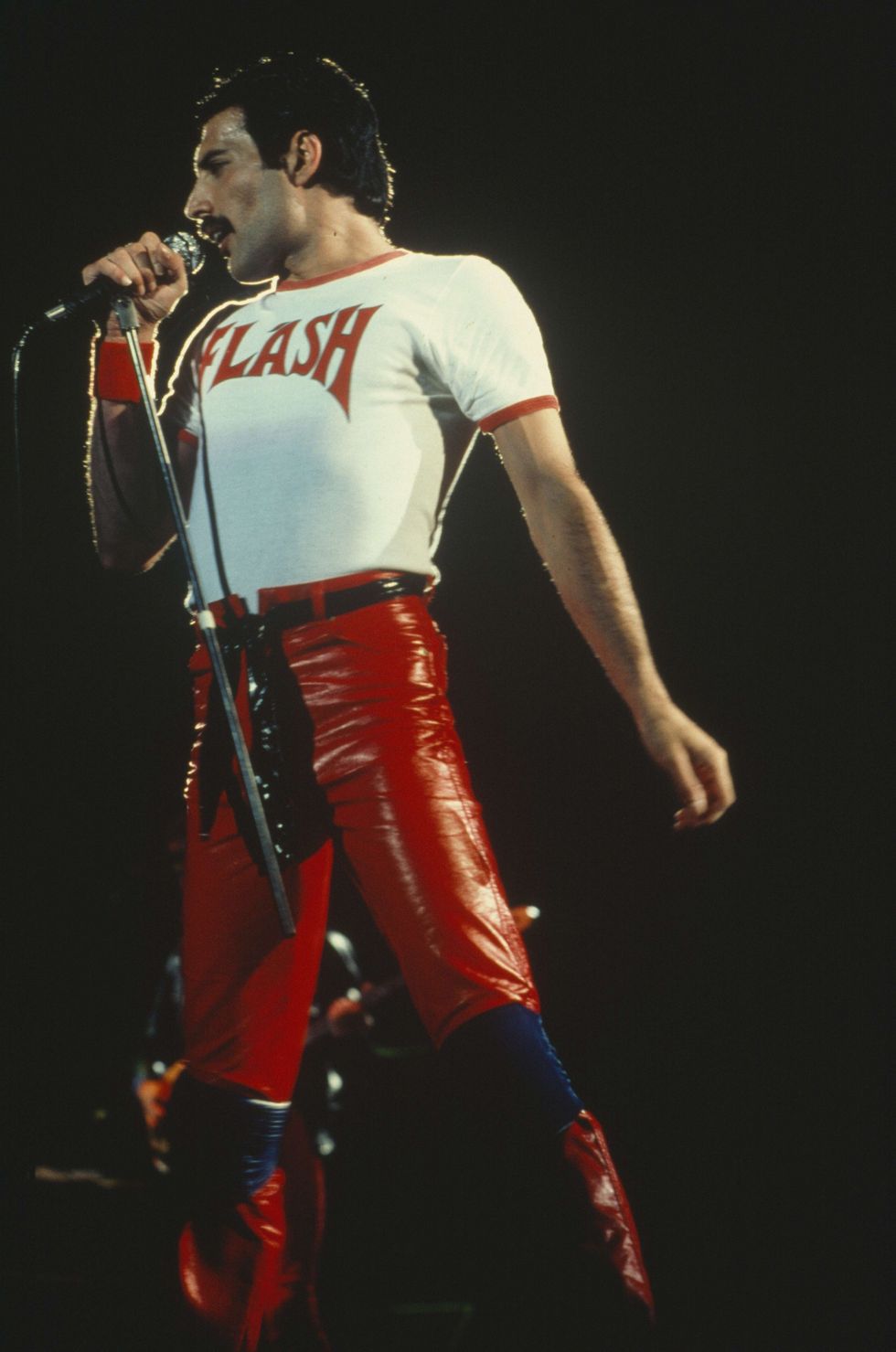 Freddie Mercury performs wearing a 'Flash' t-shirt at Sports Arena in San Diego, California, United States, on 5th July 1980David TanShinko Music/Getty Images
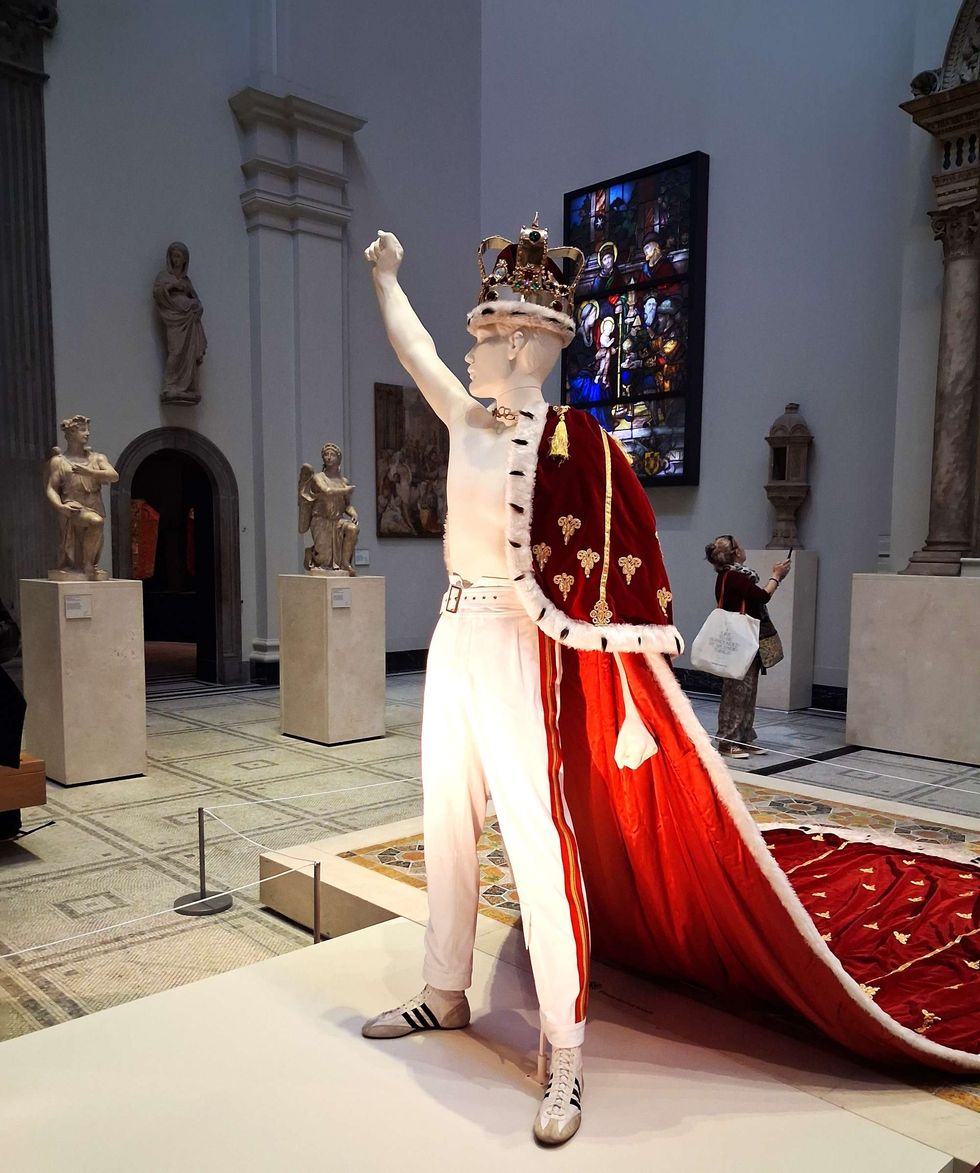 Cloal and crown ensembleAmit Roy
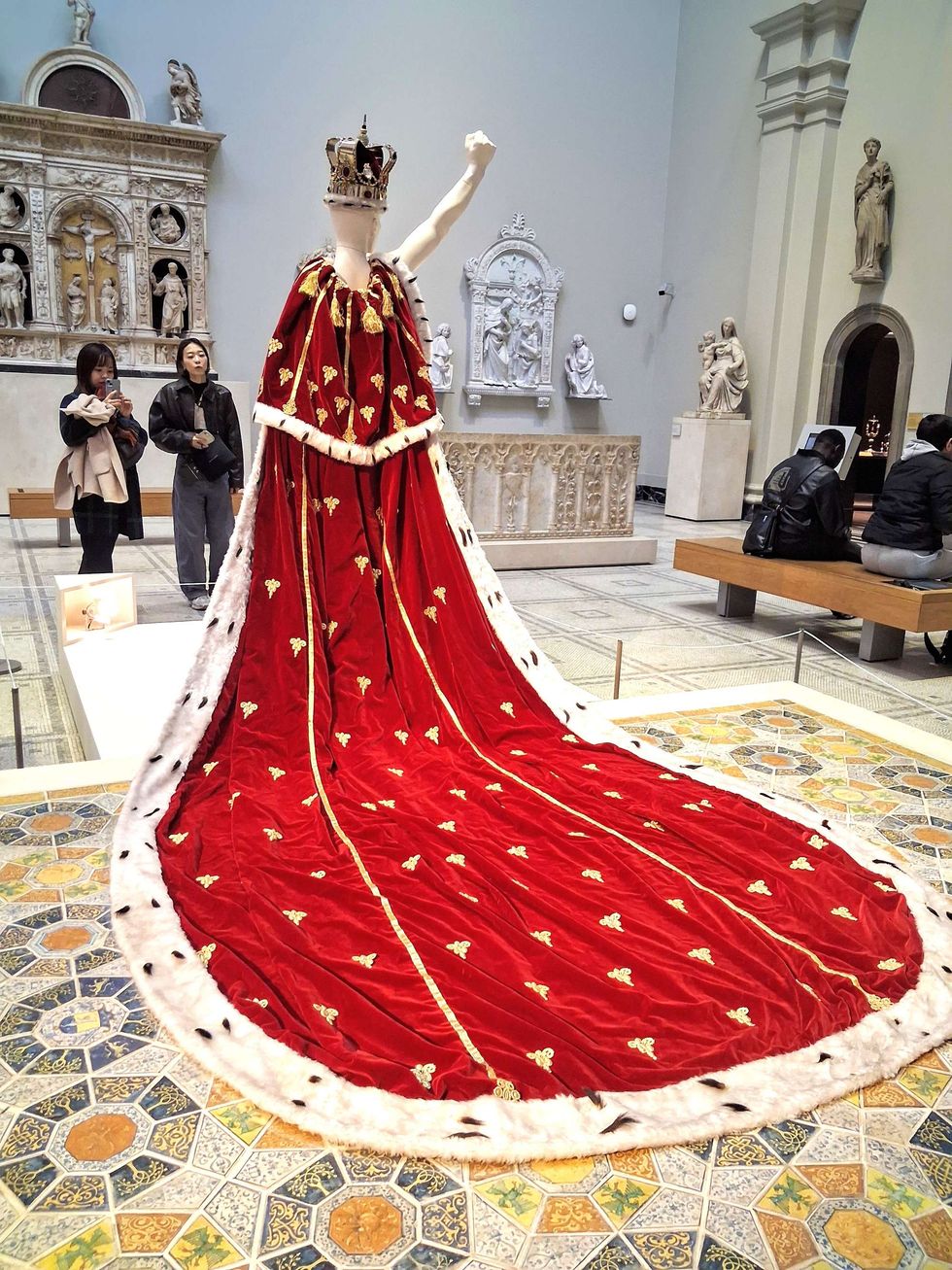 Cloak and crown ensemble (1986)Amit Roy
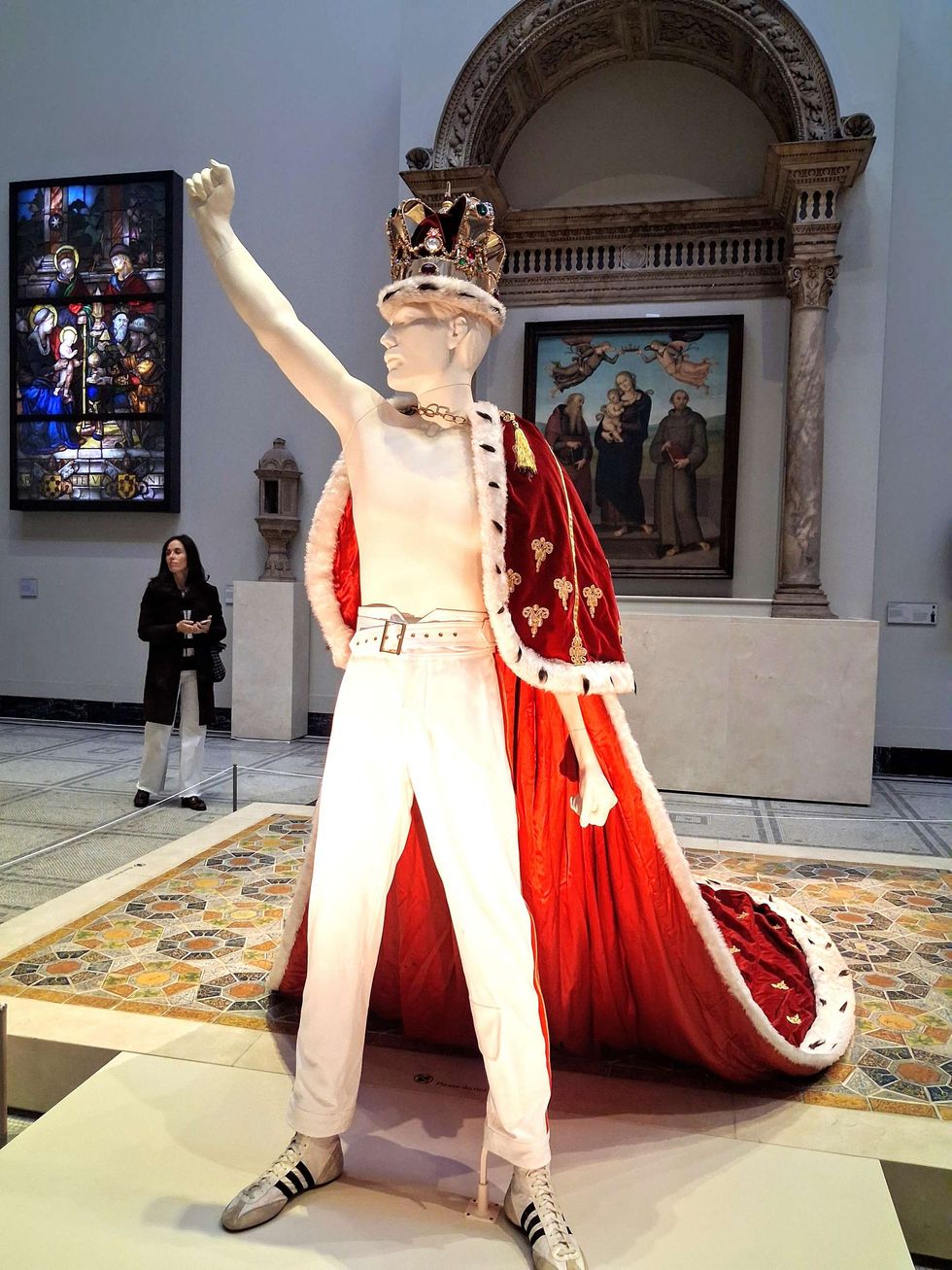 Cloak and crown ensemble (1986)Amit Roy
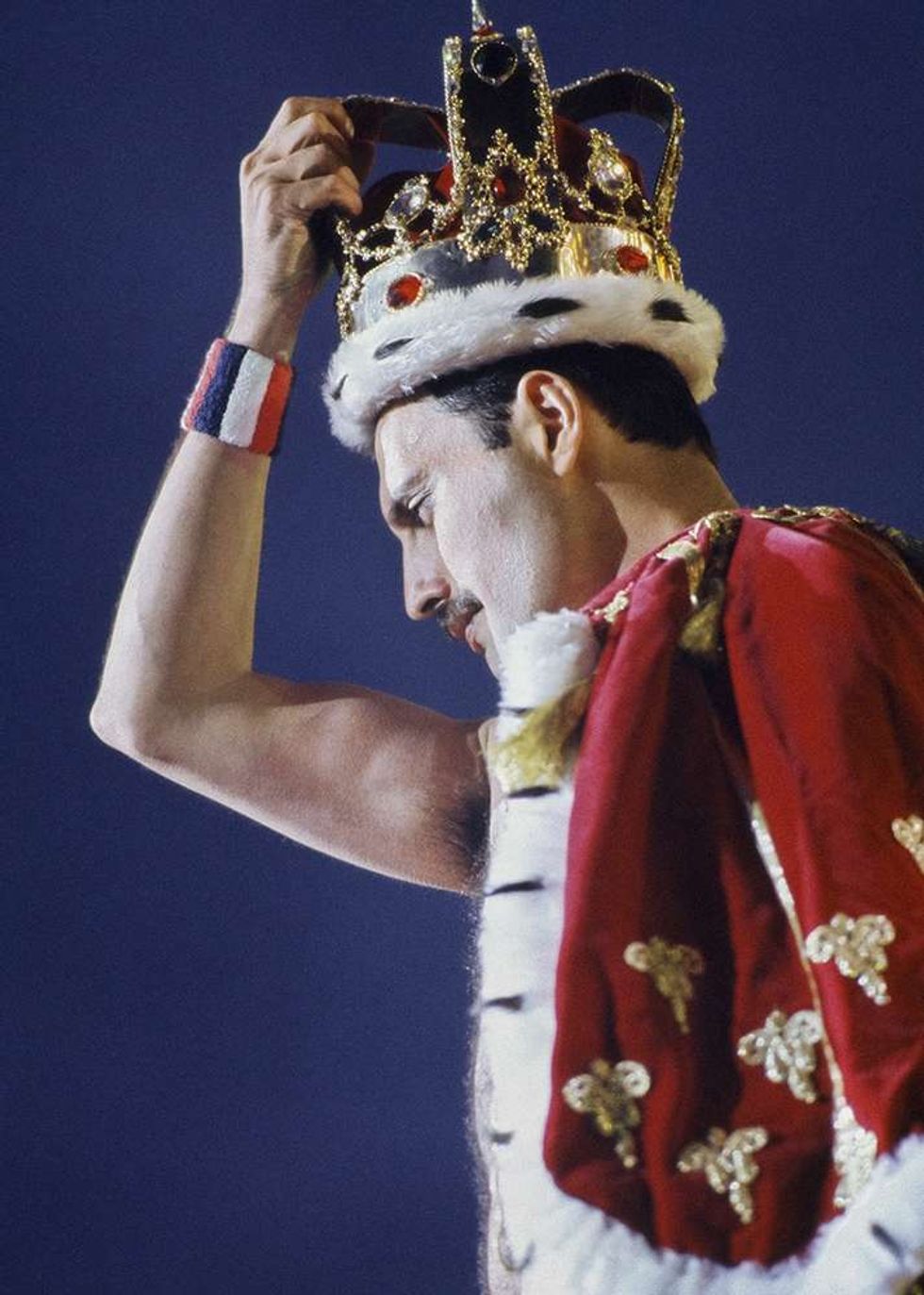 Freddie Mercury, Magic Tour (1986) Denis O’Regan