
Highlights
- 2,877 extra deaths recorded in England during May and June heatwaves.
- June saw 2,124 deaths following a rare red heat warning.
- 51.4 per cent of England has been declared in drought after the driest July on record is forecast.
- June’s temperature record was revised to 38C for both England and the UK.
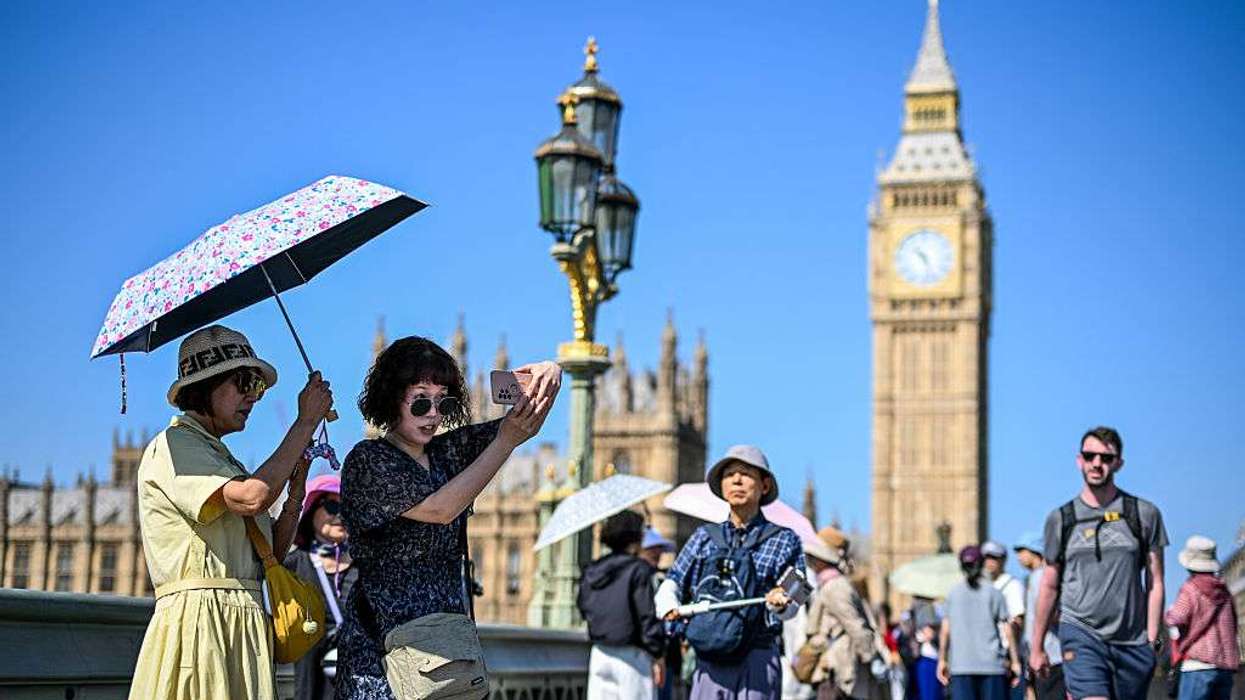
RECORD-BREAKING heatwaves in May and June caused an estimated 2,877 additional deaths in England, while prolonged hot and dry conditions have pushed more than half of the country into drought, officials said.
The UK Health Security Agency (UKHSA) said the number of heat-related deaths was almost double the total recorded during the whole of summer 2025, when 1,504 excess deaths were reported.
The agency on Thursday (30) warned that the figure, which does not include deaths linked to July’s prolonged heatwave, could rise further and that 2026 may record the highest number of heat-associated deaths on record.
Ross Thompson, principal environmental public health scientist at the UKHSA, said the figures showed the “significant danger that very hot weather can pose to people's health”.
“Communities and services need to prepare for hot weather from the start of summer, rather than just at its height,” the agency said.
The figures showed that 753 extra deaths occurred in May, while June recorded 2,124 deaths after the month saw a rare red heat warning. The data is calculated by comparing average deaths on days when temperatures exceeded 20C with cooler days.
Summer heat 'a growing impact'
Health secretary Yvette Cooper said the UK had traditionally seen higher illness rates during winter, but summer heat was now having a growing impact.
“We are seeing the summer heat have an increasingly serious impact on the health of thousands of people,” she said.
The health warning came as the Environment Agency declared 51.4 per cent of England officially in drought following record-low rainfall and exceptionally high temperatures.
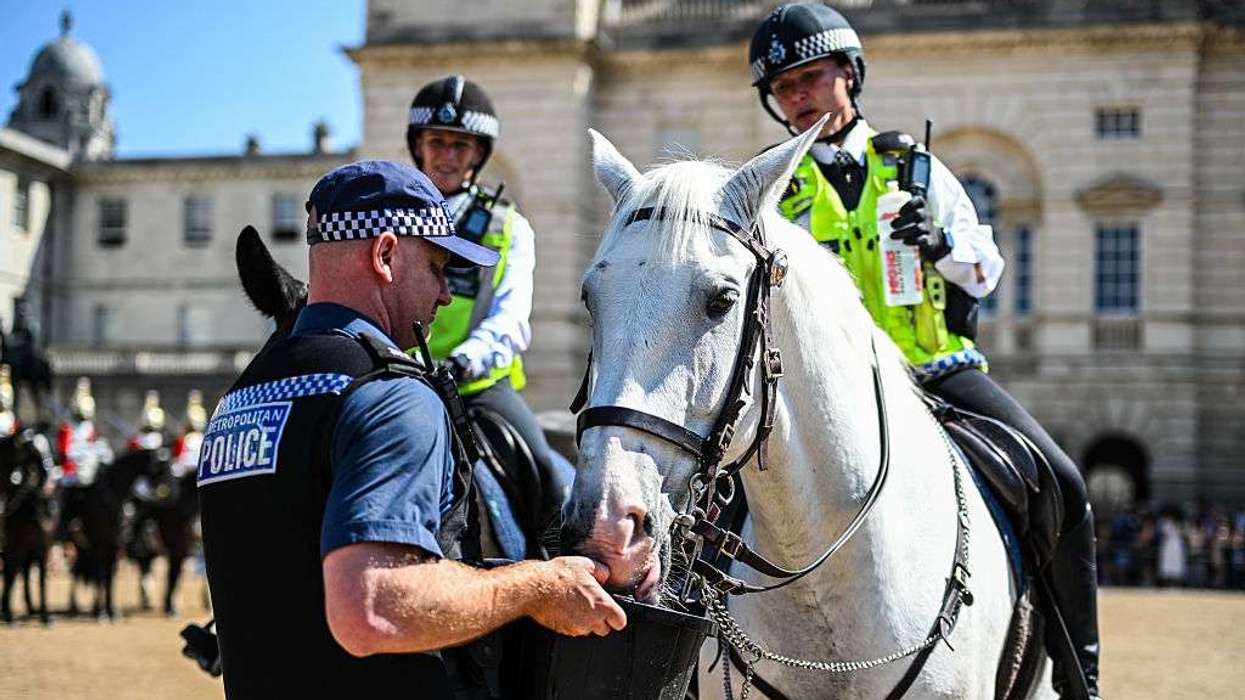 Police horses are given refreshments during the handover of The King's Life Guard on July 29, 2026 in London, England. (Photo by Ben Montgomery/Getty Images)
The drought affects seven areas, including London, East Anglia, southwest England and the West Midlands. The Environment Agency said the country was experiencing a “flash drought” caused by a combination of low rainfall and rising temperatures.
“Rivers are running low, farmers are having to harvest crops early, wildfire risk is increasing, and millions of people are living under restrictions on water use,” the agency said.
Helen Wakeham, director of water at the Environment Agency and chair of the National Drought Group, said: “The hot and dry weather means we are currently using water faster than nature can replenish it.”
“A second consecutive summer drought is an exceptionally serious situation and one that will have long-lasting impacts on our environment, wildlife, and the economy,” she added.
The Met Office also confirmed that June’s temperature record had been revised upwards, with both England and the UK recording a daily high of 38C.
The latest warnings come after the Climate Change Committee said last year that the UK was “not ready” to deal with the effects of climate change.
It estimated that 92 per cent of British homes could become too hot by 2050 and called for measures including workplace temperature limits and greater investment in cooling systems for public buildings.
(with inputs from agencies)