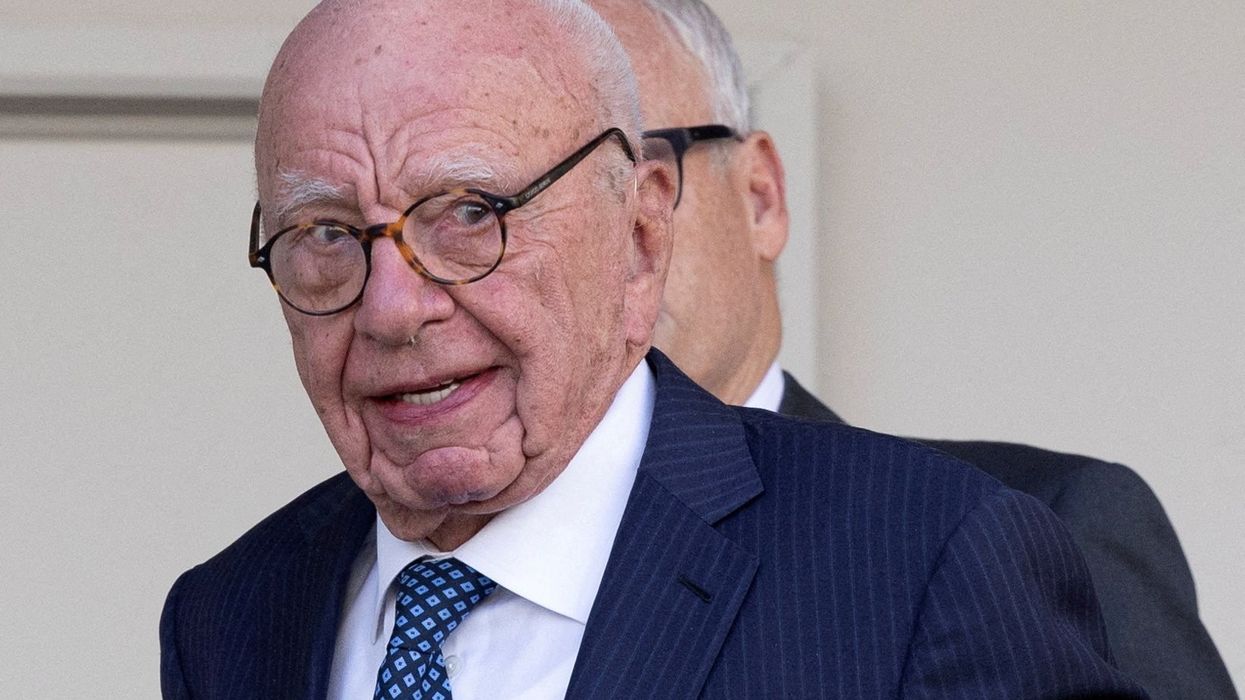
Britain crashing out of the European Union without a divorce deal would have disastrous consequences for companies and workers in Britain and across Europe, the head of the BDI German Federation of Industry said on Saturday (17).
Britain's prime minister Theresa May is fighting to defend a draft deal agreed with the EU but opposition from both within and outside her party has raised the possibility of a no-deal hard Brexit or even another referendum.
Dieter Kempf told Funke Mediengruppe newspaper chain that a no-deal Brexit would hit the automotive, aerospace, chemical, pharmaceutical, engineering and electrical industries particularly hard. But service industries including banking and tourism would also be affected.
"A hard Brexit would be disastrous," Kempf said, adding that German firms should prepare for a no-deal exit of Britain from the European Union.
"It would cause great difficulty for tens of thousands of companies and hundreds of thousands of workers on both sides of the English Channel," he said.
More than two years after the United Kingdom voted to leave the EU, it is still unclear how, on what terms or even if it will leave as planned on March 29, 2019.
Opponents of the agreement with the European Union, which still has to be approved by the British parliament, say it is the worst of both worlds, leaving the bloc with too much power over Britain while taking away its say in making the rules.
Kempf said German industry and government should brace for further uncertainty in coming months.
"I appeal to the lawmakers in the British parliament to be conscious of their responsibility," he said. "The ball is in London's court ... New negotiations are not the answer."
Reuters