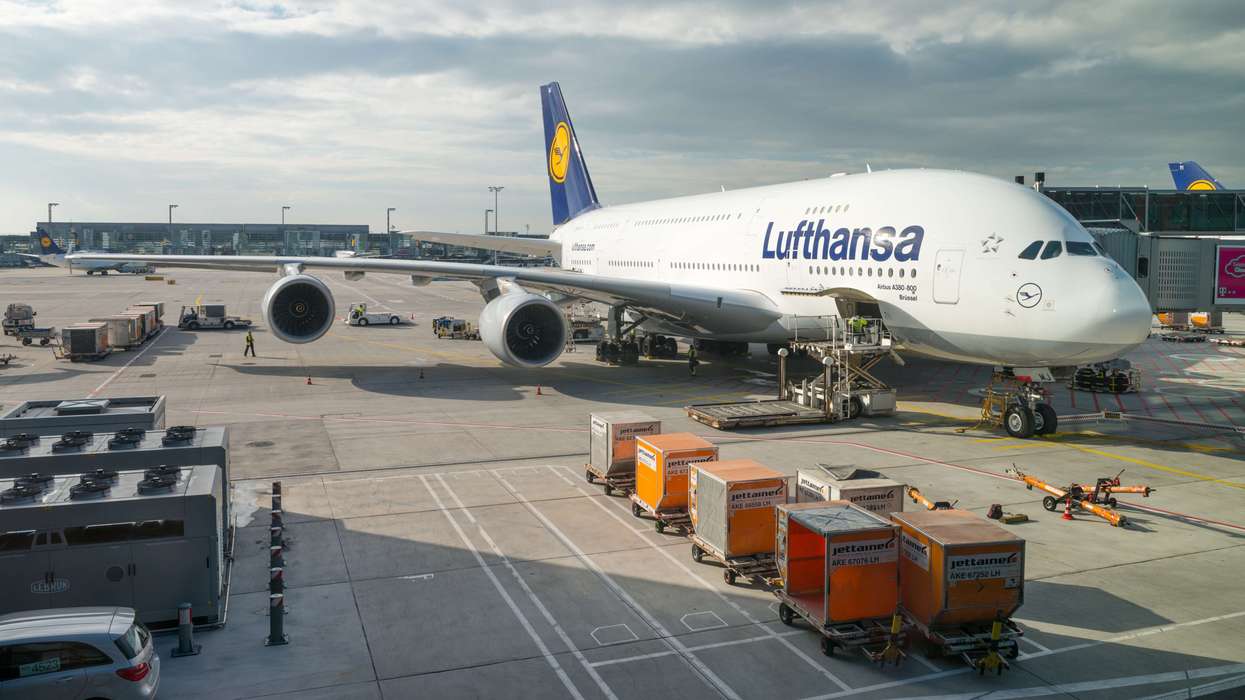

- Lufthansa faces its fifth strike this year amid pay and pension disputes.
- Hundreds of flights disrupted across major German hubs including Frankfurt and Munich.
- Dispute reflects wider tension between cost control and workforce demands in aviation.
Lufthansa is facing renewed disruption as pilots prepare to walk out for two days from April 13, marking the latest escalation in an ongoing dispute over pay and pensions.
The strike, called by the Vereinigung Cockpit union, is the fifth to hit the German airline group this year, underlining growing friction between staff expectations and the company’s cost strategy. The latest two-day strike is expected to affect multiple parts of the group, including regional carrier CityLine, low-cost subsidiary Eurowings and Lufthansa Cargo.
This widens the impact from passenger travel to freight operations, potentially affecting both travellers and supply chains. By extending across core airline services and key subsidiaries, the strike underlines how the dispute is no longer confined to a single unit, but is beginning to disrupt Lufthansa’s broader network.
Pilots across Lufthansa, Lufthansa Cargo and Lufthansa CityLine have been asked to strike from April 13, 0001 CET to April 14, 2359 CET, while Eurowings pilots are expected to join for a full day on April 13.
A standoff with little sign of resolution
The dispute centres on salary and pension demands, with union leaders indicating that negotiations have made little progress.
Andreas Pinheiro, president of the Vereinigung Cockpit union, reportedly said the union felt “compelled” to act after the employer side showed no real willingness to reach a solution.
The airline, however, has taken a firm position. Lufthansa has described the demands, particularly around pensions, as excessive and unachievable, reportedly calling the proposals to expand an already strong pension scheme unrealistic.
The gap between both sides appears wide, with neither signalling a compromise in the near term. The latest strike also follows recent industrial action by cabin crew, suggesting tensions are not limited to one part of the workforce.
Disruption spreads across key hubs
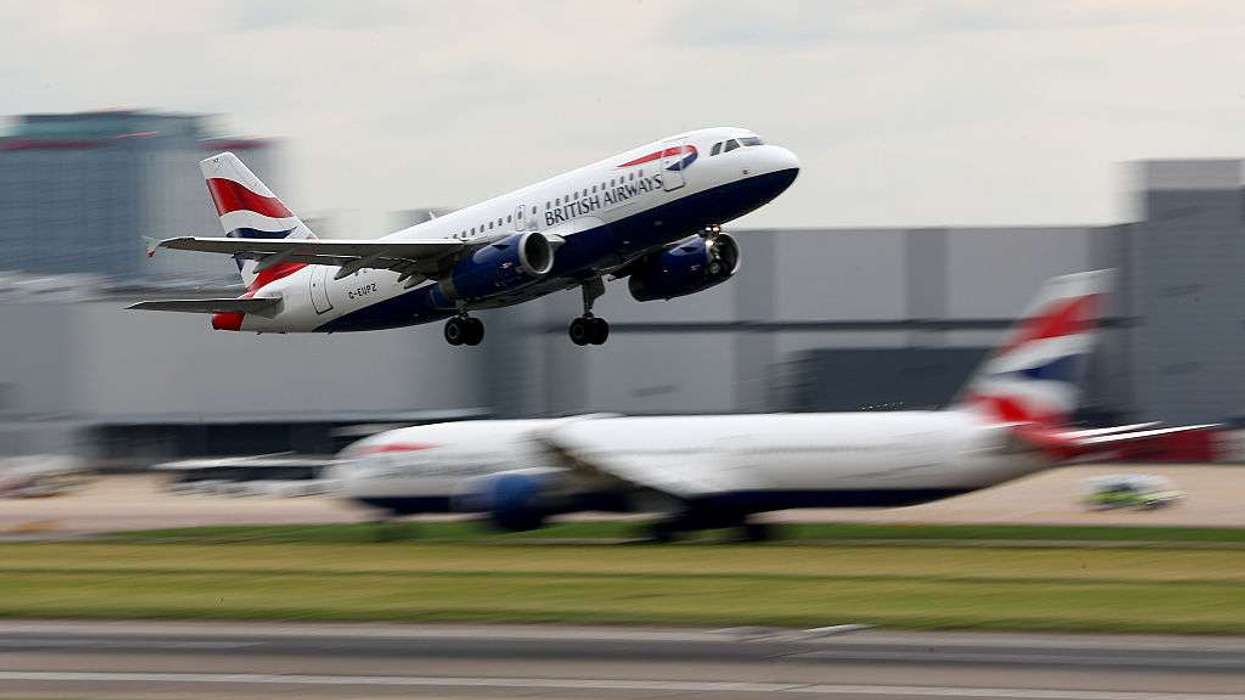
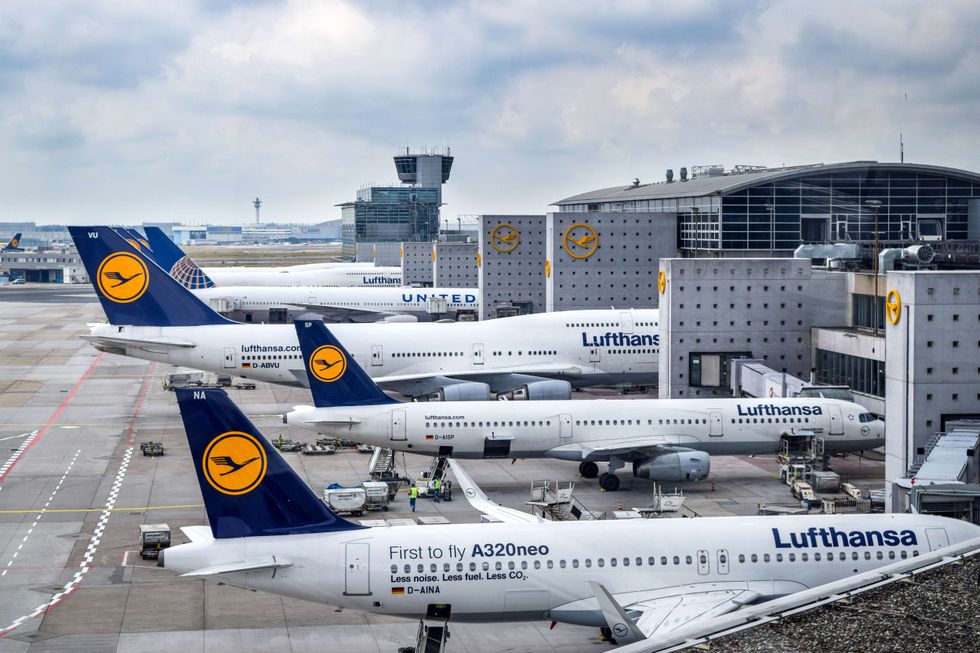 Lufthansa strikeiStock
The immediate impact is being felt across Lufthansa’s network.
Hundreds of flights have already been cancelled, with major hubs such as Frankfurt, Munich, Berlin, Stuttgart and Leipzig affected. In Frankfurt alone, around 75 per cent of scheduled Lufthansa departures were cancelled during earlier strike action linked to cabin crew.
Passengers have been left scrambling to rebook flights, with some reporting delays and difficulty accessing support. Social media posts indicate mixed experiences, with some travellers managing rebookings smoothly, while others faced issues contacting customer service or incurring additional costs.
Despite the disruption, flights to certain destinations in the Middle East are expected to continue, as the union has excluded routes to countries including the United Arab Emirates, Saudi Arabia, Qatar and Israel due to the ongoing geopolitical situation.
A wider cost versus workforce tension
Beyond the immediate disruption, the repeated strikes point to a broader issue within the aviation sector.
Airlines are under pressure to control costs following years of disruption and rising operational expenses. At the same time, employees are pushing for better pay, improved pensions and stronger working conditions.
This tension is becoming more visible as industrial action increases. Lufthansa’s fifth strike this year reflects a pattern rather than an isolated dispute, raising questions about how sustainable current labour relations are in the sector.
Airlines are trying to maintain tighter cost structures after years of pandemic losses, higher fuel prices and operational disruptions. At the same time, employees are pushing for better pay, stronger pension commitments and improved working conditions, particularly as travel demand recovers and workloads increase.
The result is a growing mismatch between what airlines say they can afford and what workers believe reflects current market conditions. Repeated strikes at carriers such as Lufthansa suggest that existing negotiation frameworks may be struggling to keep pace with these pressures, increasing the likelihood of further disruptions if agreements are not reached more quickly.
For passengers, the result is growing uncertainty around travel plans. For airlines, it highlights the challenge of balancing financial discipline with workforce expectations.
As negotiations continue, the standoff at Lufthansa may offer a wider indication of how labour dynamics in aviation are evolving, particularly as demand for travel remains strong but cost pressures persist.