
By Amit Roy
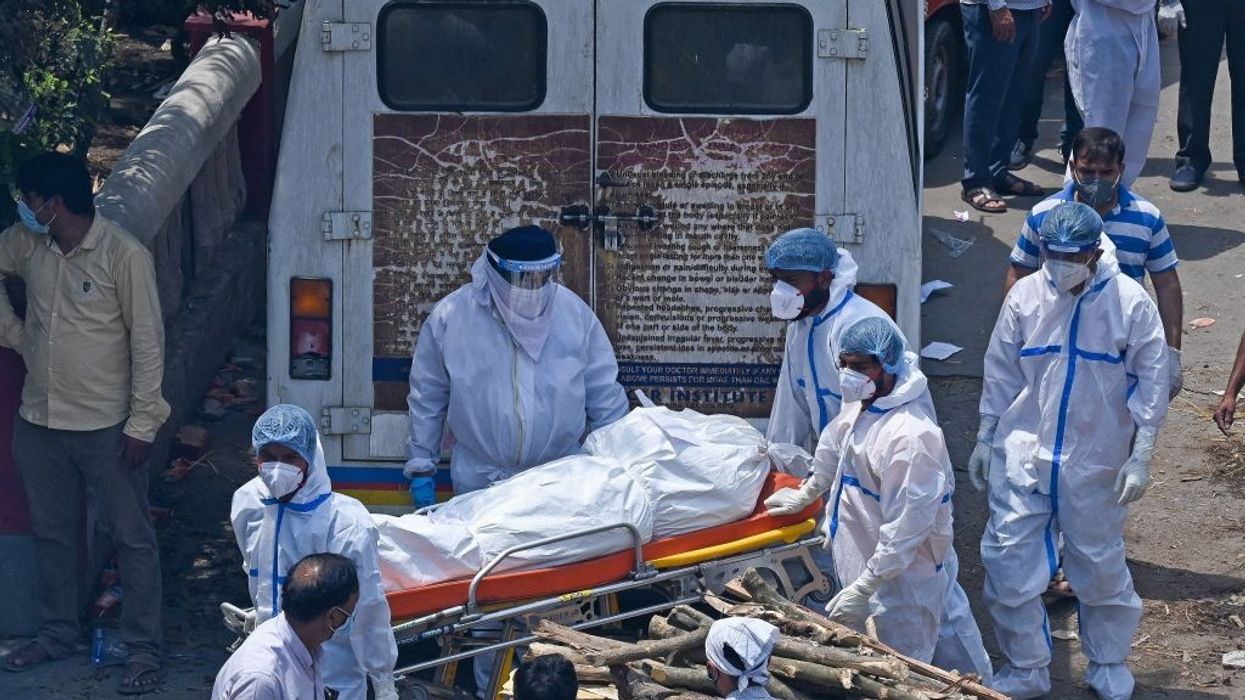
THE images of cremation grounds all over India show the country is burning – literally – during the current pandemic in the country. The crisis has redefined the idea of what is home.
Many still tend to think of India as the “mother country”. For me, one comment stood out from a returning Indian who managed to beat last Friday’s (23) 4am deadline before India was placed on the “red list”.
He told Radio 4’s Today after landing at Heathrow: “I feel like kissing the ground.”
I thought about his throwaway remark which reinforces the notion that India is a country that Indians settled in the UK visit for weddings, family occasions, business and emergencies when elderly parents are taken ill, but Britain is now “home”.
From now on Indian nationals are banned from coming to the UK until the country is taken off the red list. Indians who are British nationals or have residence rights are allowed to return, but have to quarantine in a hotel at a cost of nearly £2,000.
Airlines have clearly been profiteering during this period.
Biju Mathew, a social services manager from Walsall who was in India visiting family, said he had to get back to work. He packed within half an hour without saying a proper goodbye to his parents so he could beat the deadline. “Eventually, a friend in the UK managed to book me a ticket from Mumbai to Manchester,” said Biju, who had to fork out £2,000 for the one-way flight.
The UK government should certainly introduce a concession for students.
Rohish Mirje, 23, has a flight booked to the UK next Tuesday (4) to complete his master’s degree at Warwick University. He had returned home to Sangli in Maharashtra from Coventry at Christmas, but after paying more than £30,000 in tuition and accommodation fees, he is now faced with having to fork out £1,700 to quarantine in the UK.
He said: “I would urge the UK to give us a discount or exemption on this, or even make a strict rule that we quarantine in hostels or accommodation.
“This is affecting thousands of students in India and we are not coming for tourism, we are here for education. When I heard about the travel ban it was like all the dreams were scattering. It’s been a difficult time for us.”

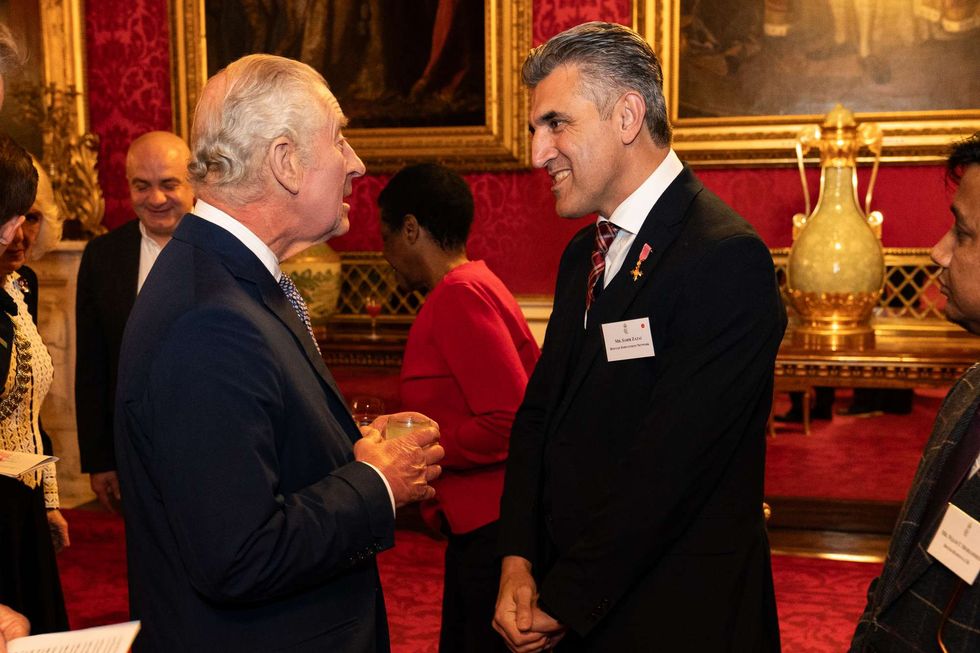 Sabir Zazai (right) speaks with King Charles III during a reception at Buckingham Palace to recognise the UK's contribution to humanitarian efforts across the world and to mark 60 years of the Disasters Emergency Committee on November 8, 2023 in London, England.Getty Images