
THE UK government has pledged additional funding to increase the number of sitting days for judges in an effort to address the growing backlog of criminal cases in Crown Courts across England and Wales.
The Ministry of Justice (MoJ) announced that the total number of sitting days would rise to 110,000 in the next financial year, up from 108,000, BBC reported.
The backlog of unresolved prosecutions currently stands at 73,000 and is expected to grow.
Some courts are already scheduling trials into 2028, with defendants being held on remand reaching a record 17,000, accounting for one-fifth of prison spaces.
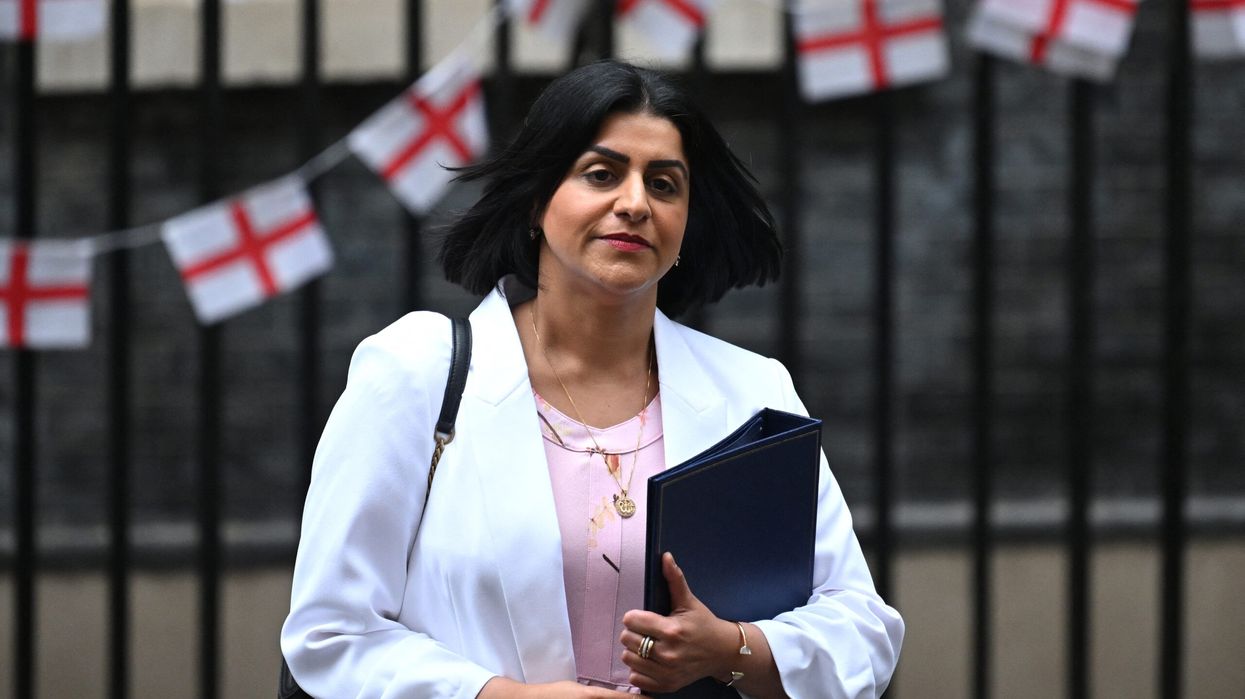
Justice secretary Shabana Mahmood acknowledged that the additional sitting days would not be sufficient to clear the backlog.
"The sheer number of cases coming into the system means that the demand is very high, and the backlog, without further policy change, is still going to rise," she told BBC Radio’s Today programme.
Victims Commissioner Baroness Newlove warned that delays were causing severe distress, with some victims turning to drugs, alcohol, or self-harm.
She urged the government to reconsider planned cuts to victim support services, stating, "With funding cuts looming, we face the very real threat of reduced support."
A parliamentary report also criticised the government's handling of court delays. Sir Geoffrey Clifton-Brown, chair of the Public Accounts Committee, called the situation "a terrible indictment of our criminal justice system" and urged urgent reform.
Mary Prior KC, chair of the Criminal Bar Association, called for uncapped sitting days for at least five years.
Defence barrister Joanna Hardy-Susskind warned that while the extra days were a step forward, they were only a short-term solution.