
TO counter China’s growing reach, G7 leaders have adopted a plan to support lower-and middle-income countries in building better infrastructure.
US president Joe Biden said he wanted the US-backed Build Back Better World (B3W) plan to be a higher-quality alternative to a similar Chinese programme.
China's Belt and Road Initiative (BRI) has helped finance trains, roads, and ports in many countries. However, the programme has been criticised for burdening some with debt.
The US has been particularly critical of China's so-called "debt diplomacy".
Meanwhile, the US officials insisted the new plan is about presenting a positive alternative for the world.
In a statement, the G7 leaders said they would offer a "values-driven, high-standard and transparent" partnership.
However, details of how the global infrastructure plan will be financed remained unclear.
German chancellor Angela Merkel said the group was not yet at a stage to release financing for its initiative.
The G7 members also committed to a new plan to stop future pandemics.
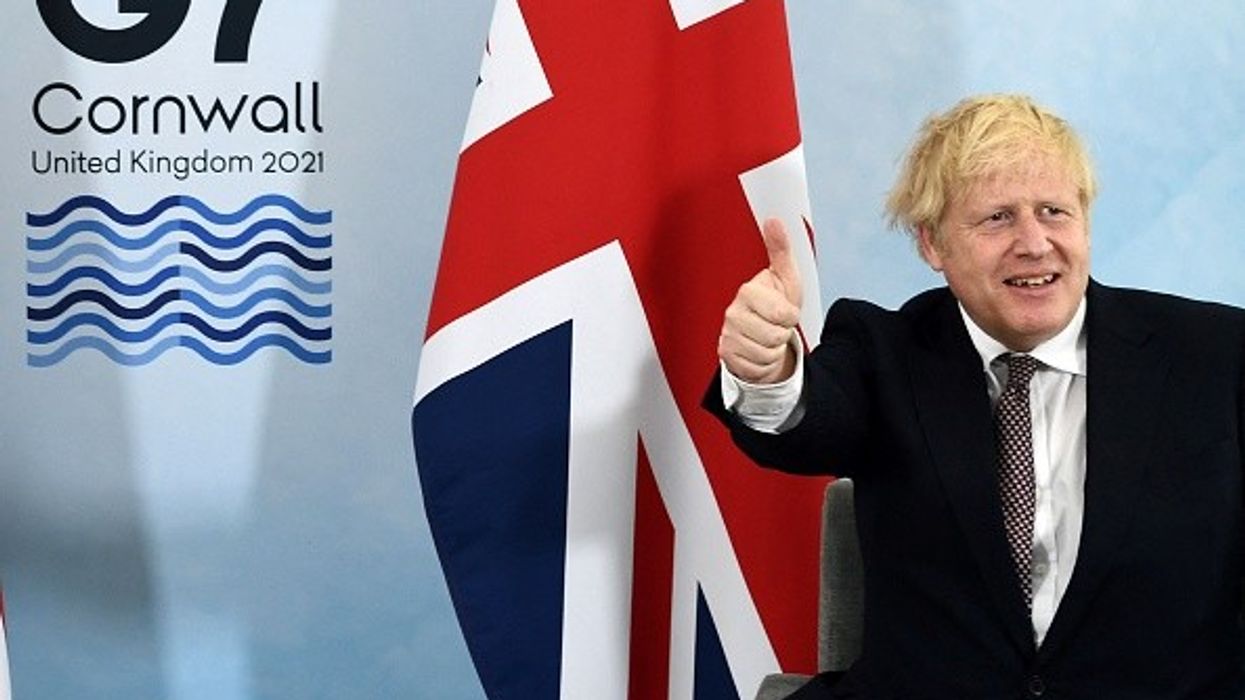
UK prime minister Boris Johnson hosted the three-day summit at the seaside resort of Carbis Bay in Cornwall.